West Virginia Public Transportation Crisis: Job Access Limited by Funding Cuts
West Virginia's public transportation struggles hinder job access. Learn about funding cuts, service limitations, and the impact on residents and the economy.



West Virginia's public transportation struggles hinder job access. Learn about funding cuts, service limitations, and the impact on residents and the economy.
West Virginia faces a persistent challenge: inadequate public transportation. This issue significantly impacts residents' ability to access jobs and essential services. Recent funding shortfalls have forced service cuts, exacerbating the problem, particularly in areas like Kanawha County.
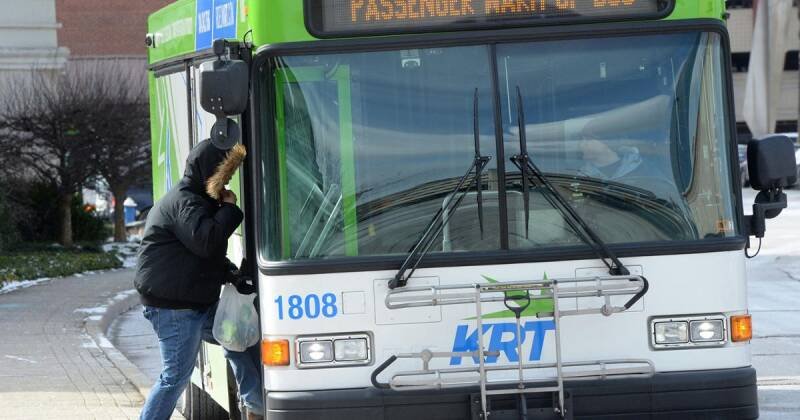
The Kanawha Valley Regional Transportation Authority (KRT), a crucial public transit provider in Kanawha County, has been forced to make tough choices. Due to financial constraints, the KRT system recently eliminated several routes and completely discontinued Sunday service. This reduces transportation options for residents, particularly those who rely on public transit to get to work, appointments, and other essential activities.
This isn't just about bus routes. The lack of reliable public transportation has far-reaching consequences for West Virginia:
In our opinion, West Virginia's ongoing struggle with public transportation highlights a systemic failure to prioritize infrastructure investment. The state's reliance on dwindling resources, coupled with a lack of dedicated funding streams for public transit, has created a vicious cycle of service cuts and diminished access. The failure of lawmakers to address this issue perpetuates economic hardship and limits opportunities for many West Virginians. This could impact West Virginia's ability to grow it's economy and improve the lives of its citizens.
The KRT cuts are a symptom of a larger problem. Without stable funding, transit agencies are forced to make difficult decisions that negatively impact the communities they serve. A proactive approach, involving dedicated funding sources, innovative solutions, and collaboration between state and local governments, is essential to address this challenge.
The future of public transportation in West Virginia is uncertain. Several factors will play a crucial role:
Without significant changes, the current trend of service cuts and limited access is likely to continue. This will further hinder economic development, limit job opportunities, and disproportionately impact vulnerable populations. In our view, a renewed commitment to public transportation is essential for creating a more equitable and prosperous future for West Virginia.