Wells Gray SAR Trainees Sharpen Skills with Solo Overnight in Clearwater Woods
Wells Gray Search and Rescue trainees completed a solo overnight camping exercise in Clearwater woods as part of their certification. Learn why this training is vital and what it means for the future of search and rescue operations.
Wells Gray SAR Trainees Sharpen Skills with Solo Overnight in Clearwater Woods
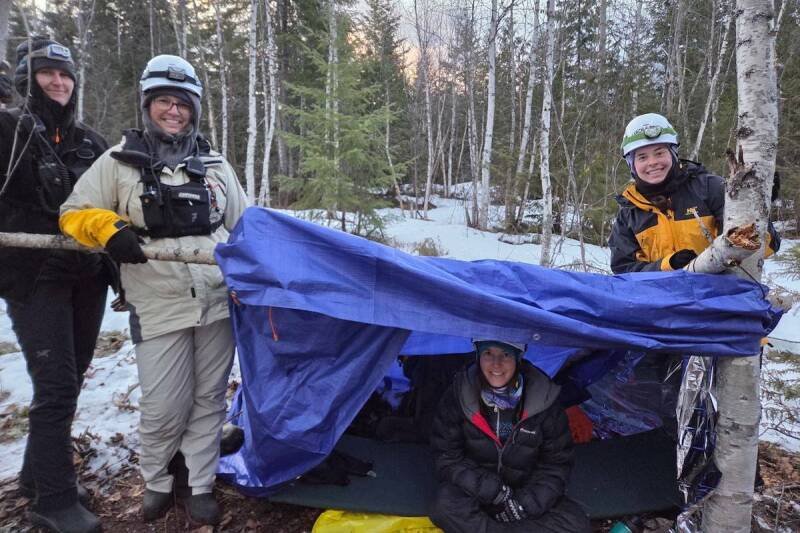
Aspiring members of the Wells Gray Search and Rescue (SAR) team recently completed a crucial component of their certification process: a solo overnight camping experience in the rugged Clearwater woods. This exercise, designed to test their wilderness survival skills and self-reliance, marks a significant step towards becoming fully qualified search and rescue professionals.
The Solo Overnight: A Test of Resilience
The solo overnight isn't just about pitching a tent. It's a demanding test of a trainee's ability to handle the pressures of being alone in the wilderness, relying on their knowledge and skills to navigate, stay warm, find water, and handle unexpected situations. This experience helps them understand the challenges faced by missing persons, fostering empathy and enhancing their ability to effectively conduct searches.
Each trainee was equipped with essential survival gear and tasked with selecting a campsite, building a shelter, and managing their resources throughout the night. The exercise emphasized self-sufficiency and problem-solving in a challenging environment, vital attributes for any SAR team member.
Why This News Matters
The effectiveness of any Search and Rescue team hinges on the quality of its training. Regular and realistic exercises, like this solo overnight, are essential for ensuring that SAR personnel are prepared to handle real-world emergencies. By pushing trainees to their limits in a controlled environment, the Wells Gray SAR team is building a cadre of skilled and confident responders.
This commitment to rigorous training directly translates into improved search and rescue outcomes. Better-trained SAR teams can conduct more efficient searches, provide more effective medical assistance, and ultimately, increase the chances of finding missing persons alive.
Our Analysis
In our opinion, the Wells Gray SAR team is demonstrating a best-practice approach to training its members. The solo overnight exercise is a particularly valuable tool for developing the mental fortitude and resourcefulness required in challenging search and rescue operations. The commitment to practical, hands-on training underscores the team's dedication to serving the community.
This type of training also highlights the demanding nature of SAR work. It's not just about physical fitness; it requires a combination of technical skills, problem-solving abilities, and the ability to remain calm and focused under pressure. The solo overnight serves as a powerful reminder of the challenges faced by both SAR personnel and the individuals they are trying to rescue.
Future Outlook
The successful completion of this training exercise bodes well for the future of the Wells Gray SAR team. These newly certified members will contribute to the team's overall capabilities, enhancing its ability to respond to emergencies effectively. This could impact the wider community through a more skilled and experienced SAR team.
Moving forward, it's crucial that SAR teams continue to invest in realistic and challenging training scenarios. Adapting training programs to incorporate new technologies and evolving search techniques will be essential for maintaining a high level of preparedness. Furthermore, fostering a culture of continuous learning and professional development within SAR teams will ensure they remain at the forefront of emergency response.
The Ripple Effect of Quality Training
The benefits of well-trained SAR teams extend beyond the immediate rescue operations. A strong and reliable SAR capability can contribute to increased tourism and recreational activities in wilderness areas. People are more likely to venture into the backcountry knowing that a skilled rescue team is available if needed. Therefore, investing in SAR training is an investment in the economic and social well-being of the region. These trainings are vital for all Search and Rescue teams.
Ultimately, the commitment of the Wells Gray SAR team to rigorous training serves as an example for other SAR organizations and highlights the importance of investing in the skills and knowledge of those who dedicate themselves to saving lives.