Virginia Tech Softball Star Bre Warren Fights NCAA in Court for Playing Eligibility
Virginia Tech softball outfielder Bre Warren is battling the NCAA in court for the right to play this season. Learn about the case, the potential impact, and the future outlook.
Virginia Tech Softball Star Bre Warren Takes on the NCAA in Court
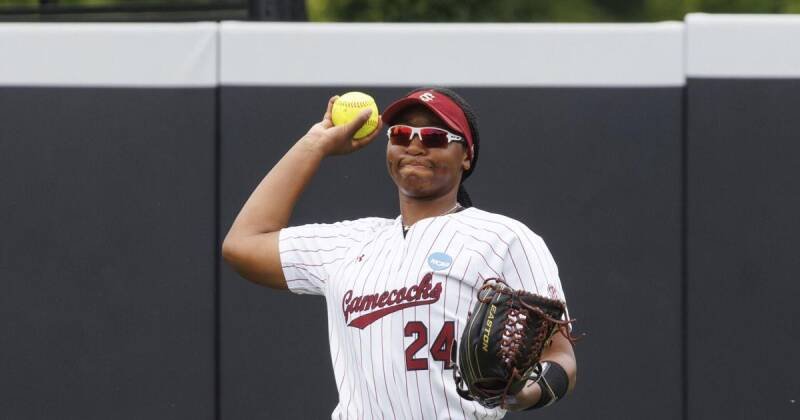
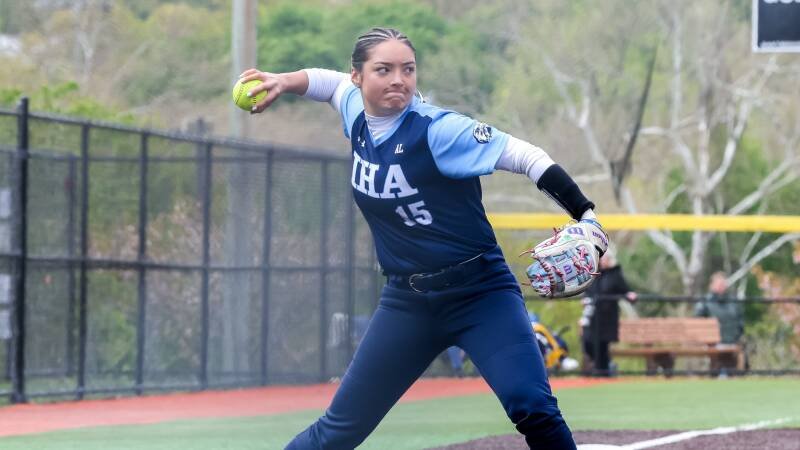
Bre Warren, a talented outfielder for the Virginia Tech Hokies softball team, is locked in a legal battle with the National Collegiate Athletic Association (NCAA). Warren has filed a motion in Montgomery County Circuit Court, hoping to gain eligibility to play for Virginia Tech this season. The core of the dispute lies in the NCAA's transfer rules and their application to Warren's specific situation.
The Core of the Conflict: NCAA Transfer Rules
The NCAA has strict regulations governing when and how student-athletes can transfer between universities and maintain their eligibility to compete. These rules are designed to prevent the rampant poaching of players and maintain competitive balance. However, critics argue that they can be overly restrictive and unfair to athletes in certain circumstances. Warren is challenging how these rules apply to her case.
The exact details of Warren's case haven't been widely published, but it likely revolves around whether she meets the NCAA's criteria for a waiver that would allow her to play immediately despite transferring. These waivers are often granted in cases involving extenuating circumstances, such as family hardship or documented issues with the previous school.
Why This News Matters
This case is significant for several reasons:
- Impact on Student-Athletes: It highlights the ongoing tension between the NCAA's rules and the individual rights of student-athletes. If Warren wins, it could set a precedent for other athletes seeking waivers from transfer restrictions.
- Scrutiny of NCAA Practices: It adds to the growing scrutiny of the NCAA's policies and procedures, particularly concerning player eligibility and transfer rules. These policies have been under fire for years, with many arguing that they prioritize the NCAA's interests over the well-being of the athletes.
- Local Interest: It's a matter of great interest for Virginia Tech fans and the wider Blacksburg community who are eager to see Warren contribute to the team's success.
Our Analysis
In our opinion, this case underscores the complexities of college athletics. While the NCAA has a legitimate interest in maintaining fair competition, it must also ensure that its rules are applied equitably and do not unduly burden student-athletes.
The increasing frequency of these legal challenges suggests a growing dissatisfaction with the NCAA's current system. The Warren case is just one example of athletes pushing back against what they perceive as unfair or arbitrary restrictions. We believe this case brings further attention to the need for reform. It’s difficult to predict the outcome without knowing the specifics of Warren’s motion. However, we can say with confidence that her decision to fight for her eligibility in court is courageous and could impact other athletes facing similar situations. College sports is also a business, so revenue generated would be impacted if rules are not in place.
Future Outlook
The outcome of Warren's case is uncertain. The court will need to carefully consider the NCAA's rules, the specific circumstances of Warren's transfer, and the potential impact of its decision on future cases.
Potential Outcomes:
- Warren Wins: She would gain immediate eligibility to play for Virginia Tech this season. This would boost the Hokies' softball team and could encourage other athletes to challenge NCAA eligibility decisions.
- NCAA Wins: Warren would likely be forced to sit out a year before becoming eligible to play. This would be a setback for her and the Virginia Tech softball program, and would reinforce the NCAA's authority in these matters.
This case could impact the ongoing debate about athlete rights and the future of college sports. As student-athletes gain more power and visibility, the NCAA will likely face increased pressure to reform its rules and address concerns about fairness and equity.
Regardless of the immediate outcome, Bre Warren's decision to take on the NCAA will undoubtedly contribute to this evolving landscape. The case is a reminder that student-athletes are increasingly willing to fight for their rights and challenge the status quo in college athletics.