Viktor Orbán Defeated: What the Hungarian Election Result Means for Europe
Viktor Orbán's Fidesz party loses election to Péter Magyar's Tisza party in Hungary. Learn what this means for Hungary, the EU, and democracy in Europe.
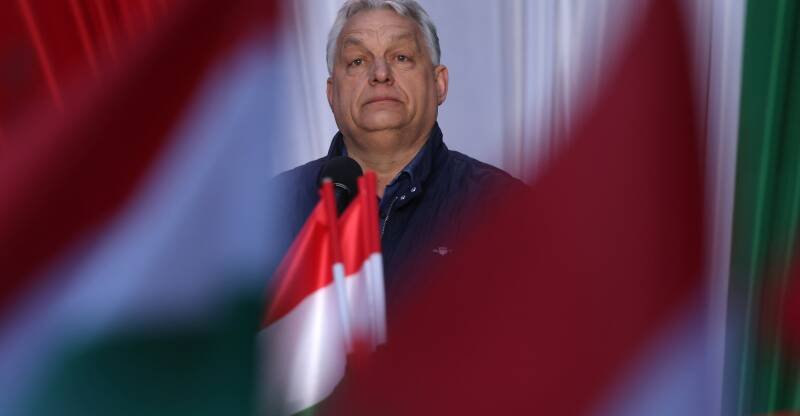



Viktor Orbán's Fidesz party loses election to Péter Magyar's Tisza party in Hungary. Learn what this means for Hungary, the EU, and democracy in Europe.
In a stunning turn of events, Viktor Orbán, Hungary's long-standing Prime Minister and a figure often described as the EU's only autocrat, has faced a significant setback. Sunday's election results show that the newly formed Tisza party, led by Péter Magyar, has made substantial gains against Orbán's ruling Fidesz party. This marks the first time in two decades that Fidesz has suffered such a defeat in a major election. Orbán reportedly conceded the race to Magyar shortly after the polls closed.
While initial reports suggest a clear victory for the Tisza party in specific races, the full picture of the political shift is still unfolding. The quick concession by Orbán, however, signals a significant acknowledgement of the changing political landscape in Hungary.
This election result carries immense weight, not just for Hungary, but for the entire European Union. Orbán's leadership has been marked by controversial policies and a tense relationship with the EU, often clashing over issues of democratic values, rule of law, and immigration. A weakened Orbán could potentially reshape the dynamics within the EU and alter Hungary's trajectory.
This could impact policies related to:
In our opinion, the rise of Péter Magyar and the Tisza party represents a growing discontent within Hungary towards Orbán's increasingly authoritarian rule. Magyar, a former insider within the Fidesz party, has successfully tapped into the public's frustration with corruption, the erosion of democratic institutions, and the country's isolation within the EU. His appeal seems to have resonated with a broad spectrum of voters, including those disillusioned with the traditional opposition parties.
The success of the Tisza party likely hinges on several factors:
The future of Hungarian politics is now more uncertain than it has been in years. While Orbán and Fidesz remain a powerful force, they are no longer unchallenged. The rise of the Tisza party presents a genuine alternative for voters and a potential pathway towards a more democratic and EU-friendly Hungary.
Here are some potential scenarios moving forward:
Ultimately, the long-term impact of this election will depend on the ability of Péter Magyar and the Tisza party to maintain their momentum and translate their electoral success into real political change. This could be the beginning of a new chapter for Hungary, one where democratic values and European integration are once again prioritized.
This could impact the future of Hungary and its relationship with the EU. In our opinion, this is a crucial moment for the country and the entire continent.
























