Victoria Police Respond to Lighter Incident: Understanding the Context and Implications
A Victoria, BC police response to a call about a firearm turned out to be a lighter. We analyze the impact, future outlook, and what this means for community trust.
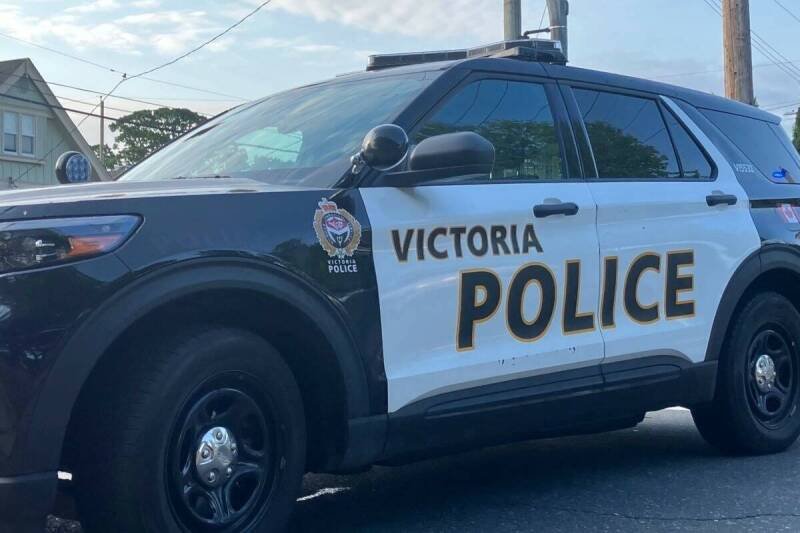
Victoria Police Respond to Firearm Call – Turns Out to Be a Lighter
In a recent incident in Victoria, British Columbia, a call reporting a firearm prompted a significant police response. However, upon investigation, the alleged weapon turned out to be a lighter. This marks the second similar incident in the city within a month, raising questions about perception, reporting, and resource allocation.
What Happened?
Details remain somewhat limited, but the core of the story is straightforward: someone reported seeing what they believed to be a firearm. Given the potential danger, police responded with appropriate caution. After arriving on scene and investigating, they determined the object in question was, in fact, a lighter. One man was taken into custody. It is not clear what he was charged with.
Why This News Matters
While the immediate situation was resolved without harm, incidents like these have broader implications:
- Resource Strain: A large police response to a false alarm diverts resources from other potential emergencies. Time, personnel, and equipment are all tied up in situations that ultimately prove harmless.
- Community Trust: Repeated false alarms can erode public trust in emergency services. People might become hesitant to report genuine concerns if they fear being wrong or causing an overreaction.
- Mental Health Considerations: Often, individuals involved in these types of incidents are experiencing mental health challenges. The way these situations are handled can significantly impact the individual's well-being and future interactions with law enforcement.
Our Analysis
In our opinion, the key takeaway isn't simply that someone mistook a lighter for a gun. Instead, it highlights the challenges of perception, the importance of responsible reporting, and the need for better strategies for managing potentially volatile situations.
The initial report was likely made with good intentions – a concern for public safety. However, this raises the question of if the person properly looked at the weapon, and whether the person had bias that prompted them to call it in. The heightened sensitivity around firearms, coupled with a possible lack of clear visual confirmation, led to an overestimation of the threat.
It's also important to consider the perspective of the police. They are obligated to respond to all reports of potential violence seriously. This often necessitates a strong initial response to ensure the safety of both the public and the officers themselves. This could impact the public trust, as there will be increased scrutiny in a time when people are already wary of police conduct.
Future Outlook
Going forward, several areas need attention:
Enhanced Public Awareness
We believe public education campaigns could help people better assess potential threats and report concerns more accurately. These campaigns should emphasize the importance of providing clear and detailed information to emergency services.
Improved Training for Law Enforcement
Police officers need ongoing training in de-escalation techniques and mental health awareness. This training can help them respond to incidents involving individuals experiencing mental health crises in a compassionate and effective manner. This could impact the types of charges the man will face.
Community-Based Solutions
Exploring community-based solutions, such as mental health crisis teams, could provide alternative responses to situations that might otherwise escalate into police matters. These teams can offer specialized support and connect individuals with appropriate resources.
Ultimately, preventing similar incidents requires a multi-faceted approach involving public awareness, law enforcement training, and community-based solutions. This incident serves as a reminder of the complex challenges involved in maintaining public safety and the need for ongoing dialogue and collaboration between law enforcement and the community.