US Threatens Iran Port Blockade: What it Means for Global Stability
The US is threatening a naval blockade of Iranian ports, a move that could trigger a global energy crisis and wider conflict. We break down the implications.
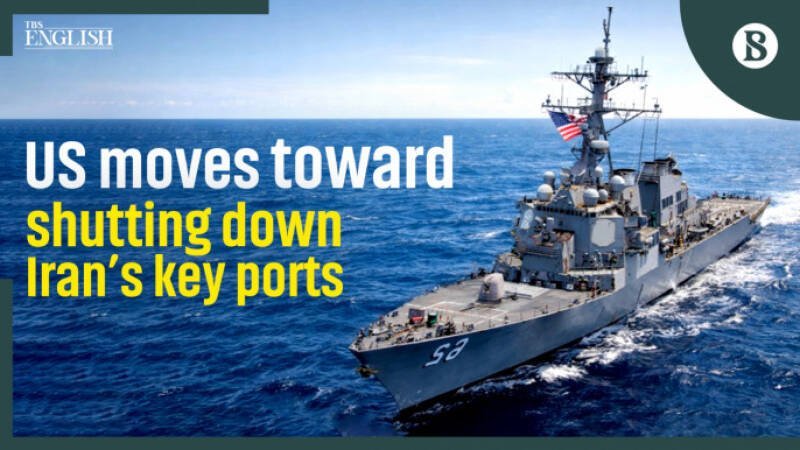



The US is threatening a naval blockade of Iranian ports, a move that could trigger a global energy crisis and wider conflict. We break down the implications.
The United States has issued a stark warning, threatening a full naval blockade of Iranian ports. This action would represent a significant escalation of the ongoing tensions in the Middle East. US military officials have indicated that forces may soon restrict maritime access to Iranian ports, effectively cutting off Iran's vital trade routes, particularly its oil exports.
A naval blockade is a military tactic where a nation uses its navy to prevent ships from entering or leaving another country's ports. In this case, the US Navy would potentially prevent ships from reaching Iranian ports, severely impacting Iran's ability to import goods and export oil – its primary source of revenue.
This is not just a regional issue; it has massive global implications. A blockade of Iranian ports could:
In our opinion, this threat of a naval blockade represents a dangerous gamble by the United States. While the intention might be to pressure Iran into changing its behavior, the risks involved are substantial. A miscalculation on either side could quickly spiral out of control.
The US likely hopes to cripple Iran's economy and force it back to the negotiating table regarding its nuclear program and regional activities. However, Iran may see this as an act of war and respond accordingly. This could involve attacking US naval assets, disrupting shipping lanes in the Persian Gulf, or supporting proxy groups to target US interests in the region. This could impact oil prices heavily and affect global economy stability.
Furthermore, a blockade could alienate other countries that rely on trade with Iran, potentially undermining international support for US policy in the region.
The legality of a naval blockade under international law is complex and depends on the specific circumstances. Generally, a blockade must be declared and enforced effectively. It must also be proportionate and not target civilian populations.
The coming days and weeks will be critical. Whether the US actually implements the blockade remains to be seen. Diplomatic efforts to de-escalate the situation are crucial, but the threat alone has already injected significant uncertainty into the region.
We anticipate the following potential scenarios:
The world is watching closely, hoping that cooler heads will prevail and that a peaceful resolution can be found to this escalating crisis.
Ultimately, this situation underscores the fragility of peace in the Middle East and the potential for even local conflicts to have far-reaching global consequences. Continued monitoring and analysis will be vital to understanding and navigating this complex situation.