US Military Assets in Iran: Understanding the B-2 Stealth Bomber and Potential Implications
A look at the US military assets, including the B-2 stealth bomber, potentially involved in Iran tensions, why it matters, and future outlook.
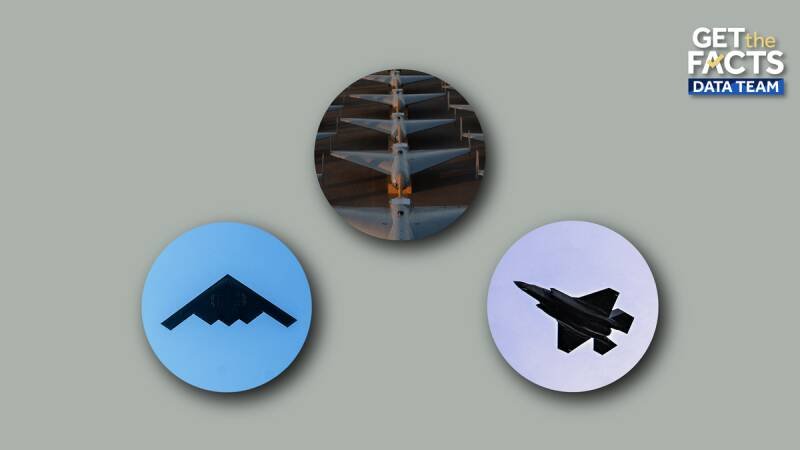



A look at the US military assets, including the B-2 stealth bomber, potentially involved in Iran tensions, why it matters, and future outlook.
Recent tensions involving Iran have brought the United States' military capabilities into sharp focus. While official statements may be guarded, reports suggest the potential deployment and readiness of a range of sophisticated assets, including the powerful F-15 fighter jets and the highly advanced B-2 stealth bomber. This article will focus on these deployments, the potential reasons behind them, and what these maneuvers signal on the global stage.
The B-2 Spirit stealth bomber is often touted as one of the most technologically advanced and expensive aircraft in the world. Developed by Northrop Grumman, its primary mission is to penetrate sophisticated air defenses and deliver both conventional and nuclear ordnance. The sheer cost of this bomber is staggering. Back in 1998, each B-2 carried a price tag of approximately $1.157 billion, making it one of the most expensive pieces of military hardware ever created. That number doesn't even include ongoing maintenance and operational costs.
This cost is largely due to its advanced stealth capabilities, which involve specialized materials, unique aerodynamic design, and sophisticated electronic countermeasures designed to minimize its radar signature. This ability to evade detection is what makes the B-2 such a valuable, if expensive, asset in high-risk scenarios.
While the B-2 grabs headlines, the F-15 Eagle is a formidable multirole fighter jet that also plays a crucial role in projecting US air power. With its exceptional speed, maneuverability, and advanced weaponry, the F-15 is designed to achieve and maintain air superiority in contested environments. Its presence alongside the B-2 signals a comprehensive approach to potential conflict scenarios.
The potential deployment of these assets underscores the seriousness of the geopolitical situation involving Iran. The presence of such advanced military technology serves as a deterrent, signaling to Iran and other actors that the US possesses the capability and willingness to project power in the region. This could impact diplomatic efforts and potentially escalate or de-escalate tensions. These actions highlight the importance of understanding the strategic implications of military deployments and their potential impact on regional stability.
In our opinion, the deployment of the B-2 and F-15 is a calculated move designed to send a clear message. While the US may prefer a diplomatic solution, it is also prepared to respond to any threats to its interests or allies in the region. The selection of these specific assets is telling. The B-2, in particular, is reserved for scenarios where stealth and long-range strike capabilities are paramount, suggesting a focus on targeting key infrastructure or military sites, if necessary. It is also possible that the threat of their presence is enough to force Iran to consider diplomatic measures.
The high cost associated with the B-2 bomber also raises questions about the long-term sustainability of such deployments. The expense of maintaining and operating these assets puts a strain on the defense budget, forcing policymakers to make difficult choices about resource allocation.
The future of US-Iran relations remains uncertain, but the presence of these military assets will likely play a significant role in shaping the dynamics of the region. The coming months will be crucial in determining whether diplomatic efforts can succeed in de-escalating tensions, or whether the situation will continue to escalate towards potential conflict. This could impact global trade, regional stability, and international relations for years to come.
Moving forward, it's crucial to consider:
Only time will tell how this situation unfolds, but the presence of these high-value military assets ensures that the US maintains a significant level of influence in the region.