US-Iran Talks Collapse: Trump's Reset in Jeopardy?
US-Iran negotiations in Pakistan abruptly end as Trump vows strong action against Tehran. Is this the end of diplomatic efforts? Analysis, future outlook, and why this news matters.
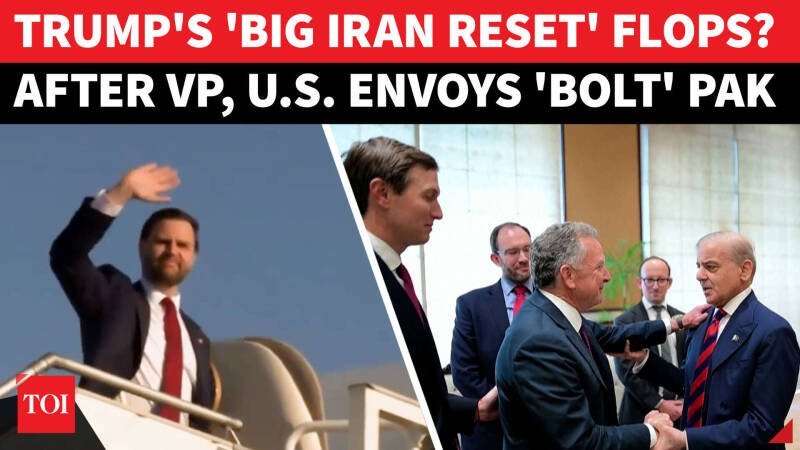



US-Iran negotiations in Pakistan abruptly end as Trump vows strong action against Tehran. Is this the end of diplomatic efforts? Analysis, future outlook, and why this news matters.
Diplomatic efforts between the United States and Iran have hit a major roadblock. Negotiations held in Islamabad, Pakistan, have abruptly ended, with the entire US delegation leaving the country. This includes key figures involved in the talks, such as Steve Witkoff, Jared Kushner, and following the earlier exit of Vice President JD Vance. Reports indicate there are no immediate plans to resume discussions.
The departure of the US negotiating team signals a significant setback in attempts to de-escalate tensions between the two nations. The talks, aimed at finding a new framework for relations, appear to have stalled, leaving the future uncertain. The specifics of the disagreements haven't been publicly disclosed, but the swift departure suggests a fundamental impasse was reached.
Initial reports indicate that the breakdown occurred after Iran rejected what was described as a "final offer" from the United States. Shortly after the reports emerged, Donald Trump issued a statement vowing to "BLOW IRAN TO HELL" if they didn't accept the offer. This escalation in rhetoric further complicates the situation.
The failure of these talks has far-reaching implications:
In our opinion, this is a deeply concerning development. The collapse of these talks suggests a hardening of positions on both sides, making a peaceful resolution even less likely. The public rhetoric from President Trump, while perhaps intended to put pressure on Iran, could backfire and further entrench Iranian resistance.
The involvement of figures like Steve Witkoff and Jared Kushner indicates the importance the Trump administration placed on these negotiations. Their departure, alongside VP Vance, underscores the seriousness of the impasse. This signals a possible shift towards a more confrontational approach by the US.
Pakistan's role as a mediator is now also in question. While the country offered its capital as a venue for the talks, its ability to bridge the gap between the US and Iran appears limited. The failure of these negotiations could impact Pakistan's regional standing.
The immediate future looks bleak. Here are some potential scenarios:
This could impact global oil prices, the stability of the Middle East, and even the political landscape in the US as it heads towards elections. It's a situation that demands careful monitoring and a commitment to de-escalation.
Ultimately, the future depends on the willingness of both sides to find a way back to dialogue. However, based on the current trajectory, that outcome appears increasingly distant. The world waits with bated breath, hoping that cooler heads will prevail and prevent a descent into further conflict.
























