US Government Shutdown Ends: What It Means for You
A deal has been reached to end the US government shutdown. Learn how this impacts airport security, government services, and the future outlook for budget negotiations.



A deal has been reached to end the US government shutdown. Learn how this impacts airport security, government services, and the future outlook for budget negotiations.
After weeks of uncertainty and disruption, a deal has been reached in the US Congress to fund the Department of Homeland Security (DHS) and effectively end the partial government shutdown. Republican leaders announced the agreement on Wednesday, bringing relief to federal employees and the public alike.
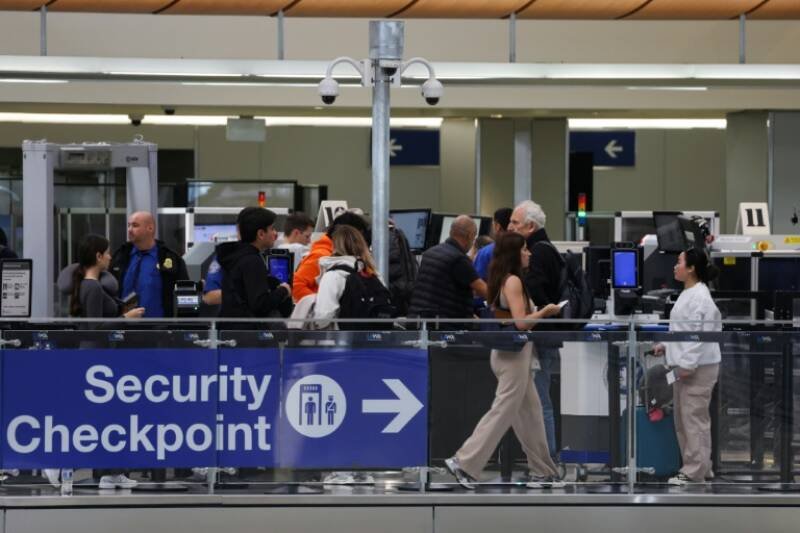
The shutdown stemmed from a disagreement over government funding, specifically concerning the DHS budget. Without an approved budget, many DHS functions were operating with limited resources or were entirely suspended, leading to long lines at airports and disruptions in other vital services.
While specific details of the agreement haven't been fully disclosed, the core issue of funding the Department of Homeland Security has been addressed. This will allow the DHS to resume normal operations, including:
The end of the shutdown has a wide-ranging impact on American citizens. Some key areas affected include:
The agreement to end the shutdown is a positive step, but it doesn't resolve the underlying issues that led to the crisis in the first place. It highlights the deep divisions within Congress and the challenges of reaching bipartisan consensus on critical issues. In our opinion, this agreement is more of a temporary truce than a lasting solution.
The fact that a shutdown occurred at all demonstrates a failure of political leadership. This could impact public trust in government and further polarize the political landscape. A more collaborative approach to budget negotiations is needed to prevent future disruptions.
Public pressure likely played a significant role in pushing lawmakers to reach a deal. The negative impact of the shutdown on air travel and other essential services was increasingly visible, leading to widespread criticism of both parties. The potential for further economic damage also added to the urgency.
While this particular shutdown is over, the threat of future budget crises remains. The underlying disagreements over spending priorities and the role of government are unlikely to disappear. Looking ahead, several key questions remain:
Ultimately, the end of this shutdown is a welcome relief, but it’s crucial to remember that it’s just one battle in an ongoing war over the direction of US government policy. Continued vigilance and engagement from citizens are essential to ensure that our elected officials are held accountable and that future crises are avoided.