US Acknowledges Ceasefire Violations But Remains Optimistic
The US acknowledges ceasefire violations in ongoing conflicts but expresses optimism about overall progress and future direction. Expert analysis and future outlook included.



The US acknowledges ceasefire violations in ongoing conflicts but expresses optimism about overall progress and future direction. Expert analysis and future outlook included.
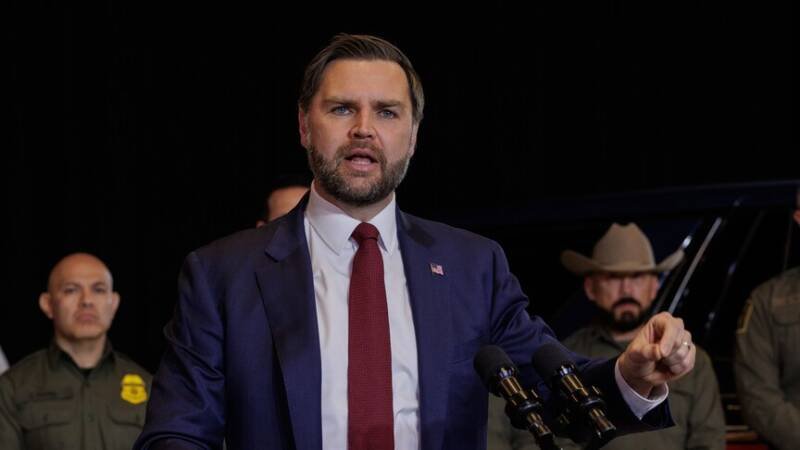
The United States government, through Vice President JD Vance, admitted on Wednesday to instances of ceasefire violations in ongoing conflict zones. While acknowledging these setbacks, the administration maintains an overall optimistic perspective, stating that "things are going in the right direction." This comes amidst ongoing efforts to mediate peace and stability in volatile regions.
Reports of ceasefire breaches have surfaced from multiple sources, raising concerns about the fragility of peace agreements. The specific conflicts and locations were not explicitly detailed in the initial statement, but the US government is actively monitoring the situations and engaging with involved parties to address the violations.
It is crucial to note that ceasefires are inherently delicate. They require constant vigilance, trust-building, and a commitment to de-escalation from all sides. Even with the best intentions, misunderstandings, provocations, and rogue actions can lead to violations. The key is how these violations are addressed and whether they derail the larger peace process.
This news carries significant weight for several reasons:
In our opinion, the US acknowledgement is a balanced approach. Recognizing the violations demonstrates transparency and a commitment to accountability. However, maintaining optimism suggests a belief in the long-term potential for peace and stability.
The phrase "things going in the right direction" is somewhat vague. It’s likely intended to reassure stakeholders and maintain momentum. However, it also risks downplaying the severity of the violations and could be perceived as overly optimistic by those directly affected by the conflict.
The effectiveness of the US approach hinges on its ability to:
The coming weeks will be crucial in determining the future trajectory of these conflicts. Several factors will influence the outcome:
This could impact diplomatic relations significantly. If the US can successfully navigate these challenges, it could solidify its role as a credible and effective mediator. However, failure to address the violations could undermine its credibility and embolden those who seek to undermine the peace process. The situation remains fluid and requires careful monitoring.
Ultimately, the success of any peace process rests on the genuine commitment of all parties to ending the violence and building a more sustainable future. External actors can play a supportive role, but lasting peace can only be achieved through internal reconciliation and a shared vision for a better tomorrow.