United Airlines Peanut Allergy Incident: Passenger Concerns and Airline Responsibility
A woman with a severe peanut allergy faced difficulties on a United Airlines flight. Explore the details, why it matters, our analysis, and future implications for airline policies.
Woman with Peanut Allergy Faces Challenge on United Airlines Flight
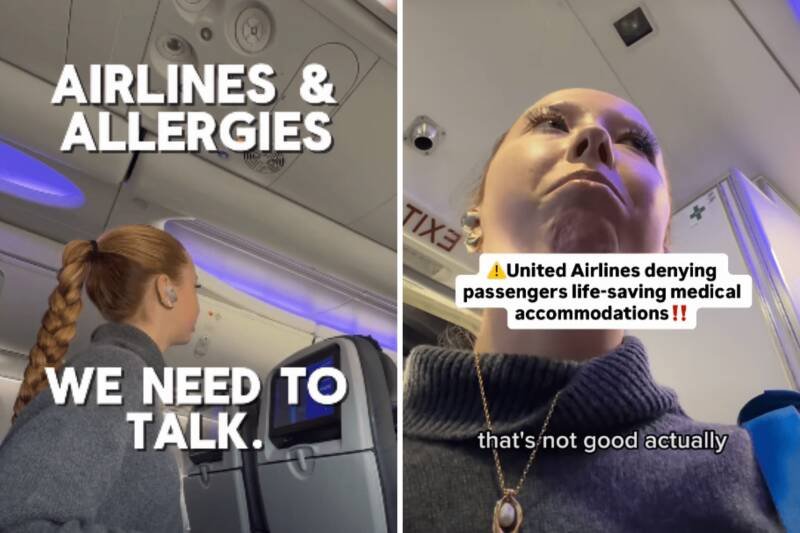
A recent incident involving a 21-year-old woman with a severe peanut allergy and United Airlines has sparked renewed debate about airline policies and passenger safety. The woman, as reported by Newsweek, requested a "buffer zone" on her flight due to her life-threatening allergy. Unfortunately, her request wasn't met with the support she needed, highlighting potential gaps in airline protocols regarding passengers with allergies.
The Incident
The passenger, whose name hasn't been widely released, explained that she informed the flight crew about her allergy upon boarding. She specifically asked for a buffer zone, a common request among individuals with severe airborne allergies. A buffer zone typically involves the airline requesting passengers in the immediate vicinity to refrain from consuming peanut-containing products, reducing the risk of accidental exposure and a potentially life-threatening allergic reaction.
Despite her plea, the United Airlines staff reportedly did not implement a buffer zone. This left the passenger anxious and vulnerable throughout the flight, as even trace amounts of peanut dust can trigger anaphylaxis, a severe and potentially fatal allergic reaction.
Why This News Matters
This incident shines a light on the challenges faced by individuals with severe allergies when traveling. It brings to the forefront the question of airline responsibility in ensuring the safety and well-being of passengers with disabilities, including life-threatening allergies. For many, flying is already stressful; the added anxiety of a potential allergic reaction can make it nearly impossible.
Beyond this specific case, this story raises broader concerns about accessibility and inclusion within the travel industry. If airlines are not consistently implementing effective protocols for passengers with allergies, it suggests a systemic issue that needs addressing. A life-threatening allergy is classified as a disability in many regions, and airlines have a responsibility to make reasonable accommodation. We think that this incident is more than an inconvenience; it demonstrates the real-world impact of not prioritizing health needs.
Our Analysis
In our opinion, United Airlines missed an opportunity to prioritize the safety and well-being of a passenger with a documented medical need. While airlines face logistical challenges, the implementation of a simple buffer zone is a reasonable request that could significantly reduce the risk of a potentially fatal allergic reaction. The passenger was not asking to re-engineer the flight plan, she was requesting reasonable accommodation.
A key factor here is the lack of standardized airline policies regarding peanut allergies. Some airlines have well-defined protocols, while others appear to be less proactive. This inconsistency creates confusion and uncertainty for passengers with allergies, making it difficult to plan and execute safe travel. Clearer, more consistent industry standards are needed to protect vulnerable travelers.
Is a Peanut-Free Flight Possible?
Fully peanut-free flights are a hot topic. Some advocate for completely banning peanuts on airplanes. However, this is a contentious issue, with potential challenges related to enforcement and supply chain management. Others prefer the use of buffer zones and improved communication between passengers and flight crew.
Future Outlook
This incident may prompt increased scrutiny of United Airlines' allergy policies and could potentially lead to changes in their procedures. We anticipate that disability and allergy advocacy groups may leverage this case to push for stronger federal regulations regarding airline accessibility and accommodation for passengers with allergies.
This could impact other airlines as well, pushing them to re-evaluate and strengthen their own allergy protocols. Passengers with allergies will likely become more vocal in advocating for their rights and demanding clear communication and reasonable accommodations from airlines.
We expect to see:
- Increased passenger awareness of their rights regarding allergy accommodations.
- Potential lawsuits against airlines for failing to adequately protect passengers with allergies.
- Greater pressure on regulatory bodies to establish clear and enforceable airline allergy policies.
Ultimately, this incident underscores the importance of prioritizing passenger safety and accessibility within the airline industry. A proactive and compassionate approach to managing allergies is not only ethically sound but also essential for creating a more inclusive and safe travel experience for all.