UN Welcomes US-Iran Ceasefire: What It Means and What's Next
The UN Secretary-General welcomes a ceasefire between the US and Iran. We break down the details, analyze the implications, and explore the future outlook for peace.



The UN Secretary-General welcomes a ceasefire between the US and Iran. We break down the details, analyze the implications, and explore the future outlook for peace.
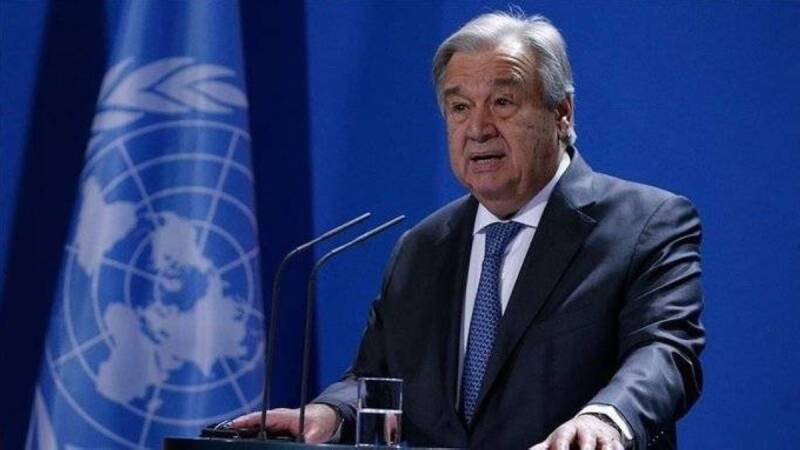
The United Nations Secretary-General, Antonio Guterres, has expressed his approval of the recently announced two-week ceasefire between the United States and Iran. This news, confirmed by his spokesperson Stephane Dujarric, signals a potential de-escalation in a region fraught with tension.
While specific details surrounding the agreement remain somewhat limited, the core of the agreement is a halt to hostilities between the US and Iran for a period of two weeks. The UN Secretary-General is calling on all parties to adhere to the agreement in good faith. This suggests a window of opportunity for diplomatic efforts to address the underlying issues fueling the conflict.
This ceasefire, even if temporary, is significant for several reasons:
In our opinion, this ceasefire represents a cautious but welcome step in the right direction. While the underlying tensions between the US and Iran are deep-seated and complex, any effort to de-escalate the situation is crucial. The success of this ceasefire will depend heavily on the willingness of both sides to engage in meaningful dialogue and address each other's concerns. It will also depend on other regional actors not taking any actions that would undermine the ceasefire.
The brevity of the ceasefire is a cause for concern. Two weeks is a relatively short period, and it may not be sufficient to achieve any substantial progress in resolving the core issues. However, it could act as a starting point for more comprehensive negotiations. The key to success is to build on this initial step and maintain the momentum towards a more lasting resolution.
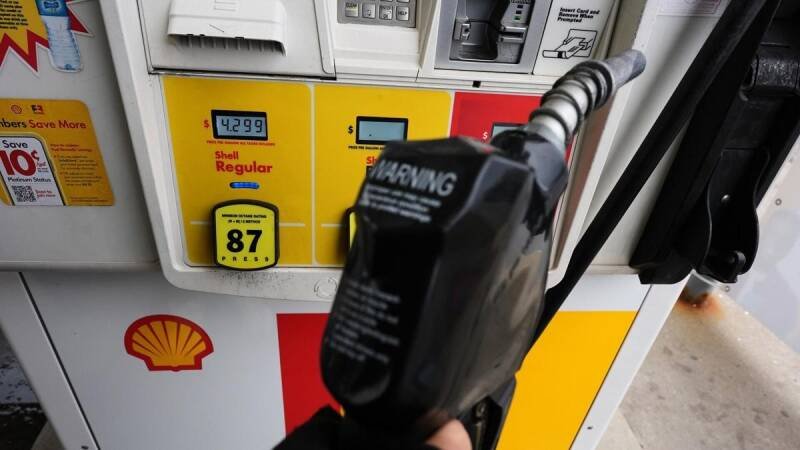
This could impact global oil prices, as tensions in the Middle East often lead to volatility in the energy market. A sustained de-escalation could lead to greater stability and predictability.
The future of the US-Iran relationship remains uncertain, and the success of this ceasefire is not guaranteed. Several factors could influence the outcome:
Ultimately, the long-term outlook depends on a fundamental shift in the relationship between the US and Iran, moving away from confrontation and towards cooperation. This will require a willingness to address each other's concerns, build trust, and find common ground. While the challenges are significant, this ceasefire offers a glimmer of hope for a more peaceful future.