UConn Budget Cuts: Faculty Concerns and the Future of Education
UConn faculty raise concerns over budget transparency and potential impacts on the university's educational mission. Learn about the key issues and future outlook.



UConn faculty raise concerns over budget transparency and potential impacts on the university's educational mission. Learn about the key issues and future outlook.
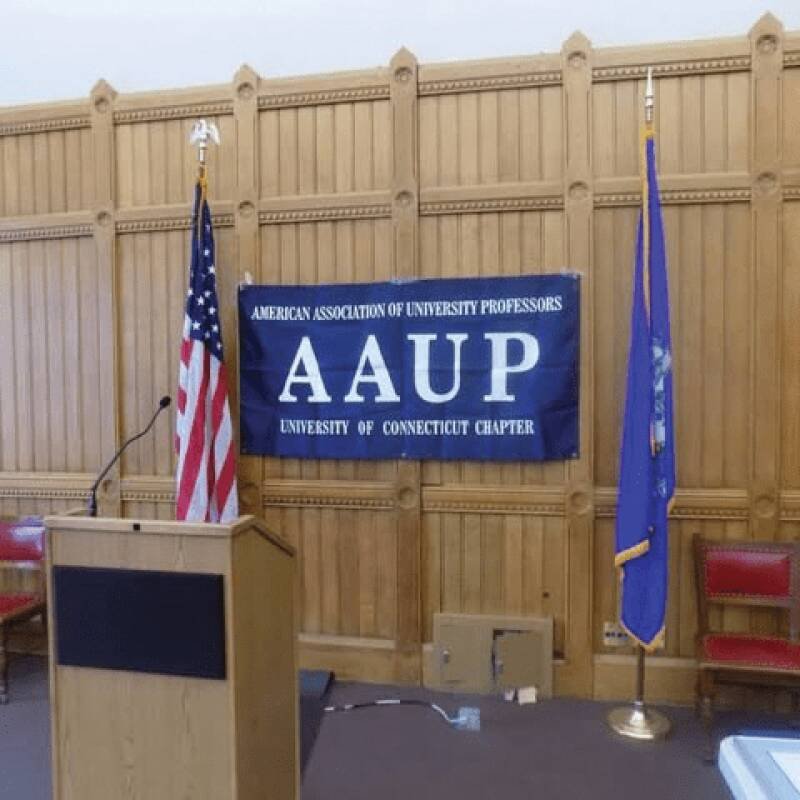
A recent statement from the executive committee of the UConn American Association of University Professors (AAUP) has raised serious concerns about the university's budget planning. The faculty group is specifically objecting to what they perceive as a lack of transparency in how financial decisions are being made, fearing it could negatively impact UConn's core educational mission.
The UConn AAUP's main concern revolves around the idea of "selective transparency." This suggests that the university administration isn't being fully open about all aspects of the budget, potentially withholding information or selectively releasing data to paint a certain picture. Faculty argue that open communication and access to comprehensive financial information are crucial for making informed decisions that benefit the entire university community.
A lack of transparency can lead to distrust and make it difficult for faculty to understand the rationale behind budget cuts or reallocations. This makes it harder for them to contribute to solutions or advocate for the needs of their departments and students.
The financial health of a university is vital for its long-term success and the quality of education it provides. Budget cuts, especially when shrouded in secrecy, can have profound consequences:
In our opinion, the UConn AAUP's concerns are valid and warrant further scrutiny. Transparency is essential for building trust and ensuring accountability within any organization, especially a public university that relies on taxpayer funding. Selective transparency suggests a lack of open communication, which can be detrimental to effective decision-making.
It's important to note that universities face complex financial challenges, particularly in the current economic climate. However, these challenges should be addressed through open dialogue and collaborative problem-solving, rather than behind closed doors. A failure to engage with faculty and staff on budget matters could lead to unintended consequences and ultimately harm UConn's reputation and educational quality.
The situation at UConn is ongoing, and the future outlook depends on several factors:
This could impact not only UConn students and faculty, but also the broader Connecticut community, which relies on the university for education, research, and economic development. We believe that a transparent and collaborative approach to budget planning is essential for ensuring UConn's long-term success and its ability to serve the needs of its students and the state.
Ultimately, the goal should be to find solutions that protect UConn's core educational mission while addressing the university's financial challenges in a responsible and transparent manner.