Turning Scratches into Stories: How Marks Become Memories
Dr. Barton Goldsmith explores how everyday marks and imperfections can become cherished reminders of special moments and family history, transforming blemishes into beautiful narratives.



Dr. Barton Goldsmith explores how everyday marks and imperfections can become cherished reminders of special moments and family history, transforming blemishes into beautiful narratives.
Life isn't perfect, and neither are our possessions. Dings, dents, and scratches are inevitable. But what if these imperfections weren't just blemishes, but rather, tiny time capsules holding precious memories? Dr. Barton Goldsmith explores this very idea, reminding us that sometimes, the most meaningful stories are etched not in words, but in the marks we leave behind.
Imagine a dining room table, finally acquired just before Thanksgiving. It can seat ten, perfect for gathering friends and family. The scene is set: laughter, shared stories, and the warmth of human connection. This table isn't just furniture; it's a stage for life's most cherished moments.
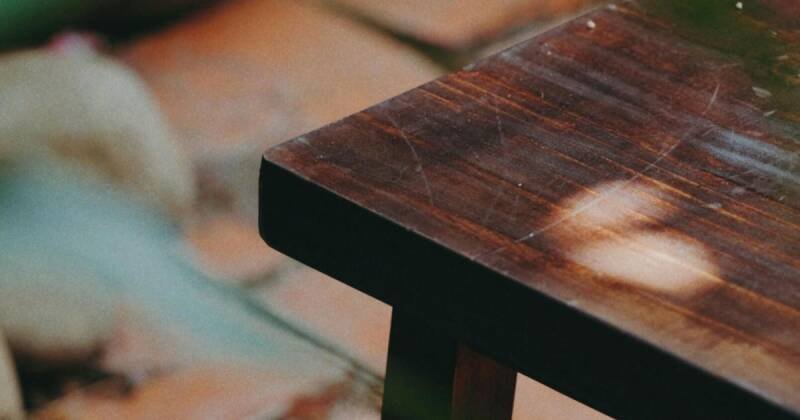
But what happens when that pristine surface gets scratched? Does it diminish the table's value? According to Dr. Goldsmith, quite the opposite. These imperfections, though initially unwelcome, can morph into powerful reminders of specific events and people.
A small scratch from a child's toy car could conjure the memory of a boisterous holiday gathering. A water ring from a forgotten drink might bring back the image of a deep conversation with a loved one. These aren't just damages; they're triggers for nostalgia, connecting us to our past.
The key takeaway is that sentimentality often outweighs perfection. A flawless, untouched object might be aesthetically pleasing, but it lacks the depth and character of something that has been lived with and loved.
This concept challenges our consumerist mindset, which often prioritizes newness and flawlessness. It encourages us to appreciate the journey and the stories behind our belongings, fostering a deeper connection to our homes and our loved ones. It also offers a new perspective on "damage" – seeing it not as a loss, but as a gain in emotional value. Think of it as the object maturing, the same way the wrinkles on our face tell the story of our own lives.
In our opinion, Dr. Goldsmith's message is incredibly relevant in today's fast-paced world. We are constantly bombarded with images of perfection, leading us to strive for unattainable standards. This perspective offers a refreshing alternative, encouraging us to embrace imperfections and find beauty in the everyday. It prompts us to consider the emotional value of our possessions, shifting our focus from material worth to sentimental significance. This could impact the way we view our homes and the items within them, fostering a sense of gratitude and appreciation for the memories they hold.
Instead of immediately seeking to repair or replace damaged items, we might pause and consider the story behind the mark. Could it be a reminder of a special moment? A connection to a loved one? Recognizing the sentimental value can transform our relationship with our possessions, making them more meaningful and cherished.
This shift in perspective could lead to a broader cultural acceptance of imperfections. We might see a greater emphasis on repairing and repurposing items rather than discarding them. This would not only reduce waste but also preserve the stories and memories associated with these objects.
Furthermore, businesses could incorporate this concept into their marketing strategies, highlighting the unique character and history of their products. In our opinion, embracing imperfections could become a key differentiator, appealing to consumers who are seeking authenticity and meaningful connections.
Ultimately, Dr. Goldsmith’s perspective encourages us to view our surroundings with a more appreciative and sentimental lens. The marks, scratches, and blemishes of everyday life are not flaws, but rather, the tangible evidence of a life well-lived, a story being written, one memory at a time.