Tucker Carlson Denies Antisemitism Accusations: BBC Interview Analysis
Tucker Carlson faces antisemitism accusations after a BBC interview covering his discussion with Nick Fuentes. Read our analysis, future outlook, and why this news matters.
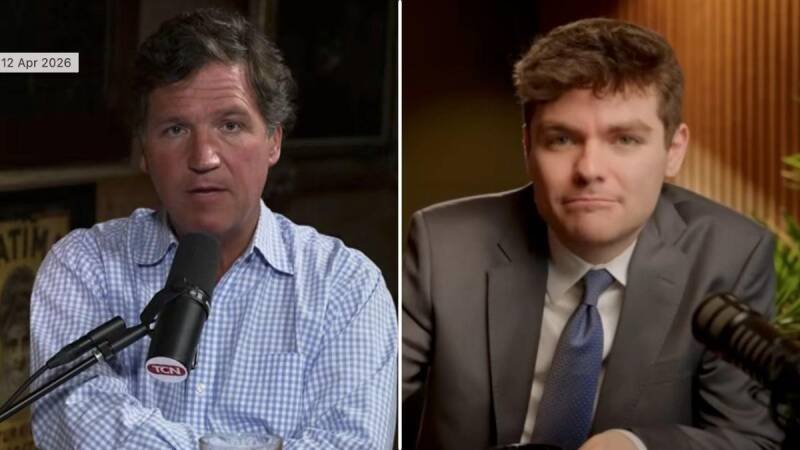



Tucker Carlson faces antisemitism accusations after a BBC interview covering his discussion with Nick Fuentes. Read our analysis, future outlook, and why this news matters.
Tucker Carlson, the prominent political commentator, recently found himself at the center of a storm of controversy following a tense interview with the BBC. The interview focused heavily on accusations of antisemitism, stemming in part from Carlson's prior discussions with Nick Fuentes, a known figure associated with white supremacist views.
The BBC interviewer relentlessly questioned Carlson about his association with Fuentes and whether he condoned Fuentes' controversial statements. Carlson vehemently denied being antisemitic, stating, "I oppose it." He argued that he doesn't endorse all the views of everyone he interviews and that his focus is on providing a platform for diverse perspectives, even those considered fringe. The exchange was described as heated and confrontational, showcasing the intense scrutiny Carlson faces due to his often-provocative commentary and guest choices.
This news is significant for several reasons. Firstly, it highlights the ongoing debate surrounding freedom of speech and the responsibility of media figures to vet their guests and platforms. Secondly, it shines a light on the persistent issue of antisemitism in the public sphere and the challenges of combating it. Finally, it underscores the deep divisions within American society and the increasing polarization of political discourse.
The accusations leveled against Carlson also raise important questions about the definition of antisemitism and the potential for guilt by association. Is it fair to hold someone accountable for the views of their guests, even if they explicitly disagree with those views? These are complex issues with no easy answers.
In our opinion, this situation exemplifies the challenges of navigating the current media landscape. Carlson's strategy of platforming diverse voices, while potentially laudable in principle, carries inherent risks. By providing a platform to figures like Nick Fuentes, he inevitably exposes himself to criticism and accusations of legitimizing harmful ideologies.
The BBC interview appears to have been designed to put Carlson on the defensive, forcing him to address the criticisms head-on. While Carlson denied the accusations, the controversy is likely to continue to dog him. Whether the association with Fuentes will ultimately damage Carlson's reputation remains to be seen. It could impact future guest bookings and brand partnerships.
It's crucial to consider the nuances of this situation. Simply labeling Carlson as antisemitic based on his interview with Fuentes is, in our view, an oversimplification. However, it's equally important to acknowledge the potential harm that can be caused by providing a platform to individuals who promote hateful ideologies, regardless of the interviewer’s personal beliefs.
The fallout from this controversy is likely to continue for some time. We anticipate further debate and analysis of Carlson's actions, as well as increased scrutiny of his future guest choices. The incident could also prompt a broader discussion about the responsibilities of media platforms in preventing the spread of hate speech.
The future will depend on how Carlson chooses to navigate these challenges. Will he modify his approach to guest selection? Will he double down on his commitment to platforming controversial voices? Only time will tell.
Ultimately, this situation serves as a reminder of the power and responsibility that comes with having a public platform. It is up to each individual to decide how to use that power and what message they want to send to the world.
























