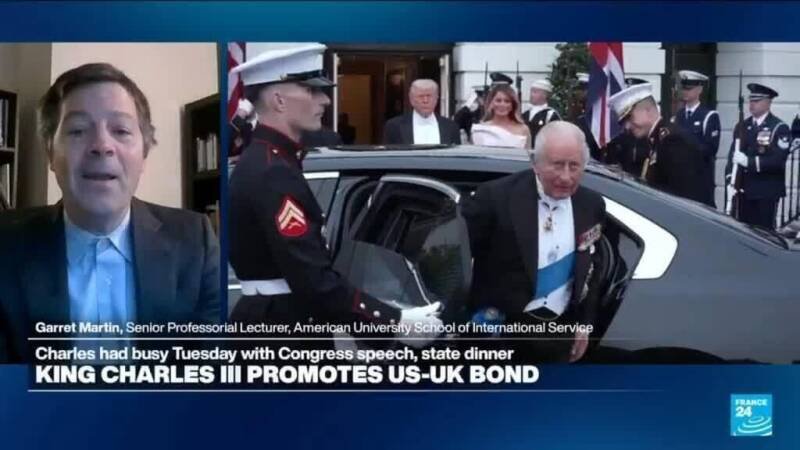
Trump's Ultimatum to Iran: A Breakdown and Analysis
Trump gives Iran 48 hours to negotiate on Hormuz Strait. An analysis of the escalating tensions, potential impacts, and future outlook.
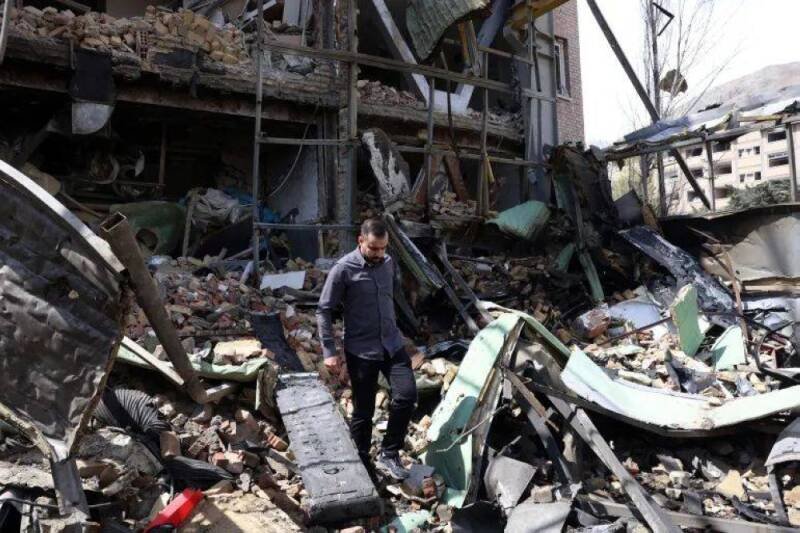



Trump gives Iran 48 hours to negotiate on Hormuz Strait. An analysis of the escalating tensions, potential impacts, and future outlook.
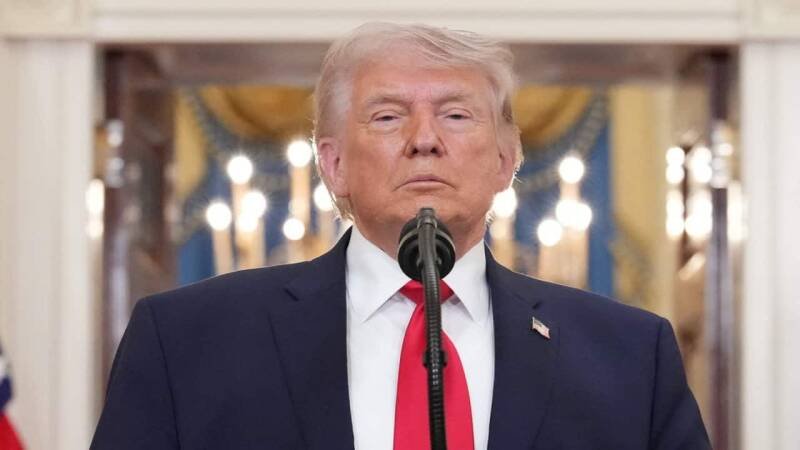
Tensions in the Middle East are ratcheting up again. Former U.S. President Donald Trump recently issued a strong statement, giving Iran 48 hours to either "make a deal or open up the Hormuz Strait." This ultimatum, made via social media, immediately sparked concerns about a potential escalation of conflict in a region already fraught with instability.
The Hormuz Strait is a crucial waterway, a narrow passage between Iran and Oman connecting the Persian Gulf to the Gulf of Oman and the Arabian Sea. It's a vital transit point for oil, with a significant percentage of the world's oil supply passing through it daily. Any disruption to this flow could have significant global economic consequences.
Trump's statement lacks specific details about the "deal" he's referring to. It's highly likely he is referencing the collapsed Iran nuclear deal (JCPOA) or other issues related to Iran's regional behavior.
This development comes against a backdrop of existing tensions, including ongoing proxy conflicts in the region, accusations of Iranian involvement in attacks on shipping, and the US withdrawal from the JCPOA.
This news is significant for several reasons:
In our opinion, this ultimatum is a high-stakes gamble. While the intent may be to pressure Iran back to the negotiating table, the aggressive tone and short timeline could easily backfire. Iran is unlikely to respond favorably to threats, and this could push them towards further provocative actions.
The lack of specifics about the desired "deal" also raises concerns. Is this a genuine attempt at negotiation, or simply a pretext for further escalation? Without clear objectives, the ultimatum risks being perceived as empty rhetoric, weakening the US's position in the long run.
The timing is also notable. Considering current global affairs, any further escalation could greatly impact global stability.
The next 48 hours will be crucial. Several scenarios are possible:
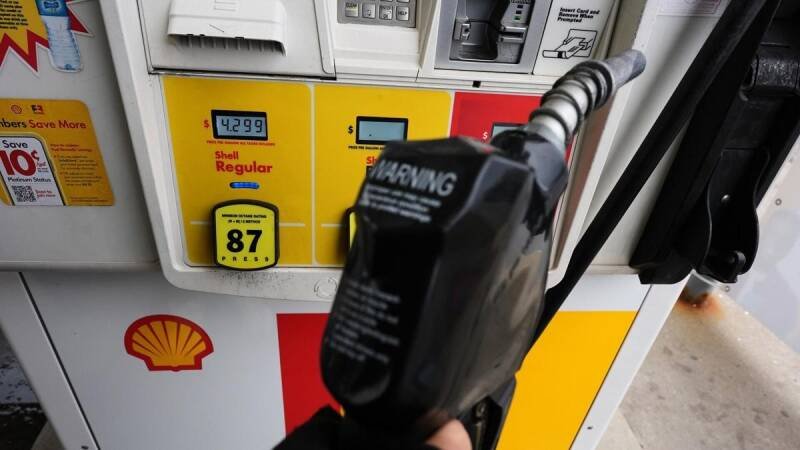
This situation could impact businesses. Increased geopolitical risk often leads to increased volatility in financial markets, higher insurance rates for shipping, and greater uncertainty for companies operating in the region.
Ultimately, a diplomatic solution is the best way to de-escalate tensions and ensure regional stability. However, Trump's ultimatum makes such a solution more difficult to achieve. Whether the current political climate allows for that remains to be seen. In our opinion, a measured and carefully calibrated approach is needed, prioritizing dialogue and de-escalation over brinkmanship.