Trump's Iran Speech: Key Takeaways and Future Outlook
Analysis of Trump's address on Iran, including key takeaways, potential impacts, and future outlook. Understand the implications of his speech.
Trump's Iran Address: What You Need to Know
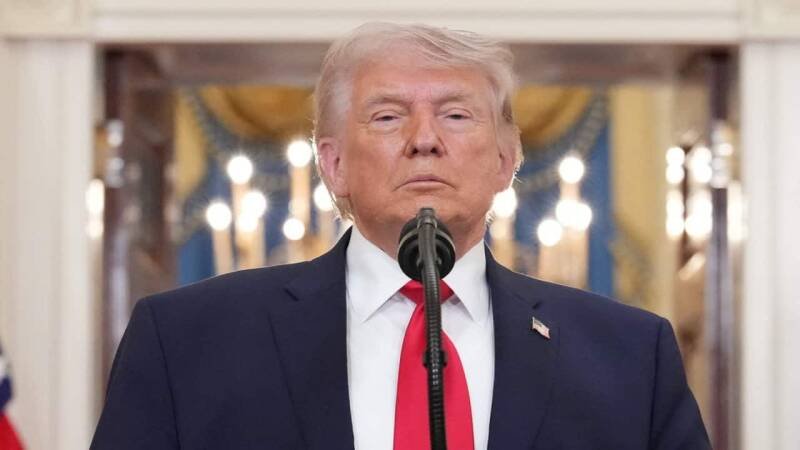
President Trump recently addressed the nation regarding the ongoing tensions with Iran. While the speech aimed to de-escalate the situation, several key takeaways are worth noting. Let's break down the core points and analyze what they mean for the future.
Key Takeaways from Trump's Speech
- No End in Sight: The speech lacked a definitive timeline for resolving the conflict. Trump did not specify when, or even if, the current hostilities would cease.
- Negotiations Unmentioned: Conspicuously absent was Trump's previous claim that negotiations with Iran were underway. This suggests a potential shift in strategy, or perhaps a lack of progress in diplomatic efforts.
- Limited Strategic Details: The address provided few concrete details about the administration's long-term strategy in the region. While Trump emphasized economic pressure, the specific plans for future military or diplomatic actions remained vague.
These omissions, in our opinion, raise significant questions about the direction of US policy towards Iran.
Why This News Matters
The situation in the Middle East is incredibly volatile, and any change in the US approach has ripple effects throughout the world. Understanding the nuances of Trump's address is crucial because:
*
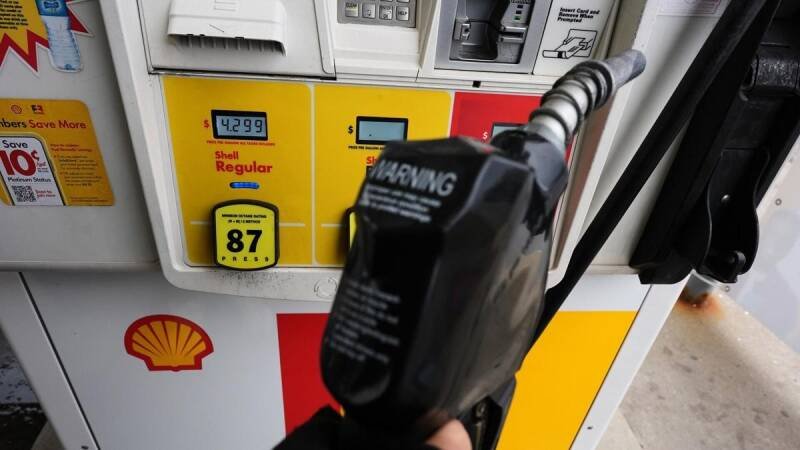
It Affects Global Stability: Heightened tensions between the US and Iran can lead to instability in the region, impacting oil prices, trade routes, and the overall global economy.
*
It Impacts International Relations: The way the US handles this situation affects its relationships with allies and adversaries alike.
*
It Could Impact Future Conflicts: A lack of clear strategy increases the risk of miscalculation and unintended escalation.
Our Analysis
Trump's speech paints a picture of cautious restraint mixed with unwavering resolve. While the toned-down rhetoric compared to previous pronouncements is a welcome sign, the absence of key details is concerning. The omission of ongoing negotiations suggests that diplomatic efforts might be stalled or abandoned altogether. This could push the US and Iran further down a path of confrontation.
The emphasis on economic pressure, without a clear diplomatic roadmap, signals a continuation of the current strategy. However, the effectiveness of this approach is debatable, as Iran has shown resilience in the face of sanctions.
The lack of specifics regarding long-term strategy leaves many questions unanswered. What are the administration's goals for the region? What are the red lines that would trigger a military response? Without clear answers, the risk of miscalculation remains high.
In our opinion, the speech reflected an attempt to appease both domestic and international audiences. However, its lack of concrete details may ultimately undermine its credibility and effectiveness.
Future Outlook
The future remains uncertain. Several possible scenarios could unfold:
*
Continued Stalemate: The most likely scenario is a continuation of the current situation, with ongoing economic pressure and sporadic tensions.
*
Renewed Negotiations: A return to the negotiating table, possibly through intermediaries, could lead to a de-escalation of tensions.
*
Escalation: A miscalculation or provocation could lead to a more direct military conflict.
The key factors that will shape the future include:
*
Iran's Response: How Iran reacts to the ongoing pressure will be critical. Will they seek to negotiate, or will they continue to resist?
*
International Diplomacy: The role of other countries, such as European powers, Russia, and China, in mediating the conflict will be important.
*
Domestic Politics: The US political landscape, including the upcoming presidential election, could influence the administration's policy towards Iran.
This situation will require careful monitoring and informed analysis. The stakes are high, and the decisions made in the coming months will have significant consequences for the region and the world.