Trump's College Sports Order: What It Means for Athletes and Schools
President Trump's executive order aims to protect college athletes, but could threaten federal funding for non-compliant schools. We break down the details.
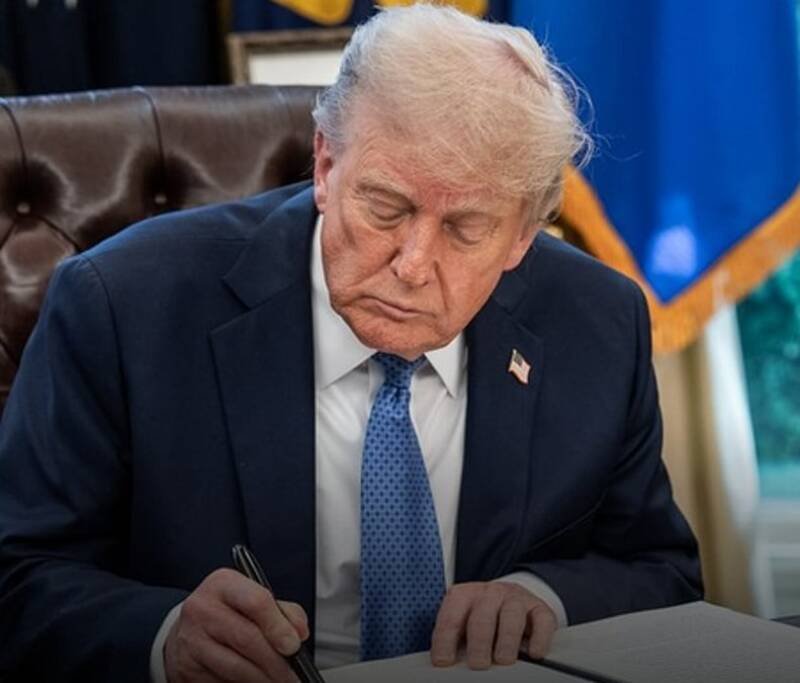



President Trump's executive order aims to protect college athletes, but could threaten federal funding for non-compliant schools. We break down the details.
Former President Trump has signed an executive order aimed at "protecting" college athletes. The order focuses on issues like Name, Image, and Likeness (NIL) rights, and ensuring fair treatment, but it comes with a potential sting: schools that don't comply could risk losing federal funding. This has sent ripples throughout the world of college sports.
While the full details are still emerging, the core of the order seems to revolve around the following:
In our opinion, the NIL component is potentially the most impactful, as it directly challenges the NCAA's long-standing rules against athletes profiting from their status.
This executive order has significant implications for several key players:
This action is especially relevant because it touches upon the ongoing debate about the amateurism model in college sports. For decades, the NCAA has maintained that college athletes are amateurs and shouldn't be paid beyond scholarships and stipends. This order challenges that notion, arguing that athletes deserve a share of the revenue they generate.
The effectiveness of this executive order hinges on a few factors. First, the actual implementation of the order will be crucial. The details of how compliance will be measured and enforced will determine its impact. Second, the legality of the order could be challenged in court. Some legal experts argue that the federal government's authority to regulate college sports in this manner is limited.
It's also important to remember the political context. This order came during a time when the Trump administration was actively engaging in culture wars, and it could be seen as an attempt to appeal to a specific base. The threat of withholding federal funding is a powerful tool, but it could also be seen as heavy-handed and politically motivated.
Several challenges exist that could hinder the effectiveness of this executive order.
The future of college sports is uncertain, but this executive order has undoubtedly added another layer of complexity. We believe several scenarios are possible:
This could impact smaller colleges negatively. Schools already struggling financially might have difficulty complying with new regulations, potentially forcing them to cut athletic programs or even close down.
Ultimately, the fate of college sports will depend on a combination of legal, political, and economic factors. This executive order is just one piece of the puzzle, but it has undoubtedly sparked a new round of debate about the future of amateurism in college athletics.