Trump Threatens Iran: Strait of Hormuz Tensions Escalate
Donald Trump issues a strong warning to Iran over the Strait of Hormuz after a daring rescue operation. Our analysis covers the potential impact and future outlook.
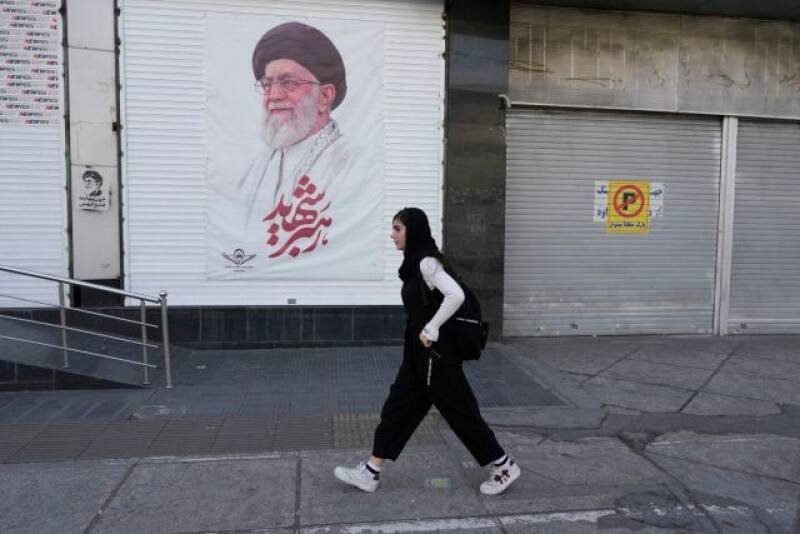



Donald Trump issues a strong warning to Iran over the Strait of Hormuz after a daring rescue operation. Our analysis covers the potential impact and future outlook.
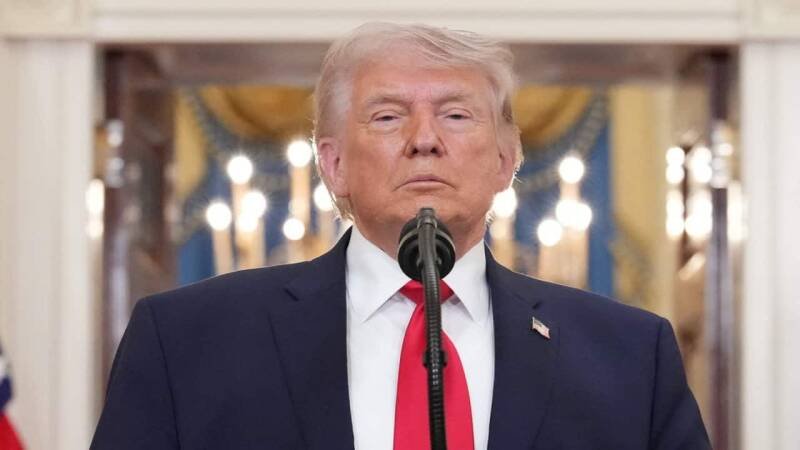
President Donald Trump issued a sharp warning to Iran on Sunday, threatening further military action if Iran does not open the Strait of Hormuz. This threat came shortly after the successful rescue of an American aviator whose plane had been downed in what was described as enemy territory.
Details surrounding the aviator's rescue remain somewhat vague, but it's clear that U.S. forces conducted a successful operation to retrieve the pilot from a potentially hostile area. The incident highlights the ongoing tensions and the potential for direct conflict between the U.S. and Iran in the region.
According to reports, Trump's threat to Iran was delivered with unusually strong language, reportedly including expletives. He warned of escalated strikes on Iran and its infrastructure if the Strait of Hormuz, a critical waterway for global oil supply, is not opened by a specified deadline. The specific terms of the deadline remain unconfirmed.
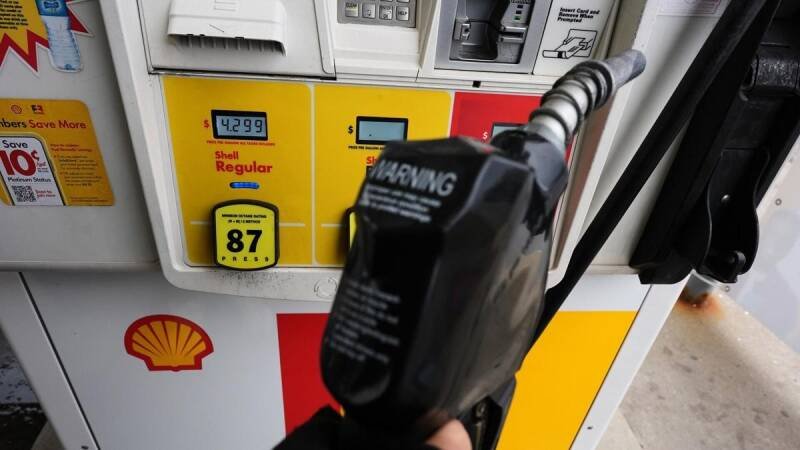
The Strait of Hormuz is a strategically vital waterway. A significant percentage of the world's oil supply passes through this narrow channel, making it a critical chokepoint. Any disruption to traffic through the Strait can have severe consequences for the global economy, potentially leading to higher oil prices and economic instability. Trump's warning indicates the U.S. is prepared to use military force to ensure the Strait remains open.
In our opinion, Trump's strong rhetoric is intended to deter Iran from further actions that could destabilize the region. By issuing a clear threat, the U.S. aims to discourage any potential Iranian attempts to block or interfere with shipping in the Strait of Hormuz. However, such strong language also carries the risk of escalating tensions and potentially leading to unintended consequences.
The timing of the threat, following the successful rescue operation, suggests a desire to project strength and resolve. It's also possible this is a signal to other actors in the region, indicating the U.S.'s commitment to maintaining its influence and protecting its interests. This could impact other involved countries such as Saudi Arabia and Russia.
One of the biggest concerns is the potential for miscalculation on either side. A misunderstanding or misinterpretation of intentions could easily escalate into a larger conflict. The U.S. and Iran have a history of strained relations, and the current situation is particularly volatile. The heated rhetoric and military activity in the region create a dangerous environment where missteps could have catastrophic consequences.
The future outlook remains uncertain. It's likely that tensions between the U.S. and Iran will continue to be high. The Strait of Hormuz will remain a key flashpoint. Diplomacy and de-escalation efforts are crucial to prevent a further deterioration of the situation. The international community, including the United Nations and other major powers, must play a role in promoting dialogue and finding a peaceful resolution.
Looking ahead, we can expect to see:
It is essential to follow this situation closely, as it has significant implications for global security and economic stability.