Trump Strait of Hormuz Comments: US Role in Middle East Security
Donald Trump suggests the US might withdraw from securing the Strait of Hormuz, shifting responsibility to other nations. Our analysis explores the implications for global oil markets and international relations.
Trump Shifts Stance on Strait of Hormuz Security: A Major Policy Shift?
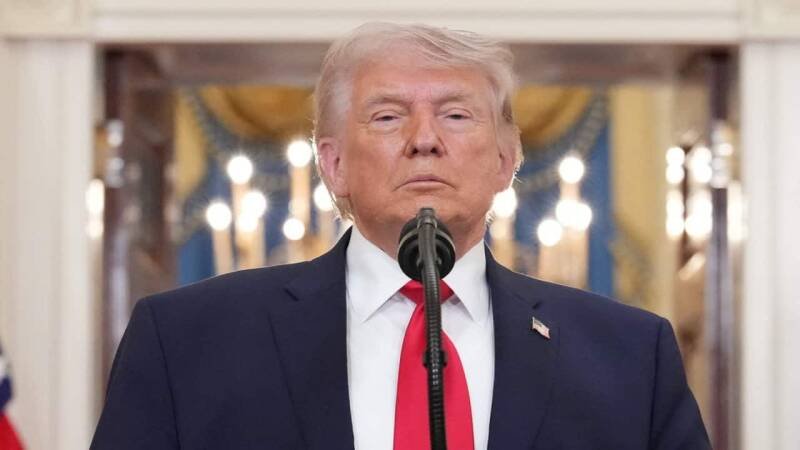
In a recent statement, former President Donald Trump indicated that the United States might withdraw from its role in securing the Strait of Hormuz. He suggested that the U.S. military could conclude its operations there within a few weeks, leaving the responsibility of maintaining security in the crucial waterway to other nations.
What Happened?
Trump stated the U.S. "won't have anything to do with what happens next" in the Strait. The Strait of Hormuz is a narrow waterway connecting the Persian Gulf to the Gulf of Oman and the Arabian Sea. It's a vital shipping lane for global oil supplies and has been a flashpoint for tensions between Iran and other nations, including the U.S.
The Strait has been closed in the past by Iran, causing huge disruptions in global oil supplies. Trump's comments suggest a potential shift in U.S. foreign policy, moving away from directly guaranteeing the security of this strategic location.
Why This News Matters
The Strait of Hormuz is incredibly important because a huge percentage of the world’s oil supply passes through it daily. If the Strait is closed or becomes unsafe, the global economy will feel it almost immediately.
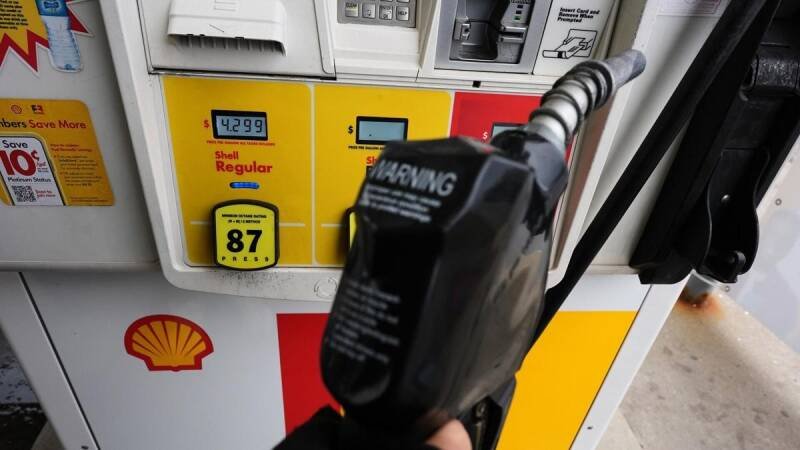
- Oil Prices: Any instability in the Strait can lead to a sharp increase in oil prices, impacting consumers and businesses worldwide.
- Global Economy: Disrupted oil flows can lead to economic slowdowns and even recessions.
- International Relations: This policy shift could impact the relationship between the US, Iran and its allies in the region.
Our Analysis
In our opinion, Trump's statement represents a significant departure from traditional U.S. foreign policy in the Middle East. For decades, the U.S. has positioned itself as a guarantor of stability in the region, including ensuring the free flow of oil through the Strait of Hormuz.
While the U.S. has allies in the region (primarily Saudi Arabia), it is unclear whether these nations have the military capacity and political will to effectively secure the Strait without U.S. support. This could create a power vacuum that Iran might exploit.
We believe this announcement could be interpreted as a message to U.S. allies to take more responsibility for their own security. It may also be intended to signal a desire to de-escalate tensions with Iran, but the risk remains that it could be perceived as weakness by Tehran.
Future Outlook
The immediate impact of Trump's statement is likely to be increased uncertainty in the oil markets. Traders and investors will be closely monitoring the situation for any signs of escalation or disruption. Longer term, we foresee several potential scenarios:
Possible Scenarios
- Regional Cooperation: Other nations could step up their efforts to secure the Strait, potentially in coordination with the U.S.
- Increased Iranian Influence: Iran could increase its influence in the region.
- Oil Price Volatility: Expect continued volatility in global oil markets as the situation unfolds.
- Renewed US Involvement: Depending on the actions of other nations, the US could be drawn back into a more active role in the future.
This development is likely to cause some real issues in the short and long term. The future of security in the Strait of Hormuz is now even more uncertain than before. This could impact not only the global oil supply but also the broader geopolitical balance in the Middle East.