Trump Recasts Iran Conflict After Airman Rescue: Analysis and Future Outlook
Following the rescue of a downed airman, Trump attempts to boost support for the unpopular Iran conflict. Get our in-depth analysis of the situation and its future implications.
Trump's Gambit: Using Airman Rescue to Revive Support for Iran Conflict
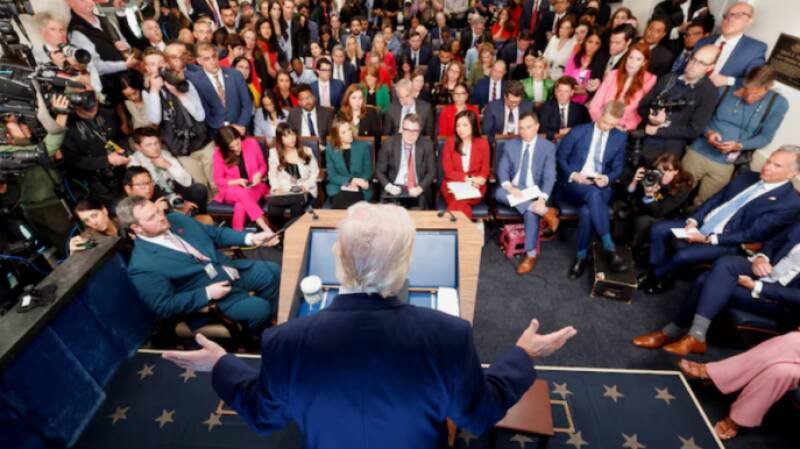
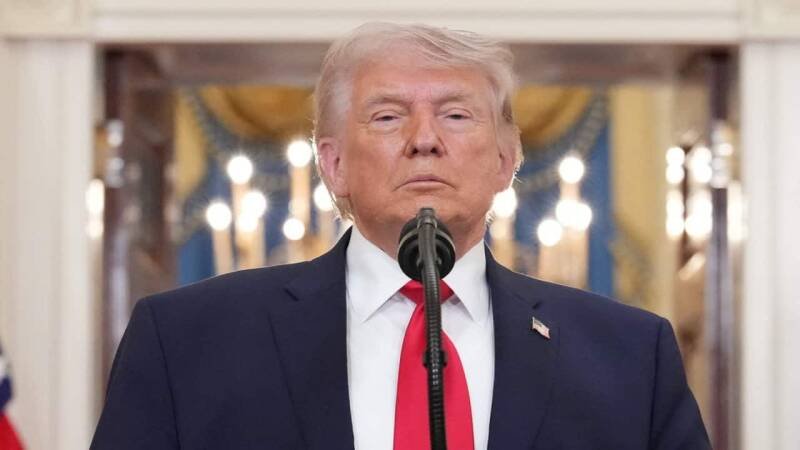
President Trump recently seized upon the successful rescue operation of a downed American airman to reshape public perception of the ongoing, and largely unpopular, conflict with Iran. Speaking publicly on Monday, Trump emphasized the "providential" and "triumphant" nature of the military operation, aiming to project an image of strength and decisive leadership.
This move comes as the five-week-old war continues to face significant public opposition within the United States. By highlighting a seemingly positive outcome – the safe return of an American service member – the administration is attempting to regain lost ground in the court of public opinion.
The Rescue Operation: A Cinematic Narrative
Trump's presentation of the event focused heavily on the dramatic and visually compelling aspects of the rescue. By emphasizing the "cinematic elements," the administration appears to be strategically crafting a narrative that resonates with the public on an emotional level, moving beyond the complex geopolitical realities of the conflict.
Why This News Matters
This event is significant because it reveals the administration's ongoing struggle to garner public support for military action in Iran. The focus on a single, positive event underscores the challenges the administration faces in justifying the broader conflict and highlights the sensitivity of public opinion regarding military interventions. How the public receives this narrative will be key to understanding the administration's capacity to conduct foreign policy in the region.
Our Analysis
In our opinion, this represents a clear attempt to leverage a positive news story to mitigate the negative perception surrounding the conflict with Iran. By focusing on the heroic rescue, the administration hopes to distract from the larger questions about the war's objectives, costs, and potential consequences.
This strategy, while potentially effective in the short term, is unlikely to fundamentally alter public opinion if the underlying issues fueling opposition to the war remain unaddressed. Simply put, a single successful rescue mission doesn't negate broader concerns about the rationale for the war.
Potential Consequences of Trump's Rhetoric
- Increased Polarization: This approach could further polarize public opinion, with supporters embracing the narrative and critics becoming even more skeptical.
- Escalation of Conflict: A reinforced perception of American strength and success could embolden the administration to pursue more aggressive policies in the region.
- Erosion of Trust: If the public perceives the administration as manipulating events for political gain, it could further erode trust in government and the media.
Future Outlook
The long-term impact of this strategy remains to be seen. However, it is likely that the success of this narrative will depend on several factors, including:
- The absence of further negative developments: Any significant setbacks or casualties in the conflict could quickly overshadow the positive narrative of the rescue.
- The ability to sustain a compelling narrative: The administration will need to continue to find ways to frame the conflict in a positive light, which may prove difficult given the inherent complexities and potential dangers of military action.
- The response from the international community: International support or condemnation of the conflict will also play a significant role in shaping public opinion.
This could impact future military actions. If the public continues to be highly critical of the war, the administration may face increasing pressure to de-escalate or seek a diplomatic resolution.
Ultimately, the success of Trump's gambit will depend on his ability to convince the American public that the war in Iran is both necessary and winnable. The rescue of the airman provides a temporary boost, but it is unlikely to be a long-term solution to the administration's public relations challenge.