Trump Orders Hormuz Strait Blockade: Implications and Analysis
Trump orders a US Navy blockade of the Strait of Hormuz following failed talks with Iran. We analyze the potential consequences and future outlook.
Trump Orders US Navy to Blockade Hormuz Strait: A Deep Dive
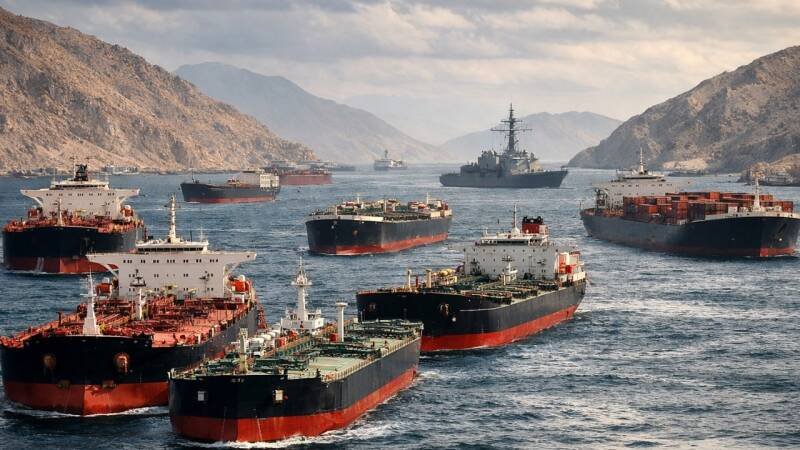
Following the breakdown of talks in Islamabad, former President Donald Trump has reportedly ordered the US Navy to blockade the Strait of Hormuz. This vital waterway, a critical passage for global oil supplies, is now facing potential disruption. This decision, reacting to Iran's continued nuclear program, marks a significant escalation in tensions in the Middle East.
What Happened?
According to initial reports, the order came directly from Trump after negotiations with Iran regarding its nuclear ambitions faltered. The blockade aims to restrict access to the Strait of Hormuz, effectively preventing ships from entering or leaving the Persian Gulf. The exact details of the blockade, including the extent of its enforcement and duration, remain unclear.
Why This News Matters
The Strait of Hormuz is a choke point for global oil trade. A blockade, even a partial one, could have far-reaching consequences:
* **Oil Price Surge:** Reduced oil flow through the Strait will likely lead to a sharp increase in global oil prices, impacting consumers and businesses worldwide.
* **Geopolitical Instability:** This action significantly escalates tensions between the US and Iran, raising the risk of armed conflict in the region.
* **Economic Disruptions:** Disruption to shipping lanes can impact international trade, potentially leading to supply chain issues and economic slowdown.
* **International Relations:** The blockade could strain relations between the US and other countries reliant on Gulf oil, as well as those who oppose unilateral actions.
Our Analysis
In our opinion, this is a highly risky move by the former President. While the stated goal is to pressure Iran to abandon its nuclear program, the potential for unintended consequences is immense. A blockade is an act of aggression and could easily be misconstrued, leading to direct confrontation.
The timing of this order, following failed talks, suggests a hard-line approach aimed at maximum pressure. However, history has shown that such tactics can often backfire, leading to further entrenchment and escalation. The economic impact of a prolonged blockade would be significant, not only for Iran but for the entire global economy.
The reaction from other global powers will be crucial. The US will need to work diligently to garner international support for its actions, but the unilateral nature of the blockade makes this challenging. Countries reliant on Gulf oil may find themselves caught between supporting the US and ensuring their own energy security.
Future Outlook
The future of the Strait of Hormuz is now highly uncertain. Several potential scenarios could unfold:
* **Negotiated Resolution:** Iran could return to the negotiating table under renewed pressure, potentially leading to a resolution of the nuclear issue and the lifting of the blockade. However, this seems unlikely in the short term given the current climate.
* **Escalation to Conflict:** Miscalculations or provocations could lead to a direct military confrontation between the US and Iran, with potentially devastating consequences for the region and beyond.
* **Protracted Standoff:** The blockade could remain in place for an extended period, leading to ongoing economic disruption and heightened tensions. This scenario is the most likely, in our assessment, creating a volatile and unpredictable situation.
The next few days and weeks will be critical in determining the path forward. Diplomatic efforts will be essential to de-escalate the situation and prevent a wider conflict. The world is watching closely, hoping for a peaceful resolution to this dangerous situation.
Impact on Oil Markets
Expect significant volatility in oil markets. Traders will be closely monitoring developments in the Strait of Hormuz, and any indication of further escalation will likely trigger sharp price increases. This could impact everything from gasoline prices at the pump to airline fares.
The Role of International Diplomacy
The involvement of other major powers, such as China and the European Union, will be crucial in mediating a resolution. Their diplomatic efforts could help to bridge the gap between the US and Iran and prevent a further escalation of the conflict.