Trump Issues Ultimatum to Iran: Deal or Face Consequences
President Trump issues a 48-hour ultimatum to Iran regarding a nuclear deal and the Strait of Hormuz, threatening severe repercussions. Understand the implications and future outlook.




President Trump issues a 48-hour ultimatum to Iran regarding a nuclear deal and the Strait of Hormuz, threatening severe repercussions. Understand the implications and future outlook.
In a recent statement, former U.S. President Donald Trump has given Iran a 48-hour ultimatum: either negotiate a deal or open the Strait of Hormuz to international shipping, or face severe consequences. This ultimatum revives earlier, more aggressive rhetoric, including a prior threat to send Iran "back to the stone ages."
Trump's demands are twofold. Firstly, he's pressing Iran to return to the negotiating table and agree to a new nuclear deal. The previous agreement, the Joint Comprehensive Plan of Action (JCPOA), was abandoned by Trump in 2018. Secondly, he's demanding that Iran guarantee free passage through the Strait of Hormuz, a vital waterway for global oil trade.
The Strait of Hormuz is a narrow channel connecting the Persian Gulf to the Gulf of Oman and the Arabian Sea. A significant portion of the world's oil supply passes through it, making it a strategically important chokepoint. Any disruption to shipping in this area could have significant global economic repercussions.
This ultimatum raises several critical concerns. Escalating tensions between the U.S. and Iran could destabilize the entire Middle East. Any military conflict could have far-reaching consequences, affecting global oil prices, international trade, and regional security.
Moreover, the breakdown of negotiations could further isolate Iran, potentially leading to increased domestic unrest and the pursuit of nuclear weapons. A nuclear-armed Iran would dramatically alter the geopolitical landscape of the region and beyond.
In our opinion, Trump's ultimatum appears to be a high-stakes gamble. While it aims to pressure Iran into making concessions, it also carries a significant risk of backfiring. Iran may see this as an act of aggression and respond defiantly, further escalating the conflict. The aggressive tone may make diplomatic solutions even more difficult to achieve.
Furthermore, it's essential to consider the current political climate within Iran. Hardliners may seize this opportunity to strengthen their position and reject any attempts at negotiation. This could further complicate efforts to find a peaceful resolution.
The timing of this ultimatum is also noteworthy. With various global crises unfolding, adding another potential conflict could stretch diplomatic resources and create even greater instability.
The next 48 hours are crucial. How Iran responds will determine the direction of U.S.-Iran relations. Several possible scenarios could unfold:
In our view, the most likely outcome is a stalemate. Iran is unlikely to completely concede to Trump's demands within such a short timeframe. However, the possibility of a miscalculation or unintended escalation remains a significant concern.
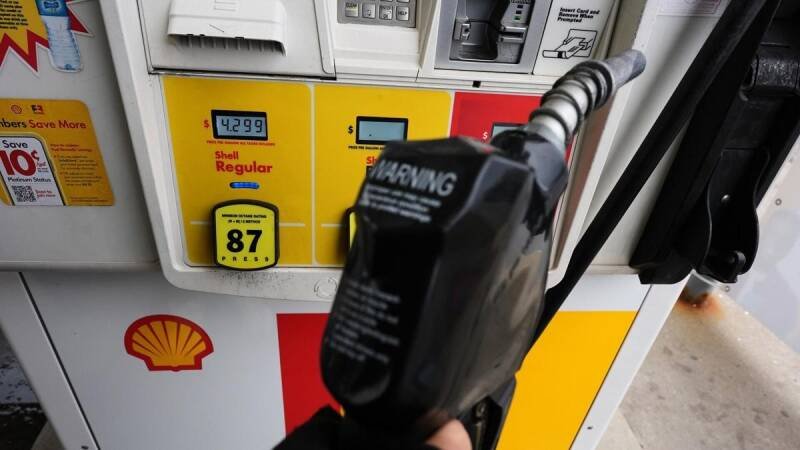
This could impact global markets. Any perceived threat to the Strait of Hormuz could cause oil prices to spike, affecting consumers and businesses worldwide. Investors should closely monitor the situation and prepare for potential market volatility.
Ultimately, de-escalation and diplomacy are essential to preventing a dangerous and costly conflict. The international community must play a role in facilitating dialogue and finding a peaceful resolution to this complex situation.