Tribal Gas Stations Offer Relief from High Gas Prices During Iran War
Discover how tribal gas stations are providing a much-needed break from soaring gas prices amid the Iran war, offering significant savings, especially in states like California and Oklahoma.
Tribal Gas Stations Offer Relief as Iran War Drives Prices Sky High
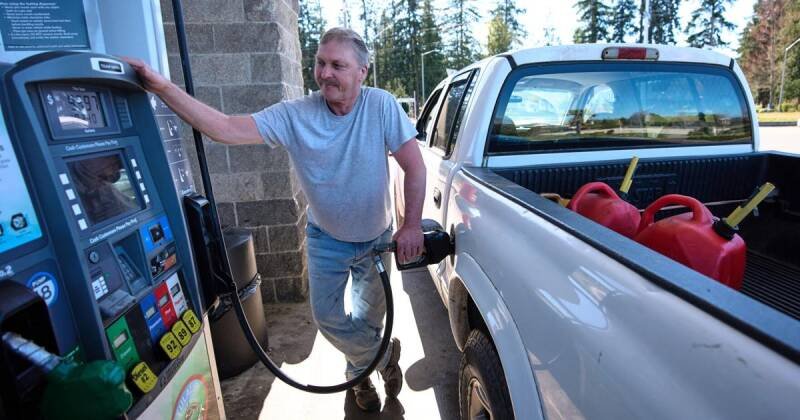
As global tensions surrounding the Iran war continue to escalate, one of the most immediate impacts felt by everyday people is the relentless surge in gas prices. But amidst this economic squeeze, a beacon of hope emerges: tribally owned gas stations. These stations, particularly prevalent in states like California, New Mexico, New York, Oklahoma, and Washington, are offering drivers a much-needed reprieve thanks to their exemption from state fuel taxes.
Understanding the Price Difference
The key advantage of these tribal gas stations lies in their unique legal status. As sovereign nations, tribal governments often have agreements with states that exempt them from certain taxes, including state fuel taxes. This tax exemption translates directly into lower prices at the pump for consumers. While the exact savings vary depending on the location and the specific agreements in place, drivers can often save a significant amount per gallon compared to traditional gas stations.
For example, imagine filling up a 15-gallon tank. If the state fuel tax is $0.50 per gallon, you could save $7.50 at a tribal gas station. Over time, these savings can add up significantly, especially for those who drive frequently or own gas-guzzling vehicles.
Why This News Matters
The rise in gas prices triggered by the Iran war disproportionately affects low-income families and those who rely on their vehicles for work. The availability of lower-priced fuel at tribal gas stations offers a critical lifeline to these communities, allowing them to allocate their limited resources to other essential needs like food and housing. The tribal gas stations are providing an essential service, helping those most vulnerable to absorb the economic shockwaves of international conflicts.
Moreover, this situation highlights the economic importance of tribal sovereignty and the benefits it can bring to both tribal communities and the wider population. It serves as a reminder of the diverse economic landscape within the United States and the potential for innovative solutions to address economic challenges.
Our Analysis
In our opinion, the role of tribal gas stations in mitigating the impact of high gas prices is a testament to the resilience and resourcefulness of tribal communities. It demonstrates how unique governmental structures can create opportunities to benefit both tribal members and the general public. This situation also underscores the need for greater awareness and understanding of tribal sovereignty and its economic implications.
However, it's crucial to note that access to tribal gas stations is not universal. Their geographic distribution is limited, and not all drivers have convenient access to them. Furthermore, the long-term sustainability of this price advantage depends on the ongoing agreements between tribal governments and state authorities. Any changes to these agreements could significantly impact the price differential at the pump. This could impact vulnerable people who rely on the lower prices to get by.
Future Outlook
Looking ahead, several factors could influence the future role of tribal gas stations in managing gas prices:
- Geopolitical Stability: The duration and intensity of the Iran war will continue to be a primary driver of global oil prices.
- Government Policies: State and federal policies regarding fuel taxes and tribal sovereignty will play a critical role in shaping the long-term price advantage of tribal gas stations.
- Infrastructure Development: The expansion of tribal gas station networks could potentially increase access for a wider range of drivers.
- Alternative Fuels: The increasing adoption of electric vehicles and other alternative fuels could gradually reduce the overall reliance on gasoline, potentially diminishing the relative importance of price differences at the pump.
In conclusion, while tribal gas stations offer a valuable source of relief from high gas prices in the short term, the long-term impact will depend on a complex interplay of geopolitical, economic, and political factors. It remains to be seen whether this unique solution can continue to provide affordable fuel options in the face of evolving energy landscapes. We will continue to monitor this situation and provide updates as developments unfold.