Treating Insect Bites and Stings: Expert Advice & What You Need to Know
Learn the best ways to treat insect bites and stings from mosquitoes, ticks, spiders, and midges. Get expert advice and understand the growing concern of these bites closer to home.
Treating Insect Bites and Stings: Expert Advice You Need
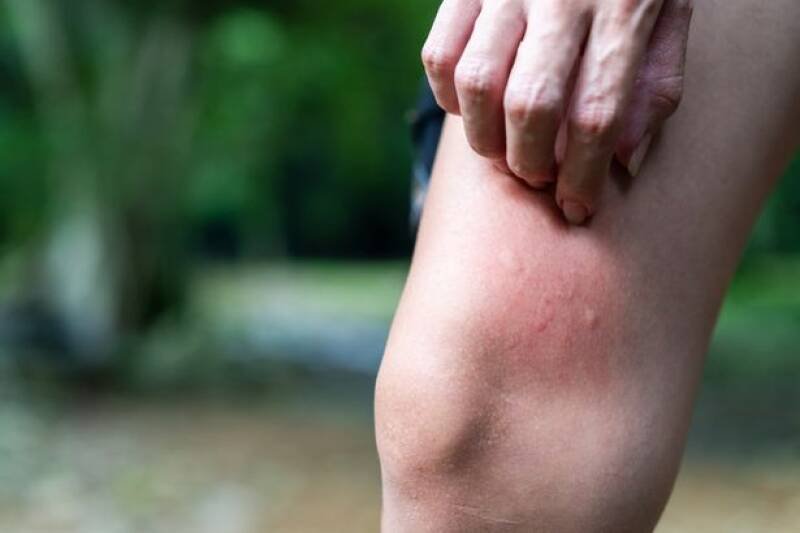
Insect bites and stings are becoming more than just a holiday annoyance. With changing climates and expanding insect populations, we're seeing more bites and stings from mosquitoes, midges, ticks, and even spiders right here at home. A leading doctor has shared their expert advice on how to treat these bites and stings effectively.
Understanding the Problem
Previously considered travel-related concerns, insect bites and stings are now a common issue in many regions. Warmer temperatures and increased humidity create ideal breeding grounds for insects, leading to larger populations and more frequent encounters with humans.
Expert Recommended Treatment
While specific treatments can vary depending on the insect involved, some general guidelines apply. Here's what the doctor recommends:
- Wash the area: Gently wash the bite or sting site with soap and water to prevent infection.
- Apply a cold compress: This helps reduce swelling and itching. Use a clean cloth soaked in cold water.
- Avoid scratching: Scratching can break the skin, increasing the risk of infection.
- Antihistamines: Over-the-counter antihistamine creams or tablets can help relieve itching and allergic reactions.
- Pain relievers: If the bite or sting is painful, consider taking an over-the-counter pain reliever like ibuprofen or acetaminophen.
Specific Bite Considerations
While the general guidelines apply, certain bites require special attention:
- Tick Bites: Ticks can transmit diseases like Lyme disease. Carefully remove the tick using fine-tipped tweezers, grasping it as close to the skin as possible. Clean the area thoroughly afterward. Monitor for symptoms like a rash or flu-like illness and seek medical attention if they develop.
- Spider Bites: Most spider bites are harmless. However, some spiders, like black widows, can cause serious symptoms. If you suspect a bite from a venomous spider, seek immediate medical attention.
- Severe Allergic Reactions: Some people are severely allergic to insect stings. Symptoms of anaphylaxis include difficulty breathing, wheezing, swelling of the face or throat, and dizziness. Use an epinephrine auto-injector (EpiPen) if prescribed and call emergency services immediately.
Why This News Matters
This news is important because it highlights the increasing prevalence of insect bites and stings in our everyday lives. It's no longer just a holiday concern. Knowing how to properly treat these bites can prevent complications, reduce discomfort, and potentially save lives, especially in cases of allergic reactions or tick-borne illnesses.
Our Analysis
In our opinion, the increasing frequency of insect bites and stings underscores the need for greater awareness and preventative measures. Public health initiatives focused on mosquito and tick control, as well as education on bite prevention and treatment, are crucial. We believe that individuals should also take personal responsibility by using insect repellent, wearing protective clothing, and being mindful of their surroundings, especially in areas known to have high insect populations.
Future Outlook
The trend of increasing insect populations and expanding geographic ranges is likely to continue due to climate change and other environmental factors. This could impact public health significantly, leading to a greater burden on healthcare systems. Future research should focus on developing more effective repellents and treatments, as well as understanding the long-term health consequences of insect-borne diseases. We also anticipate seeing increased use of technology, such as wearable devices that repel insects or apps that identify potential risks, to mitigate the problem.