Travelers Embrace AI Booking, But Demand Transparency and Control
New study reveals travelers are open to using AI for booking trips, but trust and control are key. Learn about the future of AI travel and its impact.
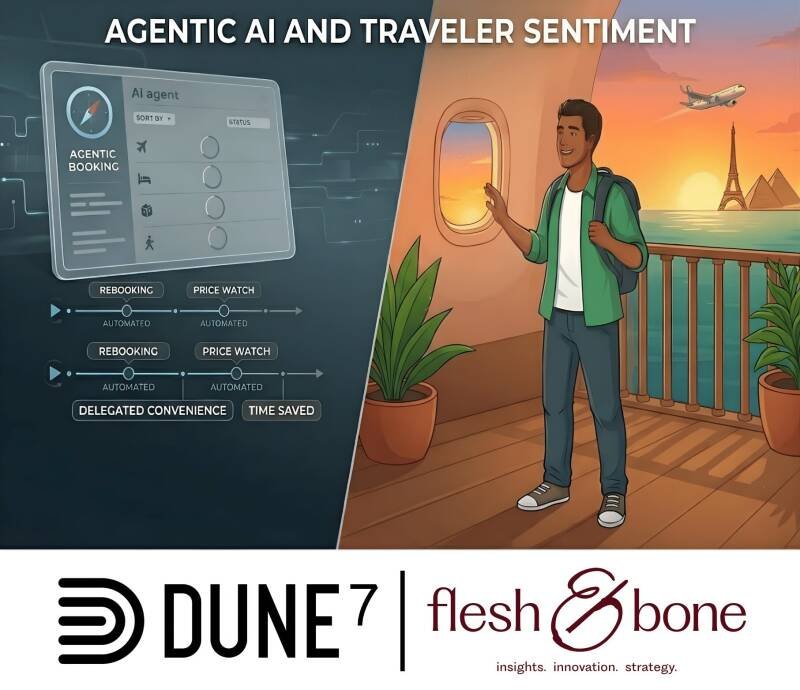



New study reveals travelers are open to using AI for booking trips, but trust and control are key. Learn about the future of AI travel and its impact.
The research highlights a significant shift in consumer behavior. Previously, travelers might have been hesitant to rely on automated systems. Now, as AI becomes more sophisticated and integrated into various aspects of life, there’s a growing acceptance of its potential in travel planning. This acceptance is contingent on clear "guardrails" – understandable rules and processes that govern the AI's decision-making.
Without these elements, the benefits of AI – such as speed and personalized recommendations – are overshadowed by concerns about privacy, accuracy, and a lack of personal touch. In our opinion, travel companies need to prioritize building trust and empowering users to maintain control if they want to successfully integrate AI into their booking platforms.
This research is significant for several reasons. It provides valuable insights into the evolving expectations of travelers in the age of AI. Travel companies can use this data to tailor their AI-powered services to meet the specific needs and concerns of their customers. Ignoring these insights could lead to a decline in customer satisfaction and a loss of market share.
Moreover, the study underscores the importance of ethical considerations in AI development. As AI becomes more integrated into our lives, it's crucial to ensure that it is used responsibly and in a way that benefits all stakeholders, including travelers, travel agents, and travel companies.
The study’s findings align with the broader trend of consumers demanding greater transparency and control in their interactions with AI. People are no longer willing to simply accept AI’s recommendations at face value. They want to understand the underlying logic and have the ability to influence the outcome. This is particularly important in the travel industry, where personal preferences and emotional factors play a significant role in decision-making.
We believe that successful AI-powered travel platforms will be those that strike a balance between automation and human intervention. They will provide personalized recommendations based on data analysis, but they will also allow users to customize their itineraries, ask questions, and receive support from human travel agents when needed.
Looking ahead, we anticipate that AI will continue to play an increasingly important role in the travel industry. As AI technology evolves and becomes more sophisticated, we can expect to see even more innovative applications, such as:
However, the success of these applications will depend on addressing the concerns about trust and control that are highlighted in the study. Travel companies that prioritize transparency, user empowerment, and ethical considerations will be best positioned to thrive in the age of AI. This could impact smaller agencies that don't have the resources to compete with larger companies investing heavily in AI.