Travel Loyalty Programs: Are Rewards Turning into Risks?
Explore the dark side of travel loyalty programs! Learn how rewards can backfire and strategies to avoid car rental rage and other loyalty traps.



Explore the dark side of travel loyalty programs! Learn how rewards can backfire and strategies to avoid car rental rage and other loyalty traps.
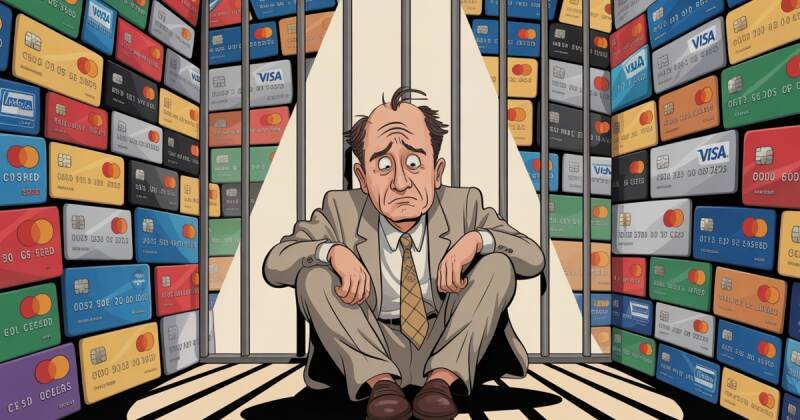
We all love the idea of free flights, discounted hotels, and easy car rentals. Travel loyalty programs dangle these carrots, promising a world of perks in exchange for our unwavering dedication. But lately, a growing number of travelers are finding themselves trapped in a web of devalued points, hidden fees, and outright frustration. The dream of effortless travel is turning into a nightmare of fine print and unexpected costs.
The latest battleground in the travel loyalty war? Car rentals. Stories are surfacing of customers facing unexpected charges, limited vehicle availability, and confusing reward redemption processes. This "car rental rage" is just the tip of the iceberg, highlighting a deeper issue within the entire travel rewards ecosystem.
The problems extend beyond car rentals. Airlines are notorious for devaluing their miles, meaning that the dream trip you were saving for suddenly requires significantly more points. Hotels, too, can play games with availability, making it difficult to redeem points for desirable rooms during peak seasons. What was once a perk becomes a hassle, leaving travelers feeling cheated and disillusioned.
This news matters because it affects millions of travelers who participate in loyalty programs. It's a wake-up call to be more cautious and informed about the terms and conditions of these programs. The potential for unexpected costs and frustrations can significantly diminish the value of travel rewards, turning what should be a perk into a burden.
In our opinion, the increasing instances of "car rental rage" and other loyalty program issues are symptomatic of a larger trend: the devaluation of loyalty and the prioritization of profit margins over customer satisfaction. Companies are constantly tweaking their programs to maximize their own benefits, often at the expense of their loyal customers. This creates a climate of distrust and erodes the perceived value of these programs.
Furthermore, the complexity of these programs is often by design. Buried within pages of fine print are clauses that allow companies to change the rules on a whim, leaving consumers with little recourse. It's easy to accumulate points, but redeeming them for meaningful rewards can be a frustrating and time-consuming process.
Despite these challenges, travel loyalty programs can still offer value if approached strategically. Here are a few tips to protect yourself:
The future of travel loyalty programs is uncertain. We believe that consumers will become increasingly wary of programs that prioritize profit over customer satisfaction. This could lead to a shift towards more transparent and flexible loyalty schemes that offer genuine value. It is likely we will see greater consumer activism and potentially even regulatory scrutiny of these programs.
This could impact how travel companies structure their loyalty offerings, forcing them to be more transparent and customer-centric. Companies that fail to adapt to these changing expectations risk losing their most valuable asset: customer loyalty.
Ultimately, the key to success in the travel loyalty game is to be an informed and strategic consumer. By understanding the risks and taking proactive steps to protect your interests, you can still reap the rewards of these programs without falling victim to the loyalty trap.
























