Toronto Weather: Rainy Week with Unexpected Warmth - What It Means for You
Toronto faces a rainy week, but with unusually warm temperatures. Discover the impact on your daily life and future weather patterns.
Toronto Weather: Rainy Week Brings Unexpected Warmth
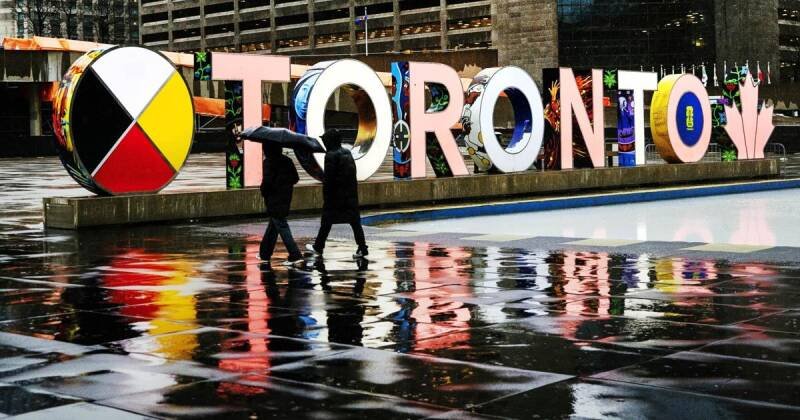
Toronto residents should prepare for a wet week ahead. While consistent rainfall is expected, there's a surprising twist: temperatures are predicted to hover around a relatively warm 20°C. This mix of rain and warmth presents a unique weather scenario for the city.
What to Expect This Week
The forecast indicates mostly overcast skies and muggy conditions. Don't expect much sunshine. The good news is that the temperatures are expected to remain stable around 20°C, which is double the typical highs.
Why This News Matters
This unusual weather pattern has implications beyond just what to wear each day. The combination of consistent rain and unusually warm temperatures could impact several areas:
* **Public Health:** Increased humidity can exacerbate respiratory issues. The warm, damp conditions are also ideal for mosquito breeding, potentially increasing the risk of mosquito-borne illnesses.
* **Infrastructure:** Persistent rain can strain the city's drainage systems, potentially leading to localized flooding.
* **Agriculture and Gardens:** While rain is generally beneficial for plants, excessive rain can damage crops and gardens. The warmth may accelerate growth, but the lack of sunshine could hinder optimal development.
* **Energy Consumption:** The higher temperatures may delay the need for heating in some households, slightly reducing energy consumption.
Our Analysis
The combination of rain and warmth is definitely unusual. While it's tempting to simply enjoy the relatively mild temperatures, it's important to consider the underlying factors that might be contributing to this weather pattern.
In our opinion, climate change is likely playing a role in the increased frequency of these unpredictable weather events. Warmer global temperatures can lead to more moisture in the atmosphere, resulting in heavier rainfall. At the same time, shifts in weather patterns can disrupt seasonal norms, leading to unseasonably warm conditions.
This could impact long-term weather trends in Toronto, and we feel residents need to consider how such shifts impact their daily lives.
Possible Contributing Factors
* **Climate Change:** As mentioned, rising global temperatures contribute to increased atmospheric moisture and altered weather patterns.
* **El Niño/La Niña:** These climate patterns in the Pacific Ocean can influence weather conditions around the world.
* **Jet Stream Fluctuations:** Changes in the jet stream can bring warm air masses further north and disrupt typical weather patterns.
Future Outlook
Looking ahead, it's crucial to monitor long-term weather trends in Toronto and develop strategies to adapt to changing climate conditions.
* **Infrastructure Improvements:** Investing in improved drainage systems and flood control measures is essential to mitigate the impact of heavy rainfall.
* **Public Health Preparedness:** Public health officials should prepare for potential increases in respiratory illnesses and mosquito-borne diseases.
* **Sustainable Practices:** Adopting sustainable practices, such as reducing carbon emissions and conserving water, can help to address the underlying causes of climate change.
* **Increased Weather Monitoring:** More robust weather monitoring and forecasting systems can provide early warnings of extreme weather events.
While we can't predict the future with certainty, the current weather pattern serves as a reminder of the increasing need to be prepared for the unexpected. It is our opinion that a proactive approach to adapting to changing climate conditions is crucial for ensuring the long-term well-being of Toronto and its residents.