The 25th Amendment: Unveiling the Architect and Why It Matters Today
Discover the story behind the 25th Amendment, its crucial role in presidential succession, and insights from its original author. Learn why this amendment is more relevant than ever.
The Man Behind the 25th Amendment: Still With Us and Still Relevant
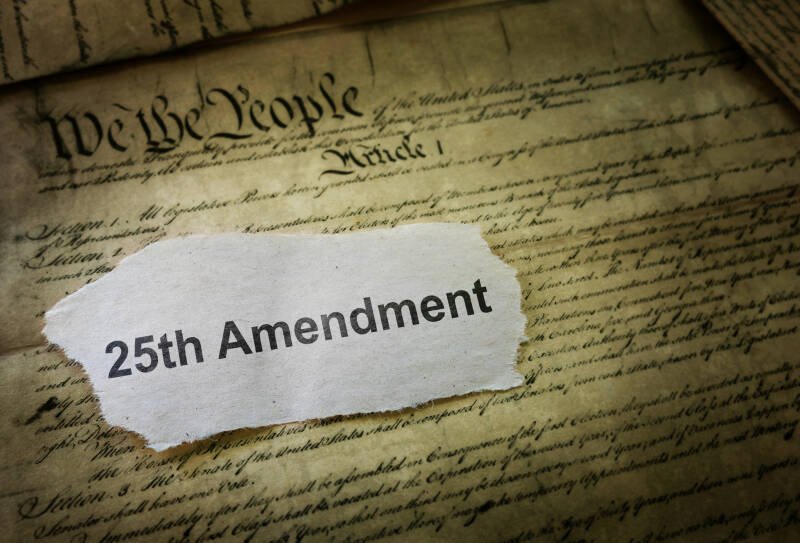
Have you ever wondered who crafted the 25th Amendment to the U.S. Constitution? This amendment, dealing with presidential succession and disability, plays a critical role in ensuring stable governance. It turns out the principal author, Professor John Feerick, is still alive and teaching at Fordham Law School. This provides a unique opportunity to understand the intent and complexities of this vital piece of legislation.
The Genesis of the 25th Amendment
The 25th Amendment, ratified in 1967, addresses a gray area that had plagued American politics for years: what happens when a president is unable to fulfill their duties due to death, resignation, removal from office, or disability? Prior to this amendment, the rules were ambiguous and open to interpretation, leading to potential crises.
Think about it: Before, the Vice President would take over as *acting* president, which created uncertainty. What if the President recovered? Would the VP have to relinquish power? The 25th Amendment clarified this process, ensuring a clear line of succession and a mechanism for determining presidential incapacity. Senator Birch Bayh was also a key figure in championing the amendment's passage through Congress.
Why This News Matters
In today's political climate, understanding the 25th Amendment is more crucial than ever. With concerns about the health and fitness of elected officials frequently in the news, knowing the procedures for presidential succession and disability is essential for informed citizenship. This amendment provides a framework for navigating potential crises and maintaining stability within the executive branch.
Furthermore, the fact that Professor Feerick, a key architect of the amendment, is still available to offer his insights provides invaluable context for interpreting its provisions. His understanding of the original intent and potential applications can help guide policymakers and legal scholars in addressing contemporary challenges.
Our Analysis
The 25th Amendment is not just a historical document; it's a living instrument of governance. Its provisions regarding presidential disability, in particular, are subject to ongoing debate and interpretation. The process for determining when a president is unable to discharge the powers and duties of their office is complex and requires careful consideration of medical, legal, and political factors.
In our opinion, the amendment's focus on a clear process for succession is vital for maintaining a functioning democracy. The absence of such a mechanism could lead to chaos and uncertainty during times of crisis. However, the disability clause continues to be a point of contention. The ambiguity surrounding the definition of "inability" and the process for invoking the clause raises concerns about potential political manipulation. This could impact the stability of the government if used improperly.
The Importance of Clear Procedures
The 25th Amendment seeks to prevent a repeat of historical situations where the line of succession was unclear. For example, the assassination of President James A. Garfield in 1881 highlighted the need for a clear process for transferring power when a president is incapacitated. The amendment addresses this by providing a mechanism for the Vice President to temporarily assume the presidency if the President is unable to fulfill their duties.
Future Outlook
As we move forward, the 25th Amendment will likely continue to be a subject of discussion and debate. The interpretation and application of its provisions will depend on the specific circumstances of each situation. It is essential that policymakers, legal scholars, and the public engage in informed discussions about the amendment's role in ensuring stable governance.
Looking ahead, it's possible we'll see further legal challenges and interpretations of the 25th Amendment, especially concerning the disability clause. Courts may be asked to clarify the criteria for determining presidential incapacity and the procedures for invoking the amendment. Continuous evaluation and adjustment will be vital to ensuring this amendment continues to serve the needs of the nation.
Ultimately, the 25th Amendment serves as a reminder of the importance of planning for unforeseen circumstances and ensuring a smooth transition of power. It is a testament to the foresight of its authors and a crucial safeguard for American democracy.