Thaksin Shinawatra Parole: What It Means for Thailand
Former Thai PM Thaksin Shinawatra approved for parole review. We break down what this means for Thai politics and the future of the country.
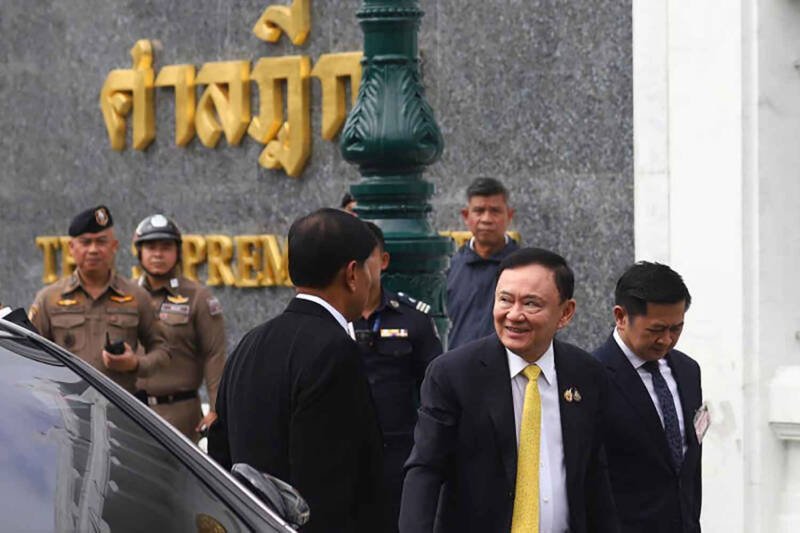



Former Thai PM Thaksin Shinawatra approved for parole review. We break down what this means for Thai politics and the future of the country.
Former Thai Prime Minister Thaksin Shinawatra's potential release from prison is making headlines. He's now on a list of ten inmates whose cases are being reviewed for parole. This review, approved at the prison level, opens the door for his possible release as early as May, potentially under an electronic monitoring system.
The parole process in Thailand, like in many countries, is designed to allow certain inmates to reintegrate into society before the end of their full sentence. Several factors are considered, including good behavior in prison, the nature of the crime committed, and the inmate's health. In Thaksin's case, reports suggest his age and health issues have likely played a role in his eligibility.
Electronic monitoring, often involving an ankle bracelet, allows authorities to track an individual's movements while they are out of prison. This provides a level of supervision and helps ensure the parolee adheres to the conditions of their release.
Thaksin Shinawatra's case is far from a simple matter of prison procedure. He remains a highly influential, albeit divisive, figure in Thai politics. His family's political party, Pheu Thai, is currently in power, and his potential return to public life could significantly reshape the political landscape. Even under electronic monitoring, his presence could galvanize supporters and opponents alike.
This news impacts:
In our opinion, while the parole decision appears to be based on legal and procedural grounds, the political implications are undeniable. Thaksin's supporters see him as a victim of political persecution, and his release would be seen as a victory. Conversely, his opponents view him as a symbol of corruption and abuse of power, and his release could reignite old grievances.
The use of electronic monitoring is a crucial aspect of this potential release. It aims to balance Thaksin's right to freedom with the need to ensure public safety and adherence to the law. Whether this system will be effective in preventing any political interference or perceived manipulation remains to be seen.
Public opinion on Thaksin remains deeply divided. His rural support base still views him favorably, while many in the urban middle class harbor deep reservations. Any decision regarding his parole will be closely scrutinized by the public and the media, potentially further polarizing the political climate.
The coming weeks will be critical as the parole review process unfolds. The decision made will have far-reaching consequences for Thailand's political future.
Here's what we anticipate:
This could impact the stability of the current government. If Thaksin is released and actively engages in politics, it could strengthen the ruling Pheu Thai party. However, it could also trigger protests and calls for political reform, leading to instability.
Ultimately, the Thaksin Shinawatra parole case highlights the complex interplay between law, politics, and public sentiment in Thailand. It serves as a reminder of the enduring influence of the Shinawatra family on Thai society and the challenges of navigating a deeply divided political landscape.