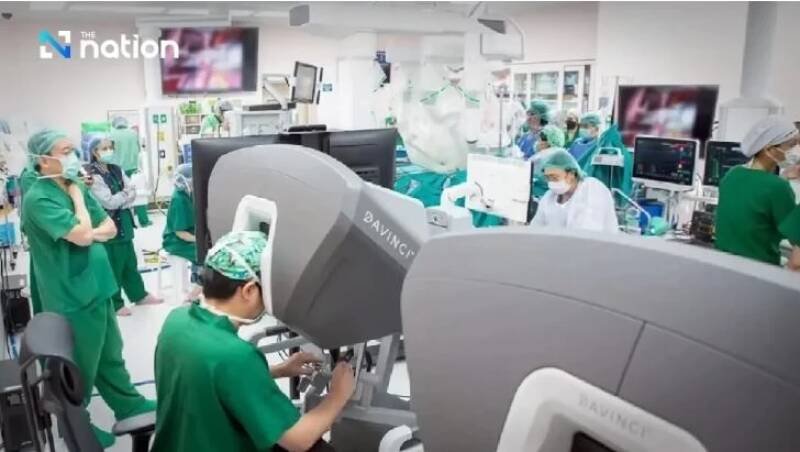
Thailand Performs First Robot-Assisted Heart Surgeries: What It Means for Healthcare
Thailand achieves a medical milestone with its first robot-assisted heart surgeries. This article breaks down the significance, potential impact, and future of this advancement.
Thailand Achieves Medical Milestone: First Robot-Assisted Heart Surgeries
Thailand has officially entered a new era of medical innovation by successfully performing its first two robot-assisted heart surgeries. Dr. Nutthapong Wongwiwat, Director-General of the Department of Medical Services, announced the achievement, highlighting the department's commitment to advancing high-value medical services as a key driver of the Thai economy.
Details of the Breakthrough
While specific details about the patients or the types of heart conditions treated haven't been released, the successful completion of these surgeries marks a significant leap forward for Thailand's healthcare system. It signifies the country's ability to adopt and implement cutting-edge technology in complex medical procedures.
Why This News Matters
This accomplishment is more than just a medical success story. It has far-reaching implications for several key areas:
- Enhanced Patient Care: Robot-assisted surgery often leads to smaller incisions, reduced blood loss, shorter hospital stays, and faster recovery times for patients. This translates to a better overall patient experience.
- Attracting Medical Tourism: Thailand is already a popular destination for medical tourism. Offering advanced procedures like robot-assisted heart surgery can further solidify its position as a leading medical tourism hub in Southeast Asia.
- Economic Growth: The Department of Medical Services explicitly stated its intention to use high-value medical services as a new economic engine. By investing in and promoting these services, Thailand aims to attract foreign investment, create jobs, and boost the overall economy.
- Advancement of Medical Expertise: Performing these complex surgeries requires specialized training and expertise. This initiative will drive the development of a highly skilled medical workforce in Thailand.
Our Analysis
In our opinion, Thailand's foray into robot-assisted heart surgery is a strategic move with considerable potential. The Thai government recognizes the growing demand for sophisticated medical treatments and is positioning the country to meet that demand. This could impact the healthcare landscape in Southeast Asia, making Thailand a more attractive destination for patients seeking advanced medical care.
However, the long-term success of this initiative will depend on several factors, including:
- Accessibility: Making these advanced procedures accessible to a wider segment of the population, not just those who can afford it.
- Cost-Effectiveness: Balancing the cost of the technology with the benefits it provides to ensure it remains a viable option.
- Infrastructure Development: Investing in the necessary infrastructure, including training programs and equipment maintenance, to support the ongoing use of robotic surgery.
Future Outlook
Looking ahead, we anticipate that Thailand will continue to invest in and expand its robot-assisted surgery program. This could involve introducing the technology to other medical specialties, such as urology, gynecology, and general surgery. We also expect to see increased collaboration between Thai medical institutions and international experts to further enhance their capabilities.
This development comes at a time when Thailand is also grappling with other pressing issues, such as air pollution and rising living costs. The government's ability to address these challenges while simultaneously promoting medical innovation will be crucial for its overall success.
Overall, the successful completion of these first robot-assisted heart surgeries is a promising sign for the future of healthcare in Thailand. It demonstrates the country's commitment to innovation and its potential to become a leader in medical tourism and high-value medical services. This could impact the lives of countless patients and contribute significantly to the Thai economy.