Supreme Court Ruling on Conversion Therapy: What it Means for LGBTQ+ Youth
The Supreme Court has ruled against Colorado's ban on conversion therapy. Learn what this means for LGBTQ+ youth, the legal arguments, and future implications.
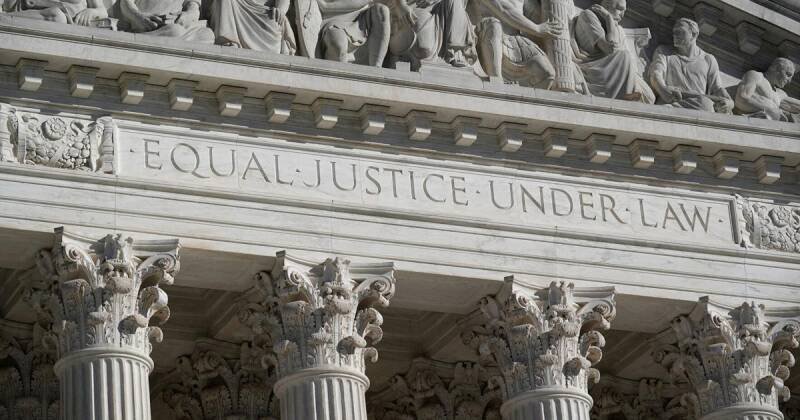



The Supreme Court has ruled against Colorado's ban on conversion therapy. Learn what this means for LGBTQ+ youth, the legal arguments, and future implications.
In a recent decision, the Supreme Court sided against a Colorado law that prohibited "conversion therapy" on LGBTQ+ minors. This controversial practice, which aims to change an individual's sexual orientation or gender identity, is widely discredited by medical and psychological professionals.
This ruling has sparked considerable debate and concern within the LGBTQ+ community and among advocacy groups, as it potentially weakens protections for vulnerable youth.
Conversion therapy encompasses a range of techniques, often rooted in religious or moral beliefs, that attempt to alter a person's sexual orientation or gender identity. These methods can include counseling, behavioral modification, and even more extreme interventions. Major medical and psychological organizations, such as the American Psychological Association, have condemned conversion therapy, citing its lack of scientific basis and the potential for severe psychological harm.
The practice has been linked to increased rates of depression, anxiety, substance abuse, and even suicide attempts among LGBTQ+ youth. Many consider it to be a form of abuse.
Colorado was one of the states that had implemented a ban on licensed therapists from performing conversion therapy on minors. The law was intended to protect LGBTQ+ youth from the potential harm associated with this practice. However, opponents challenged the ban, arguing that it violated the First Amendment rights of therapists to free speech.
The Supreme Court's decision, while not explicitly striking down all conversion therapy bans nationwide, sets a concerning precedent that could make it more difficult for states to protect LGBTQ+ youth from this harmful practice.
This ruling is significant because it could open the door for conversion therapy to continue in states where it's currently banned. More importantly, it sends a message to LGBTQ+ youth that their identities are not valued or protected to the fullest extent of the law. This could have a devastating impact on their mental health and well-being.
This decision underscores the ongoing battle for LGBTQ+ rights in the United States and highlights the vulnerability of young people who may be subjected to harmful and ineffective practices.
In our opinion, this ruling is a setback for LGBTQ+ rights and a potential danger to vulnerable youth. While the court may have focused on the free speech aspect of the case, the potential harm that conversion therapy inflicts cannot be ignored. The ruling risks prioritizing the "rights" of practitioners over the well-being of children and adolescents. The scientific consensus is clear: conversion therapy is harmful and ineffective.
The legal argument centered around the First Amendment is complex, but it's crucial to balance free speech rights with the need to protect vulnerable populations from demonstrably harmful practices. In this case, it appears the court may have given too much weight to the former, potentially at the expense of the latter.
The Supreme Court's decision doesn't necessarily mean the end of all conversion therapy bans. States may still be able to regulate the practice in other ways, such as by focusing on the professional conduct of therapists or by enacting consumer protection laws. However, this ruling certainly makes it more challenging to enact and enforce strong protections for LGBTQ+ youth.
Looking ahead, we anticipate increased legal challenges to existing conversion therapy bans. Advocacy groups will likely focus on alternative strategies to protect LGBTQ+ youth, such as promoting education and awareness about the harms of conversion therapy and supporting legislation that protects the rights and well-being of LGBTQ+ individuals. This could impact the landscape of LGBTQ+ rights advocacy and necessitate new, more nuanced approaches to protect vulnerable youth from harmful practices. The future of conversion therapy bans across the country is now uncertain, and further litigation is expected.
























