Stephen Miller's Enduring Influence on Trump's Immigration Policies: A Deep Dive
Explore Stephen Miller's continued role in shaping Trump's immigration agenda, even behind the scenes. Understand the implications and potential future impacts.



Explore Stephen Miller's continued role in shaping Trump's immigration agenda, even behind the scenes. Understand the implications and potential future impacts.
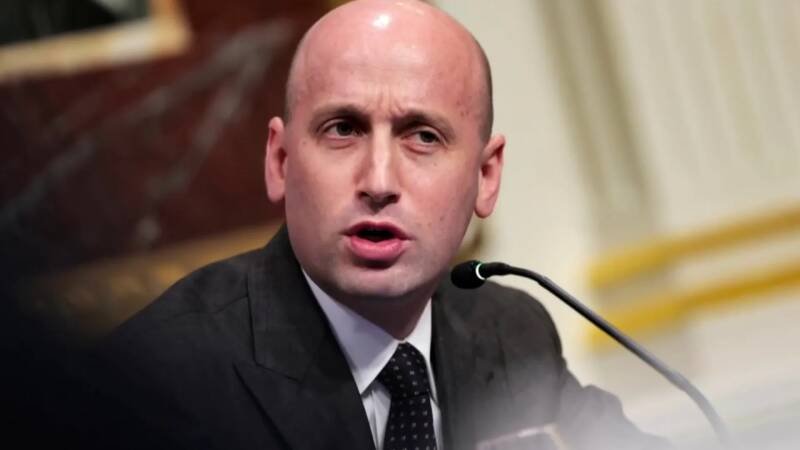
While he may not be in the headlines as often as before, Stephen Miller, a key architect of former President Trump's hardline immigration policies, reportedly remains a significant influence behind the scenes. According to recent reports, including discussions on MSNBC, Miller continues to play a crucial role in shaping Trump's potential future strategies regarding mass deportation and overall immigration control.
For those unfamiliar, Stephen Miller served as a senior advisor to President Trump and was instrumental in crafting some of the administration's most controversial immigration measures. These included the travel ban targeting several Muslim-majority countries, the separation of families at the border, and efforts to restrict legal immigration pathways. His views are often described as nationalist and restrictionist, advocating for significantly reduced immigration levels and stricter enforcement of existing laws.
Despite no longer holding an official position in government, sources suggest Miller's influence persists through his network of contacts and his continued advocacy for these policies. He is believed to be advising Trump and other Republican figures on immigration matters, ensuring that these issues remain at the forefront of the party's agenda.
The continued influence of Stephen Miller is significant for several reasons:
In our opinion, the reports of Stephen Miller's continued influence are concerning. His previous policies were widely criticized for their cruelty and disregard for human rights. The prospect of these policies being revived is deeply troubling.
It's important to remember that policy doesn't exist in a vacuum. It is the result of influence, both public and private. That Miller can apparently still guide policy without an official role shows that influence and access are key in US politics.
Further, Miller's enduring sway highlights the ongoing debate within the Republican Party about the future of immigration policy. While some Republicans may favor a more moderate approach, the strong support for Miller's hardline stance suggests that this faction remains a powerful force.
The future of U.S. immigration policy remains uncertain. Much will depend on the outcome of future elections and the direction of the Republican Party. However, if Trump or a similarly minded candidate were to win office, Miller's ideas would likely play a prominent role in shaping immigration policy.
This could impact everything from border security measures to the pathways available for legal immigration. It is therefore crucial to remain informed and engaged on these issues.
Ultimately, the future of U.S. immigration policy will depend on a complex interplay of political, social, and legal factors. It is a conversation that demands careful consideration and a commitment to finding humane and effective solutions.