Steel Industry Modernization: A Win for Jobs and the Environment in Indiana
A new study reveals how modernizing Indiana steel mills can cut pollution and protect jobs. Learn about the future of steelmaking and the environmental impact.
Indiana Steel Mills: Modernization Key to Future, Study Shows
A recent study from Indiana University sheds light on a crucial path forward for the steel industry in Northwest Indiana, specifically the Calumet Region. The research suggests that investing in modern technologies at local steel mills could significantly reduce pollution, safeguard existing jobs, and ensure the long-term viability of steel production in the area. This is a potentially game-changing development for the region's economy and environment.
The Findings: A Win-Win Scenario
The core of the study highlights that upgrading steel mills with newer, cleaner technologies isn't just an environmental benefit; it's also an economic imperative. By adopting modern processes, these mills can become more efficient, competitive, and sustainable. The study suggests that outdated equipment and processes contribute to both environmental damage and economic vulnerability.
Why This News Matters
This news matters on several fronts:
* **Job Security:** The steel industry is a significant employer in Northwest Indiana. Modernization can protect these jobs against the risk of closures due to inefficiency or tightening environmental regulations.
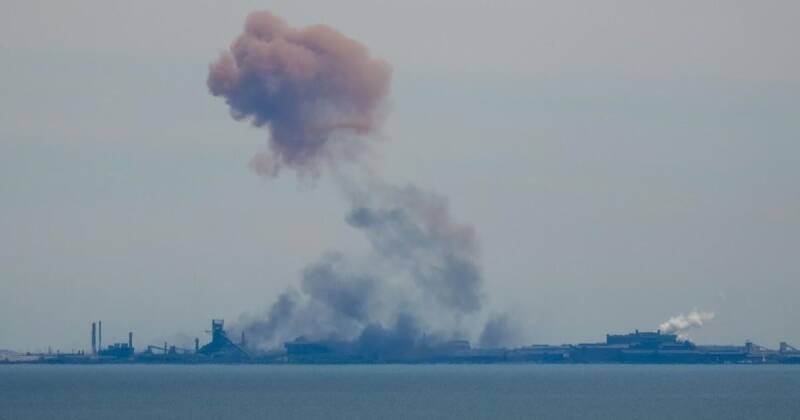
* **Environmental Protection:** Steel production is traditionally a heavily polluting industry. Upgrading to cleaner technologies would drastically reduce emissions and improve air and water quality in the Calumet Region.
* **Economic Growth:** A modernized steel industry can attract new investment and contribute to overall economic growth in the region.
Our Analysis
In our opinion, this study presents a compelling case for prioritizing investment in the modernization of Indiana's steel mills. It's no longer an "either/or" choice between jobs and the environment. This research clearly demonstrates that it’s possible, and indeed necessary, to pursue both simultaneously. Failing to modernize risks leaving these mills behind in an increasingly competitive and environmentally conscious global market. This could impact Indiana’s long-term economic stability.
Furthermore, the study's focus on the Calumet Region is particularly relevant. This area has a long history of industrial activity and has faced significant environmental challenges as a result. Modernizing steel mills in this region would be a major step towards creating a cleaner, healthier environment for its residents.
We believe that government incentives, private investment, and collaboration between industry and researchers are essential to making this modernization a reality.
Future Outlook
The future of the steel industry in Northwest Indiana hinges on the willingness of stakeholders to embrace change and invest in modern technologies. The Indiana University study provides a roadmap for success, but it requires proactive implementation.
Here are some key areas to watch:
* **Policy Initiatives:** Will the Indiana state government implement policies that incentivize steel mill modernization? Tax breaks, grants, and streamlined permitting processes could all play a role.
* **Investment Trends:** Will steel companies themselves invest in upgrading their facilities? The long-term economic benefits of modernization may outweigh the initial costs.
* **Technological Advancements:** Ongoing research and development in clean steelmaking technologies will continue to offer new opportunities for mills to reduce their environmental footprint.
Ultimately, the future of Indiana's steel industry depends on a collective commitment to sustainability and innovation. The potential rewards – a thriving economy and a cleaner environment – are well worth the effort. Modernizing the mills is a vital step toward ensuring Indiana remains a leader in steel production while protecting the health and well-being of its communities.