Staying Safe in Road Work Zones: Why It Matters to You
Road construction is increasing. Learn how to stay safe in work zones, understand the risks, and the impact on your community. Safety tips and future outlook included.



Road construction is increasing. Learn how to stay safe in work zones, understand the risks, and the impact on your community. Safety tips and future outlook included.
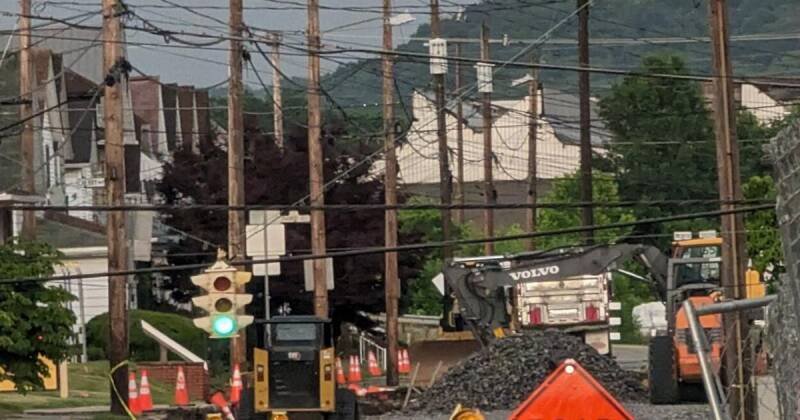
As the weather warms up and spring arrives, road construction season is officially here. That means more orange cones, flashing lights, and road workers are out on our highways and local streets. CNHI Editorial recently reminded us about the importance of being extra cautious around these work zones, and for good reason. Our neighbors are out there trying to improve our roads, and their safety depends on us.
The shift from winter's icy grip to spring's blooming landscapes brings with it a surge in road repair and construction projects. This increased activity, while ultimately beneficial for our infrastructure, also presents a significant risk. More work zones mean more potential for accidents involving drivers, pedestrians, and construction workers. We all need to be aware of the dangers and take proactive steps to stay safe.
Staying safe in road work zones doesn't require much effort, but it does demand attention and responsibility. Here are some key things to keep in mind:
The CNHI Editorial's reminder isn't just about being polite; it's about saving lives. Road work zones are inherently dangerous environments, and accidents can have devastating consequences. Failing to heed safety precautions can lead to serious injuries or even fatalities, both for construction workers and drivers. Moreover, accidents within work zones can cause significant traffic delays and disruptions, impacting the entire community. A little extra caution can prevent tragedies and keep our roads flowing smoothly.
In our opinion, the emphasis on road work zone safety is more critical than ever. As infrastructure ages and populations grow, the need for road maintenance and upgrades increases. This means we'll likely see even more construction activity in the coming years. Therefore, promoting awareness and responsible driving habits within work zones is essential for protecting everyone's safety. It's not just the responsibility of individual drivers but also of local governments and construction companies to ensure work zones are clearly marked and safety protocols are strictly enforced.
Looking ahead, we anticipate that technology will play an increasingly important role in improving road work zone safety. Smart cones equipped with sensors and real-time data can provide drivers with up-to-the-minute information about traffic conditions and potential hazards. Autonomous vehicles, with their advanced safety features, could also reduce the risk of accidents in work zones. Furthermore, continued public awareness campaigns and stricter enforcement of traffic laws within work zones will be crucial in fostering a culture of safety and preventing future tragedies. This could impact not just the safety of construction workers but all road users.
Ultimately, creating safer roads requires a collective effort. It is the responsibility of individuals, governments, and the construction industry. Together, we can ensure safer roads for everyone.
























