Star Trek Reboot: How a Risky Choice Saved the Franchise
Explore how the 2009 Star Trek reboot revitalized the franchise with a bold storytelling decision. Learn about its impact and the future of Star Trek.



Explore how the 2009 Star Trek reboot revitalized the franchise with a bold storytelling decision. Learn about its impact and the future of Star Trek.
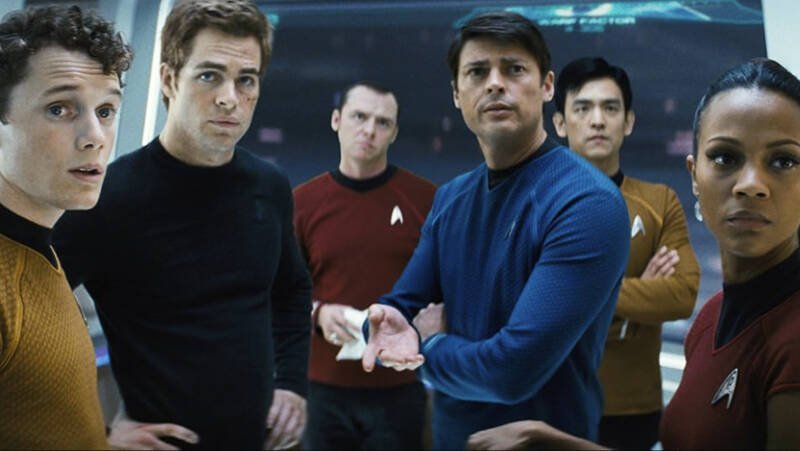
Seventeen years ago, in 2009, the landscape of Star Trek was uncertain. The franchise, while beloved, had struggled to maintain momentum. Then came J.J. Abrams' Star Trek, a film that not only revived the series but did so with a "ballsy" move that ultimately paid off in a big way: it created an alternate timeline.
Rebooting a well-established franchise like Star Trek is always a gamble. Fans have deep-seated expectations and attachments to the original characters, stories, and universe. A misstep can alienate the core audience and doom the project from the start. Paramount Pictures knew they needed something special, something that respected the past while forging a new path.
The pivotal moment came with the introduction of an alternate timeline. By having Nero, a Romulan miner, travel back in time and alter events, the filmmakers were able to create a parallel reality where familiar characters could be reimagined without completely erasing the original canon. This was a stroke of genius. It allowed new actors to step into the iconic roles of Kirk, Spock, and others, offering fresh interpretations while still paying homage to what came before.
Think about it: trying to recast iconic roles and simply continue the original timeline would have been incredibly difficult. Fans likely would have compared the new actors unfavorably to the originals. The alternate timeline provided a safety net, a narrative justification for change.
The success of the 2009 Star Trek reboot demonstrates the power of creative risk-taking. It shows that sometimes, to truly revitalize a franchise, you need to be willing to challenge expectations and introduce innovative concepts. This success has influenced how other franchises approach reboots and remakes, encouraging more daring storytelling choices. The film's financial success proved that audiences were receptive to a new take on a classic story, breathing new life into a property that some feared was fading.
In our opinion, the creation of the alternate timeline was the single most important factor in the reboot's success. It freed the filmmakers from the constraints of established canon and allowed them to explore new possibilities. While some purists initially objected to the changes, the vast majority of viewers embraced the fresh approach. Chris Pine and Zachary Quinto delivered compelling performances as Kirk and Spock, respectively, and the film's action-packed storyline kept audiences engaged from start to finish.
The film was also a visual marvel, bringing the Star Trek universe to life with stunning special effects. This was a crucial element in attracting a new generation of fans who might not have been familiar with the original series. The sleek and modern aesthetic of the Enterprise appealed to a wider audience, while the film's humor and heart resonated with both newcomers and longtime Trekkies.
The future of Star Trek remains bright, although subsequent films in the Kelvin timeline haven't achieved the same level of critical acclaim as the 2009 reboot. However, the franchise continues to thrive through various television series, including Star Trek: Discovery, Star Trek: Picard, and Star Trek: Strange New Worlds. These shows explore different corners of the Star Trek universe and offer diverse perspectives on its core themes of exploration, diplomacy, and hope. This could impact the future of how Star Trek stories are told in both movie and tv formats.
Paramount is still exploring further film opportunities within the Star Trek universe. Whether they continue with the Kelvin timeline or explore other avenues, the success of the 2009 reboot serves as a reminder of the power of bold storytelling and creative innovation. The alternate timeline proved that it's possible to honor the past while paving the way for a vibrant future. It will be interesting to see what direction Paramount takes the franchise in the coming years, but the legacy of the 2009 film will undoubtedly continue to shape the future of Star Trek.