Sports Betting Clash: States vs. Prediction Markets in the Basketball Boom
As basketball betting surges, states like New Hampshire are facing competition from prediction markets. Explore the implications and future of sports wagering.
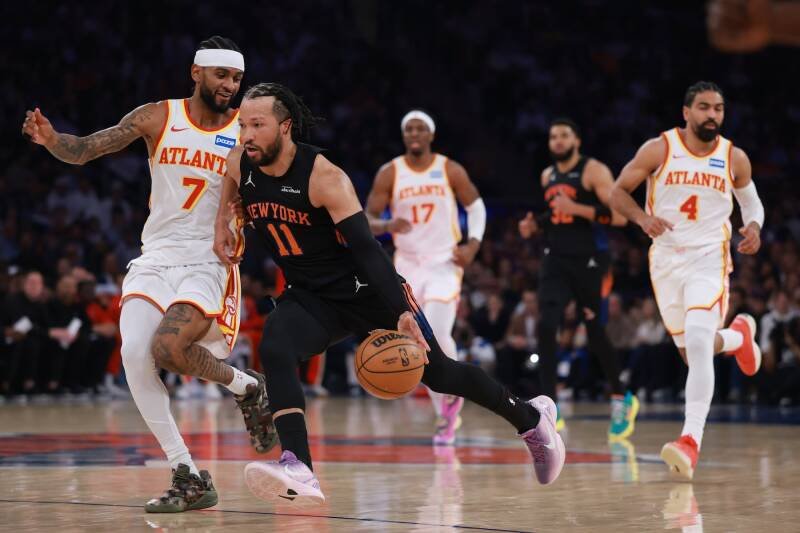
Basketball Betting Boom Sparks Turf War: States vs. Prediction Markets
The popularity of basketball betting is soaring, and that's created a bit of a power struggle. States that have legalized sports betting, like New Hampshire, are finding themselves in competition with a new breed of competitor: prediction markets. New Hampshire State Senator Tim Lang isn't thrilled about it.
The Rise of Prediction Markets
What are prediction markets? They're platforms where people can buy and sell contracts that pay out based on the outcome of future events – in this case, basketball games. Think of it as a stock market, but instead of companies, you're trading on the likelihood of a team winning or a player scoring.
These markets offer an alternative to traditional sportsbooks, often boasting different odds and potentially more nuanced insights, leveraging the "wisdom of the crowd."
New Hampshire's Stake in the Game
New Hampshire, like many other states, has invested heavily in establishing a regulated sports betting industry. This brings in tax revenue that can be used to fund important state programs. However, the rise of prediction markets threatens to siphon off some of that revenue.
States argue they need to protect consumers, ensure fair play, and combat illegal gambling. Prediction markets, in their view, often operate in a gray area, lacking the same level of regulation and oversight.
Why This News Matters
The battle between states and prediction markets has serious implications for the future of sports betting. It will determine:
* **How sports betting is regulated:** Will regulation become more standardized across states and even extend to prediction markets?
* **The level of competition in the market:** Will prediction markets be allowed to compete freely with traditional sportsbooks, or will they be restricted?
* **The amount of tax revenue generated by states:** If prediction markets gain significant market share, states could see a decline in betting-related tax revenue.
* **Consumer Protection:** Ensuring that bettors are protected from fraud and exploitation, regardless of the platform they choose.
Our Analysis
In our opinion, the growth of prediction markets highlights the increasing sophistication of sports bettors. People are looking for more than just simple win/loss wagers; they want to leverage data, insights, and collective intelligence to make informed decisions.
The states' concern about lost revenue is understandable. However, outright banning or restricting prediction markets may not be the best approach. This could stifle innovation and drive consumers to offshore, unregulated platforms.
A better approach might be to explore ways to regulate prediction markets in a way that ensures consumer protection and fair play, while also allowing them to compete with traditional sportsbooks. This could involve licensing, taxation, and the implementation of safeguards against market manipulation.
It's clear that a balance needs to be struck between protecting state interests and fostering a competitive, innovative sports betting ecosystem.
Future Outlook
The legal landscape surrounding prediction markets is likely to evolve significantly in the coming years. We expect to see:
* **Increased scrutiny from regulators:** States will likely take a closer look at prediction markets and their operations.
* **Potential legal challenges:** The legality of prediction markets may be challenged in court, leading to greater clarity on their legal status.
* **Legislative action:** States may pass laws specifically addressing prediction markets, either to regulate them or to restrict their operation.
* **Consolidation in the industry:** As the market matures, we may see consolidation among prediction market platforms.
* **Technological advancements:** Prediction markets could integrate more advanced data analytics and artificial intelligence to provide users with even more sophisticated insights.
This situation could impact smaller states that are more reliant on gambling revenues for their budgets. They will need to be strategic in navigating this changing landscape.
Ultimately, the future of sports betting will depend on how states and prediction markets can coexist. The key will be finding a way to balance innovation with regulation, ensuring a fair and safe environment for all.