Songhees Walkway Art Removal: What It Means for Victoria
The removal of the Fan-Ta-Sea Isle folk art installation on the Songhees Walkway in Victoria sparks debate. We analyze its impact and future implications for public art.



The removal of the Fan-Ta-Sea Isle folk art installation on the Songhees Walkway in Victoria sparks debate. We analyze its impact and future implications for public art.
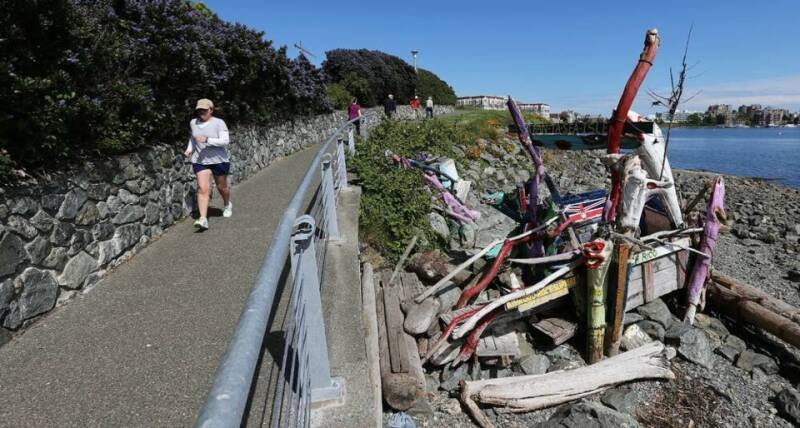
A long-standing piece of folk art, known as Fan-Ta-Sea Isle, on Victoria's Songhees Walkway has been removed by the city. This whimsical creation by artist Rich Rico had been a unique landmark for nearly two decades, located a short distance from Spinnaker’s Pub.
Fan-Ta-Sea Isle was more than just an art installation; it was a collection of found objects, creatively arranged to form a quirky and engaging scene. Over the years, it became a recognizable and often photographed feature of the waterfront trail.
The news reports the removal was performed by the city, although the exact reasons haven't been made completely clear. It raises questions about the city's policy regarding unsanctioned public art installations and their long-term maintenance.
This removal is important for several reasons:
In our opinion, the removal of Fan-Ta-Sea Isle represents a missed opportunity for dialogue. While the city may have had legitimate reasons for the removal (potentially related to safety, maintenance, or permits), a more transparent process involving community consultation could have been beneficial.
The line between "art" and "litter" can be blurry, and often depends on the eye of the beholder. This specific installation, lasting for two decades, clearly held value to many people. Simply removing it without explanation risks alienating residents who appreciated the unique character it brought to the Songhees Walkway.
Furthermore, this situation underscores the need for clearer guidelines regarding public art installations in Victoria. What are the rules? How can artists propose projects? How long can temporary installations remain? These are all questions that need to be addressed to avoid similar situations in the future.
This incident could impact future public art initiatives in Victoria. Here are some potential scenarios:
The removal of Fan-Ta-Sea Isle could also spark a renewed interest in supporting local artists and creating designated spaces for public art. Perhaps this will be a catalyst for a more robust and inclusive public art program in Victoria.
Ultimately, this situation underscores the importance of public spaces and how they are used and perceived by the community. Public art, in all its forms, contributes to the vibrancy and character of a city. It is crucial that these spaces are managed in a way that balances the needs of all stakeholders, including artists, residents, and the city government.
























