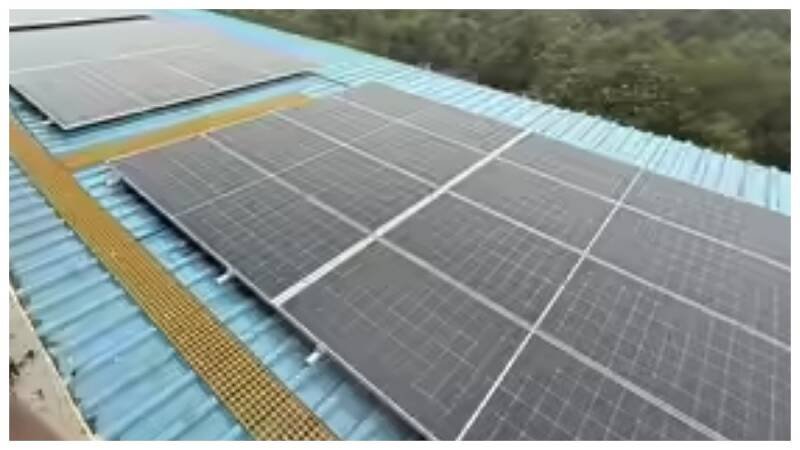
Solar Power Revolution: Dhar Resident Slashes Electricity Bill to ₹200 with Solar Panels
Learn how a resident of Dhar, MP, reduced his electricity bill to just ₹200 using solar panels and government subsidies. Discover the impact and future of solar energy in India.
Solar Power Revolution: Dhar Resident Slashes Electricity Bill to ₹200 with Solar Panels
Imagine paying just ₹200 for your electricity bill. For one resident of Dhar, Madhya Pradesh, this is now a reality, thanks to solar power and a smart government initiative. This isn't just a feel-good story; it's a powerful example of how renewable energy can transform lives and save money.
From High Bills to Huge Savings
The resident, Mr. Gaikwad, installed solar panels on his home and is now experiencing significant savings. He now saves approximately ₹30,000 to ₹35,000 annually on electricity costs. What was once a dreaded expense is now a source of financial relief, allowing him to invest in his family's future and cover household expenses.
But how did he do it? The key was a government subsidy of ₹78,000, which significantly reduced the initial investment cost of the solar panel system.
Why This News Matters
This story highlights the potential of solar energy to address several pressing issues in India:
- Financial Relief for Households: High electricity bills can be a significant burden, especially for lower-income families. Solar power offers a way to reduce these costs and improve financial stability.
- Energy Independence: By generating their own electricity, households become less reliant on traditional power grids, reducing their vulnerability to power cuts and price fluctuations.
- Environmental Sustainability: Solar energy is a clean and renewable source of power, helping to reduce carbon emissions and combat climate change.
- Economic Growth: The solar industry creates jobs and stimulates economic activity, from manufacturing and installation to maintenance and research.
Our Analysis
This case study demonstrates the effectiveness of government subsidies in promoting the adoption of renewable energy. The ₹78,000 subsidy made solar power accessible to Mr. Gaikwad, and his annual savings clearly justify the investment. In our opinion, similar initiatives should be expanded and promoted across the country to maximize their impact.
Furthermore, the elimination of "the fear of power cuts and unpaid bills" is a significant benefit that often goes unquantified. This peace of mind contributes to overall well-being and allows individuals to focus on other aspects of their lives.
Future Outlook
The future of solar energy in India looks bright. With increasing awareness, decreasing costs, and supportive government policies, we expect to see a continued increase in the adoption of solar power across the country. This could impact the traditional energy sector, possibly leading to a transition toward more renewable sources.
Here are some key trends to watch:
- Technological advancements: Expect to see more efficient and affordable solar panels in the future.
- Increased government support: Continued subsidies and favorable regulations will play a crucial role in driving adoption.
- Community solar projects: These projects allow multiple households to benefit from a single solar installation, making solar power accessible to those who cannot install panels on their own roofs.
- Energy storage solutions: Batteries that store solar energy will become increasingly important for providing reliable power even when the sun isn't shining.
This story from Dhar is not just an isolated incident. It's a glimpse into a future where clean, affordable energy is accessible to all. The transition to solar power is not just an environmental imperative; it's an economic opportunity and a pathway to a more sustainable and equitable future.