Saudi Arabia Oil Pipeline Restored: What It Means for Global Energy Markets
Saudi Arabia has restored full capacity on its East-West oil pipeline. Learn why this matters for global energy markets, future outlook, and expert analysis.
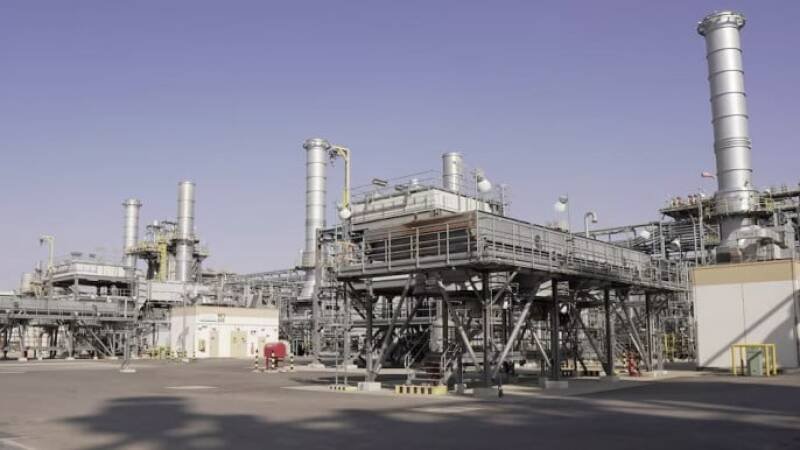



Saudi Arabia has restored full capacity on its East-West oil pipeline. Learn why this matters for global energy markets, future outlook, and expert analysis.
Saudi Arabia's Ministry of Energy has announced the complete restoration of the East-West oil pipeline to its full operational capacity of 7 million barrels per day (bpd). This pipeline, crucial for transporting Saudi oil from the eastern producing regions to the western ports for export, had been affected by attacks during previous regional conflicts. The announcement signifies a return to normalcy and reinforces Saudi Arabia's commitment to maintaining its role as a reliable oil supplier.
The East-West pipeline, also known as Petroline, is a vital piece of infrastructure for Saudi Arabia's oil industry. It spans across the country, providing an alternative route for crude oil to reach export terminals on the Red Sea. This is especially important as it bypasses the Strait of Hormuz, a narrow waterway that has been a chokepoint for global oil shipments and prone to geopolitical tensions.
The pipeline’s capacity allows Saudi Arabia to diversify its export routes, enhancing its energy security and reducing its reliance on a single vulnerable pathway.
The restoration of the pipeline's full capacity has several important implications:
In our opinion, the restoration of the East-West pipeline is a significant positive development for the global energy market. The attacks that previously affected the pipeline raised concerns about Saudi Arabia's ability to maintain its oil production and export levels. The successful restoration demonstrates resilience and the effectiveness of security measures in place to protect critical infrastructure.
This could impact global oil prices by alleviating fears of supply shortages. The increased capacity provides Saudi Arabia with greater flexibility in managing its oil exports, potentially allowing them to respond more effectively to fluctuations in demand.
Furthermore, this move could strengthen Saudi Arabia’s position within OPEC and its influence on global oil policy. By ensuring the reliability of its supply, Saudi Arabia reinforces its standing as a leading voice in the organization.
Looking ahead, the stability of the East-West pipeline will remain a crucial factor in ensuring global energy security. Ongoing monitoring and security measures will be essential to protect against future attacks or disruptions. We anticipate that Saudi Arabia will continue to invest in upgrading and maintaining its oil infrastructure to enhance its reliability and capacity.
In the longer term, the role of the East-West pipeline may evolve as the world transitions to cleaner energy sources. While oil demand is expected to remain significant for the foreseeable future, Saudi Arabia is also investing in renewable energy projects. The pipeline might eventually be repurposed or integrated into a broader energy transportation network that includes both fossil fuels and renewable energy sources, supporting the country's long-term energy strategy.
Ultimately, the restoration of the pipeline's full capacity is a testament to Saudi Arabia's commitment to its role as a major player in the global energy market. Its ability to maintain this infrastructure and its dedication to energy security will continue to be vital for the stability of the global economy.
























