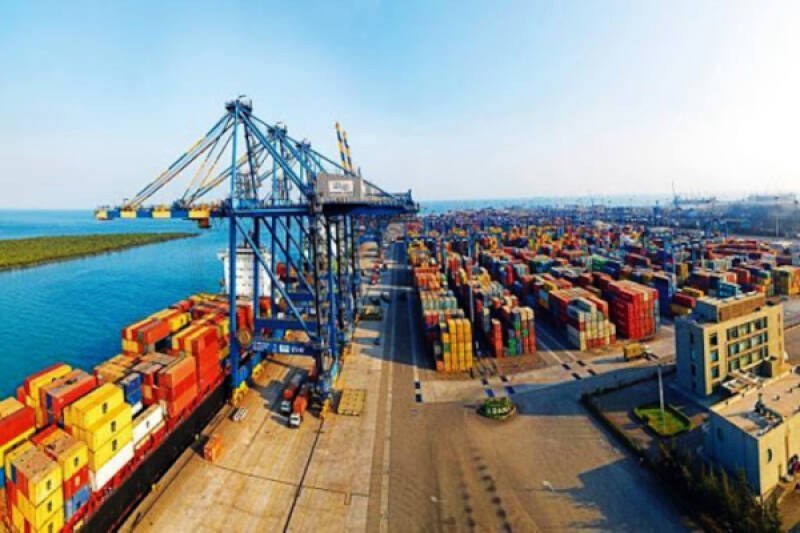
Sagarmala Program: Transforming India's Maritime Future
Explore how India's Sagarmala program is modernizing ports, boosting trade, and impacting coastal communities. Our analysis of this vital infrastructure project.
Sagarmala Programme Drives Major Expansion in India’s Maritime Infrastructure
India's Sagarmala Programme, launched in March 2015, is a comprehensive initiative designed to revolutionize the country's maritime sector. It aims to modernize ports, improve connectivity, foster port-led industrialization, support coastal communities, and expand the use of coastal shipping and inland waterways.
With India boasting a vast 11,099-kilometer coastline and nearly 14,500 kilometers of potentially navigable waterways, the maritime sector is undeniably crucial for national trade. It currently handles about 95% of trade by volume and approximately 70% by value. Sagarmala seeks to unlock even greater potential.
Key Objectives of the Sagarmala Programme
The Sagarmala Programme focuses on several key areas:
- Port Modernization: Upgrading existing ports with advanced technology and infrastructure to increase efficiency and capacity.
- Port Connectivity: Improving road, rail, and waterway links to ensure seamless movement of goods to and from ports.
- Port-Led Industrialization: Developing industrial clusters near ports to boost manufacturing and create jobs.
- Coastal Community Development: Supporting the livelihoods of coastal communities through skill development and infrastructure projects.
- Inland Waterways Development: Promoting the use of rivers and canals for transportation to reduce reliance on road and rail.
Why This News Matters
The Sagarmala Programme is more than just an infrastructure project; it's a strategic initiative that has the potential to significantly boost India's economic growth. By modernizing ports and improving connectivity, the program can reduce logistics costs, increase trade competitiveness, and create new opportunities for businesses and individuals. The success of Sagarmala directly influences India's ability to compete on a global scale.
Our Analysis
In our opinion, the Sagarmala Programme is a well-conceived initiative that addresses critical infrastructure gaps in India's maritime sector. The program's focus on port-led industrialization is particularly promising, as it has the potential to create a virtuous cycle of economic growth and job creation.
However, successful implementation requires careful planning, coordination, and execution. Challenges such as land acquisition, environmental clearances, and funding constraints need to be addressed effectively. In our opinion, community engagement is vital to ensure that development benefits all stakeholders. This could impact the timeline of current and future projects.
Potential Challenges
Despite its potential, the Sagarmala Programme faces certain hurdles:
- Land Acquisition: Securing land for port expansion and industrial development can be challenging.
- Environmental Concerns: Protecting the coastal environment is crucial, and environmental clearances can be time-consuming.
- Funding: Mobilizing sufficient funds for large-scale infrastructure projects requires innovative financing mechanisms.
- Coordination: Effective coordination among various government agencies and stakeholders is essential for successful implementation.
Future Outlook
The future of the Sagarmala Programme looks promising. With continued government support and private sector participation, the program is expected to achieve its objectives and transform India's maritime sector. This transformation will lead to increased trade, reduced logistics costs, and improved livelihoods for coastal communities. In our opinion, ongoing monitoring and evaluation are essential to ensure that the program stays on track and delivers its intended benefits.
Expected Outcomes
Here are some of the expected outcomes of the Sagarmala Programme:
- Increased port capacity and efficiency.
- Reduced logistics costs.
- Enhanced trade competitiveness.
- Job creation in coastal areas.
- Sustainable development of coastal communities.
- Greater utilization of inland waterways.
Ultimately, the Sagarmala Programme has the potential to unlock India's maritime potential and propel the nation towards becoming a global economic powerhouse.