Rwanda's Remarkable Recovery: From Genocide to Growth
Explore Rwanda's inspiring journey from the horrors of the 1994 genocide to becoming a model of economic development and stability in Africa. Understand the key strategies and challenges faced in this remarkable transformation.
Rwanda's Remarkable Recovery: From Genocide to Growth
Rwanda, a small East African nation, has achieved something truly extraordinary. Just three decades ago, the country was devastated by the Rwandan Genocide, a horrific event that claimed the lives of hundreds of thousands. Today, Rwanda is a beacon of stability and economic progress in Africa. This transformation is a testament to the resilience of the Rwandan people and the determined leadership that has guided the country's recovery.
The Scars of the Past
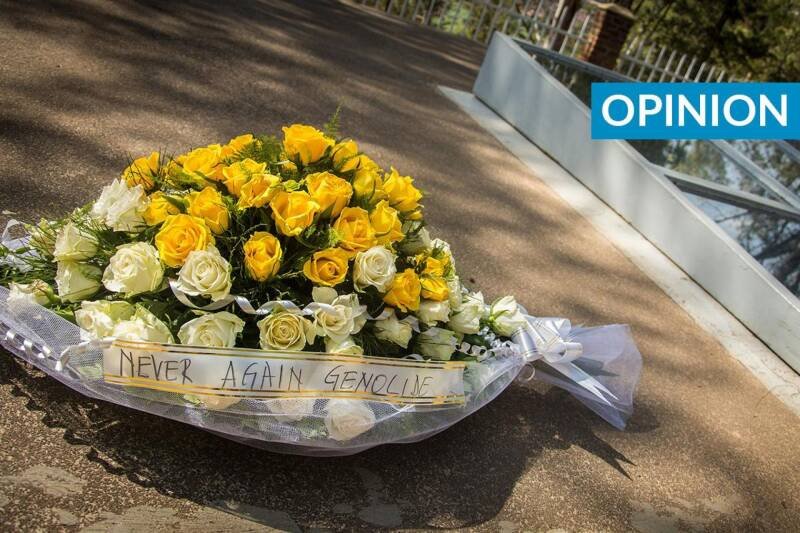
The 1994 Genocide against the Tutsi was a period of unimaginable brutality. In just 100 days, extremist Hutus systematically murdered an estimated 800,000 people, primarily Tutsis, but also moderate Hutus. The international community largely stood by, failing to intervene effectively. The genocide left deep wounds on Rwandan society, tearing apart families and communities, and leaving a legacy of trauma and mistrust.
A Nation Rebuilt: Key Strategies
Rwanda's journey to recovery has been driven by a combination of factors, including strong leadership, a focus on national unity, and a commitment to economic development. President Paul Kagame, who has led the country since 2000, has been a central figure in this process.
- National Unity and Reconciliation: A key priority has been fostering national unity and reconciliation between Hutus and Tutsis. The government has implemented policies aimed at promoting a shared national identity and addressing the root causes of ethnic division.
- Economic Development: Rwanda has pursued ambitious economic reforms, focusing on diversifying the economy, attracting foreign investment, and improving infrastructure. The country has made significant strides in reducing poverty and improving living standards.
- Good Governance and Anti-Corruption: Rwanda has earned a reputation for good governance and a strong stance against corruption. This has helped to build investor confidence and attract international support.
- Investing in Education and Healthcare: Rwanda has prioritized investments in education and healthcare, recognizing that these are essential for long-term development.
Why This News Matters
Rwanda's story is important because it demonstrates that even after unimaginable tragedy, recovery and progress are possible. It offers valuable lessons for other countries facing conflict or instability, highlighting the importance of strong leadership, national unity, and a commitment to development. Furthermore, Rwanda's success challenges negative stereotypes about Africa and showcases the continent's potential for growth and prosperity.
Our Analysis
In our opinion, Rwanda's transformation is truly remarkable. The country has overcome immense challenges to achieve significant progress in a relatively short period. President Kagame's leadership has been instrumental in this process, providing stability and direction. However, there are also concerns about human rights and political freedom in Rwanda. Critics argue that the government's focus on control and stability has come at the expense of democratic values.
The long-term sustainability of Rwanda's success will depend on addressing these concerns and ensuring that all Rwandans have the opportunity to participate in the political and economic life of the country. While the government has made great strides, it needs to continue to foster inclusivity and accountability.
Challenges Remain
Despite its progress, Rwanda still faces significant challenges. Poverty remains a concern, particularly in rural areas. The country is also heavily reliant on foreign aid. Furthermore, the legacy of the genocide continues to affect Rwandan society, with many people still struggling with trauma and loss.
Future Outlook
The future of Rwanda is promising, but it is also uncertain. The country is well-positioned to continue its economic growth, but it needs to address the challenges of poverty, inequality, and political freedom. In our opinion, promoting greater inclusivity and accountability will be crucial for ensuring long-term stability and prosperity.
This could impact neighboring countries, offering a model for development and stability, but also potentially creating tensions if Rwanda's approach is perceived as authoritarian. Ultimately, Rwanda's success will depend on its ability to build a more just and equitable society for all its citizens.