Robot Dog Security in Atlanta: Innovation or Invasion?
Atlanta deploys robot dog security in parking lots, sparking debate about innovation, privacy, and the future of policing. Get our analysis and outlook.
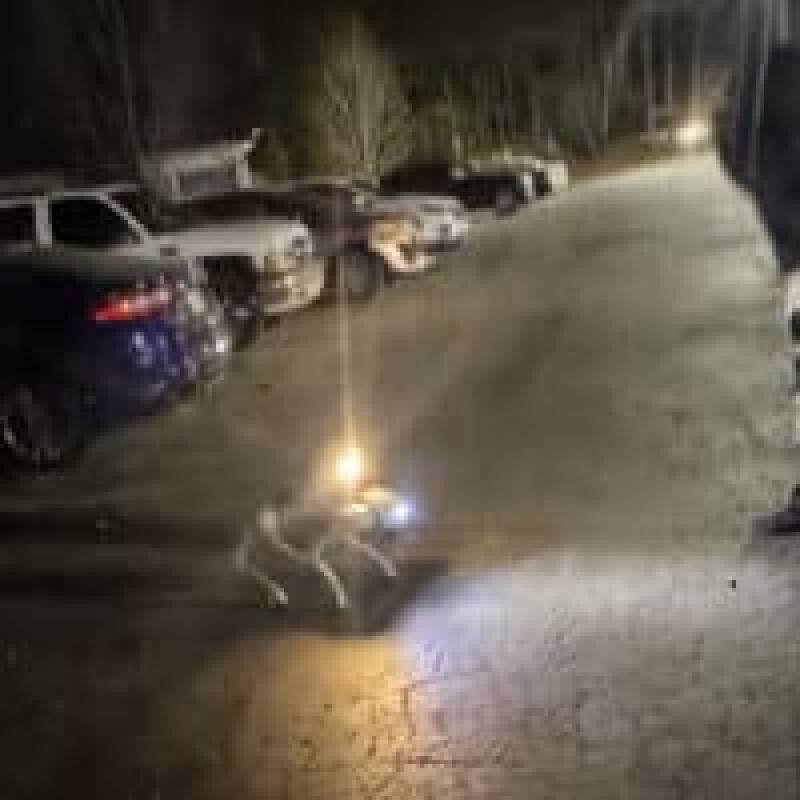



Atlanta deploys robot dog security in parking lots, sparking debate about innovation, privacy, and the future of policing. Get our analysis and outlook.
Atlanta is taking a bold step into the future of security with the deployment of robot dogs in parking lots. These four-legged machines, equipped with cameras and sensors, are designed to patrol, deter crime, and even contact law enforcement when they detect suspicious activity. While some are hailing this as a groundbreaking innovation, others are raising serious concerns about privacy and the potential for over-surveillance.
The Atlanta Police Department (APD) has begun using robot dog units, likely SPOT from Boston Dynamics or similar models, for public safety and surveillance duties. These robots are being strategically placed in areas prone to crime, particularly parking lots, to act as a visible deterrent and a rapid responder to incidents.
The robots are programmed to patrol designated areas, record video footage, and detect unusual sounds or movements. If they identify a potential crime, they can alert human officers, providing real-time information and potentially capturing valuable evidence.
This deployment in Atlanta is a significant development for several reasons:
In our opinion, the introduction of robot dogs is a double-edged sword. On one hand, the potential for increased security and faster response times is undeniable. These robots can operate in environments that are dangerous or inaccessible to human officers, providing a valuable tool for crime prevention.
However, the privacy implications are significant. The cameras and sensors on these robots can collect vast amounts of data, raising questions about how that data is stored, used, and protected. There's also the risk of algorithmic bias, where the robots are programmed to disproportionately target certain communities or individuals.
It’s also vital to consider the potential impact on community relations. Will the presence of robot dogs create a sense of unease or distrust, particularly in communities that already have strained relationships with law enforcement? These robots could dehumanize policing, increasing detachment between officers and the public.
Ultimately, the success of robot dog security will depend on how it's implemented and managed. Transparency, accountability, and community engagement are essential to ensure that these technologies are used responsibly and ethically. Setting clear guidelines for data collection, usage, and retention are critical. Moreover, ensuring regular software updates and third-party auditing to mitigate potential biases is essential.
We expect to see continued experimentation with robot security systems in the years to come. As technology advances, robots will become more sophisticated and capable, potentially taking on a wider range of tasks. This could impact industries beyond law enforcement.
However, the long-term success of these technologies will depend on addressing the ethical and societal concerns they raise. Without careful planning and oversight, the deployment of robot security systems could lead to unintended consequences, including erosion of privacy, increased social inequality, and damaged community relations.
This could impact the public’s perception of law enforcement, especially if issues of transparency and accountability are not sufficiently addressed. Strong regulatory oversight will be crucial to ensure that these technologies are used in a manner that is consistent with democratic values and human rights.
























