Retractable Studded Tires: A Game Changer for Winter Driving?
Learn about the world's first retractable studded tires, a revolutionary technology that could transform winter driving safety and convenience. We analyze the implications, future outlook, and why this matters.
The Future is Now: Retractable Studded Tires Emerge
Imagine a world where you never have to worry about switching between winter and summer tires. A world where the grip of studded tires is available only when you need it, and disappears when it's not. That future might be closer than you think, thanks to the development of the world's first retractable studded tires.
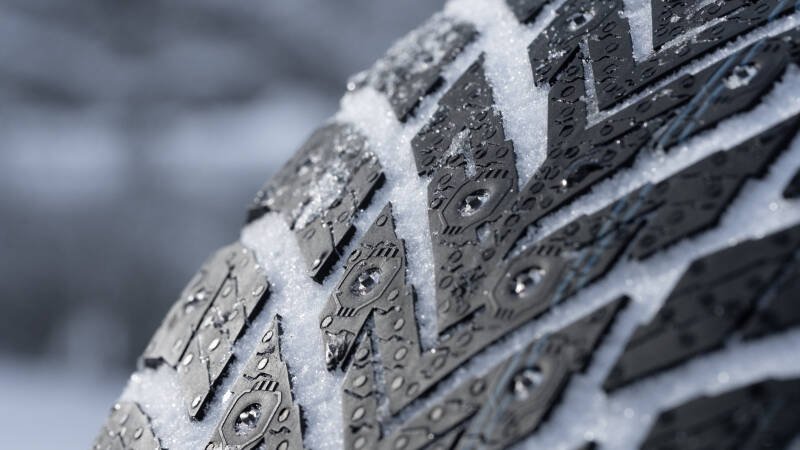
These tires, resembling something straight out of a James Bond movie, are designed to offer the best of both worlds: the enhanced traction of studded tires on ice and snow, and the smooth, quiet ride of regular tires on dry pavement. The secret? Mechanically controlled studs that can be extended or retracted as needed, potentially at the touch of a button.
How Do Retractable Studded Tires Work?
While the exact mechanics may vary depending on the manufacturer, the core concept involves a system of actuators and mechanisms embedded within the tire carcass. These mechanisms allow the driver (or potentially an automated system) to deploy the studs outward for icy conditions, and then retract them flush with the tire surface when the road clears. This could dramatically improve safety and convenience for drivers in regions with unpredictable winter weather.
Why This News Matters
This technology has the potential to revolutionize winter driving. Currently, drivers in many regions are forced to choose between the safety benefits of studded tires and the drawbacks of their use on dry pavement, such as increased road wear and noise pollution. Retractable studded tires offer a solution that could eliminate these trade-offs. Imagine the convenience of not having to schedule tire changes twice a year! It also reduces the potential for accidents caused by using non-studded tires in icy conditions.
Furthermore, this technology could lead to significant cost savings for consumers. By eliminating the need for two sets of tires, drivers can reduce their expenses on tire purchases, storage, and installation. It's a win-win for safety and your wallet.
Our Analysis
In our opinion, the introduction of retractable studded tires is a significant leap forward in tire technology. The ability to dynamically adjust tire grip based on road conditions has the potential to drastically improve safety during the winter months. However, the success of this technology will depend on several factors, including:
- Reliability: The retraction mechanism must be robust and reliable in harsh winter conditions.
- Cost: The initial cost of retractable studded tires will likely be higher than traditional tires. Affordability will be key for mass adoption.
- Regulatory compliance: Clear guidelines and regulations will be needed to address the use of these tires in different regions.
This could impact local tire shops, potentially reducing the need for seasonal tire changes, but also creating new maintenance opportunities specific to this advanced technology. The impact on road infrastructure, by reducing the wear associated with traditional studded tires, is another factor to consider.
Future Outlook
While retractable studded tires are still in their early stages of development, the future looks promising. As the technology matures and production costs decrease, we can expect to see wider adoption of these tires in the coming years. Advancements in sensor technology and automated driving systems could further enhance the functionality of retractable studded tires, allowing them to automatically adjust to changing road conditions in real-time.
We also foresee potential collaborations between tire manufacturers and automotive companies to integrate retractable studded tire technology into vehicle design. This could lead to even more sophisticated systems that optimize vehicle performance and safety in all weather conditions. This could make winter driving safer and more convenient for everyone, reducing accidents and increasing driver confidence. More testing and refinement will be needed to ensure long-term reliability and performance of the mechanism, but the potential is enormous.