Remembering the Phillies 1999 Home Opener Brawl: A Look Back and Its Impact
Relive the chaotic 1999 Phillies home opener brawl at the Vet. Explore the causes, consequences, and lasting impact on fan behavior and stadium security.
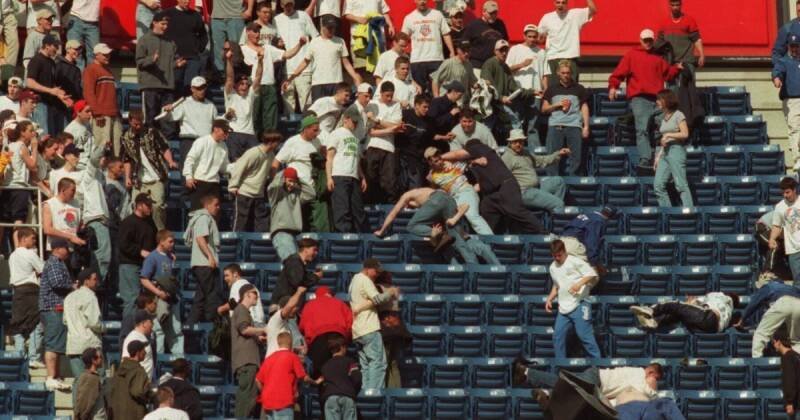



Relive the chaotic 1999 Phillies home opener brawl at the Vet. Explore the causes, consequences, and lasting impact on fan behavior and stadium security.
The Phillies' 1999 home opener wasn't just a baseball game; it was a moment etched in Philadelphia sports infamy. A massive brawl erupted in the notorious 700 Level of Veterans Stadium, turning what should have been a celebratory occasion into what some have described as "something out of the Wild West." Years later, the video of that chaotic scene still resurfaces, reminding us of a darker side of fandom.
While the exact trigger for the brawl remains somewhat murky, several factors likely contributed to the volatile atmosphere. Alcohol consumption was rampant in the 700 Level, known for its rowdy and passionate fans. Combine that with the pent-up excitement of a new season, the tension of a close game, and perhaps even pre-existing rivalries among fans, and you had a recipe for disaster.
The 700 Level at the Vet was legendary - or infamous - depending on your perspective. It was the highest seating tier, often attracting a more boisterous crowd. Sightlines were poor, beer flowed freely, and security was often stretched thin. These conditions, in our opinion, created an environment where altercations were almost inevitable.
This event is more than just a historical anecdote. The 1999 Phillies brawl forced a reckoning with the problem of fan violence in sports. It highlighted the need for better security measures, responsible alcohol management, and a shift in fan culture. It serves as a reminder that passion for a team should never translate into violence and disrespect.
In the immediate aftermath of the brawl, Veterans Stadium officials faced intense scrutiny. Questions were raised about security protocols, alcohol sales policies, and the overall environment in the 700 Level. While specific changes implemented immediately after the incident are difficult to pinpoint, the event undoubtedly contributed to a broader conversation about fan behavior and stadium safety nationwide.
Looking back, it's clear that a confluence of factors led to the 1999 Phillies brawl. Poor sightlines, abundant alcohol, and inadequate security combined with the natural competitiveness of sports fandom to create a volatile atmosphere. In our opinion, the incident underscores the importance of proactive measures to prevent such events, rather than simply reacting after they occur.
The media coverage also played a role, both in magnifying the incident and in shaping public perception. While sensationalizing the event might have drawn more viewers, it also risked normalizing violence and potentially inspiring copycat behavior. This, in our opinion, is a recurring challenge in sports journalism - balancing the need to report the news with the responsibility to promote positive fan behavior.
While stadium security has undoubtedly improved since 1999, the risk of fan violence remains a concern. Responsible alcohol service, increased security presence, and clear codes of conduct are all essential for creating a safe and enjoyable environment for everyone. It is important to remember that the Vet is gone, but incidents still happen. Just because we have moved on doesn't mean the lessons shouldn't be remembered.
This could impact how stadiums operate moving forward. Constant evaluation of security measures, leveraging technology like surveillance cameras and data analytics, and ongoing education for stadium staff are all crucial for preventing future incidents. Furthermore, fostering a culture of respect and sportsmanship among fans is essential for ensuring that sporting events remain a positive experience for all.
Ultimately, the 1999 Phillies brawl serves as a cautionary tale. It reminds us that the passion of sports fandom can sometimes cross the line, and that vigilance and proactive measures are necessary to ensure the safety and well-being of everyone who attends a game.