Refill Stores: A Growing Trend in Reducing Waste and Promoting Sustainability
Explore the rise of refill stores and their impact on reducing waste. Understand why this trend matters, our analysis of its effectiveness, and the future outlook for sustainable consumerism.
Reduce Waste at Refill Stores: A Simple Act, a Big Impact
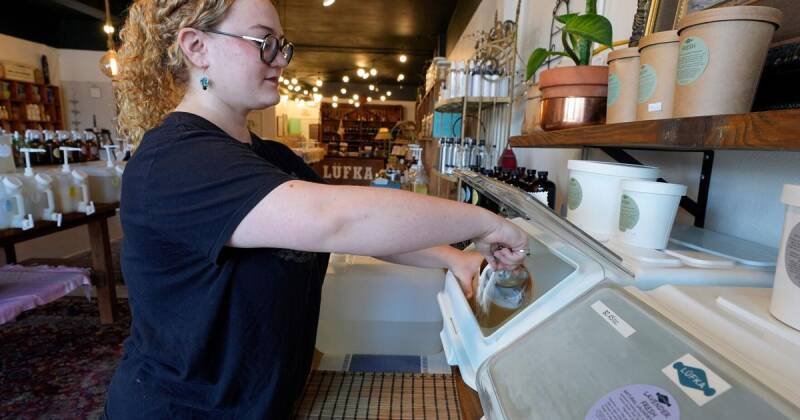
Refilling your empty bottles instead of tossing them in the trash is gaining traction. It's a simple, concrete action individuals can take against overwhelming environmental problems. Refill stores are popping up, offering a way to buy everyday items like soap, shampoo, and cleaning supplies in reusable containers.
What are Refill Stores?
Refill stores are retail establishments that focus on selling products in bulk, allowing customers to bring their own containers or purchase reusable ones from the store. Instead of buying a new plastic bottle of detergent every time you run out, you simply refill your existing one. This significantly reduces plastic waste and promotes a more circular economy.
Why This News Matters
The rise of refill stores is significant because it addresses a critical issue: our reliance on single-use plastics. Plastic pollution is a major environmental threat, contaminating our oceans, harming wildlife, and even affecting human health. Refill stores offer a tangible solution, empowering consumers to make conscious choices and reduce their environmental footprint. This model isn't just about individual action; it's about fostering a culture of sustainability and demanding change from manufacturers.
Our Analysis
In our opinion, the refill store model is a promising step in the right direction. It directly tackles the problem of plastic waste at the consumer level. However, it's important to consider the limitations. The success of refill stores depends on consumer adoption, which can be influenced by factors such as convenience, cost, and awareness.
While the initial cost of reusable containers might be higher, the long-term savings on products and the environmental benefits often outweigh the upfront investment. Moreover, the convenience of refilling is increasing as more refill stores become available and offer a wider range of products. The refill store model needs to overcome the hurdle of accessibility for consumers living in areas without access to such stores.
Also, the overall impact is greater if manufacturers embrace refill programs. For example, large brands could incentivize consumers to refill their product packaging through store partnerships. This change from manufacturers is required to truly move the needle on plastic waste and pollution.
Future Outlook
We believe the future of refill stores is bright, with potential for significant growth and innovation. Several factors support this optimistic outlook:
- Increased Consumer Awareness: Growing awareness of environmental issues is driving demand for sustainable products and services.
- Government Regulations: Policies aimed at reducing plastic waste, such as bans on single-use plastics, could further incentivize the adoption of refill programs.
- Technological Advancements: Innovative packaging solutions and streamlined refill systems can make the process even more convenient and efficient.
- Business Innovation: Expect to see new business models emerge, such as mobile refill services and subscription-based refill programs.
Challenges Ahead
Despite the positive outlook, challenges remain. Scaling the refill store model to reach a wider audience requires addressing logistical hurdles, such as supply chain management and distribution. Furthermore, ensuring the affordability of refill products is crucial to make them accessible to all consumers.
This could impact product packaging in a major way. Companies may need to start focusing on durability over fancy marketing aesthetics to facilitate the refill process.
The Bottom Line
Refill stores are more than just a trend; they represent a fundamental shift in consumer behavior towards greater sustainability. While challenges exist, the potential benefits of reducing plastic waste and promoting a circular economy are undeniable. By supporting refill stores and advocating for policies that encourage sustainable practices, we can collectively contribute to a healthier planet for future generations.