Reduce Your Cat's Carbon Footprint: Earth Day Tips for Eco-Conscious Cat Owners
Discover 5 practical ways to shrink your cat's carbon pawprint this Earth Day and beyond! Learn about sustainable cat food, eco-friendly litter, and more.



Discover 5 practical ways to shrink your cat's carbon pawprint this Earth Day and beyond! Learn about sustainable cat food, eco-friendly litter, and more.
Cats are beloved companions, known for their independence and charm. While they might seem like low-impact pets, their daily lives – from food to litter – contribute to their overall environmental footprint. This Earth Day, let's explore some simple yet effective ways to reduce your cat's "carbon pawprint" and embrace more sustainable cat ownership.
The food your cat eats has a significant environmental impact. Consider switching to cat food brands that prioritize sustainability. Look for:
In our opinion, small changes in diet can make a big impact, especially if more cat owners start demanding sustainably produced cat food. This could incentivize manufacturers to adopt greener practices.
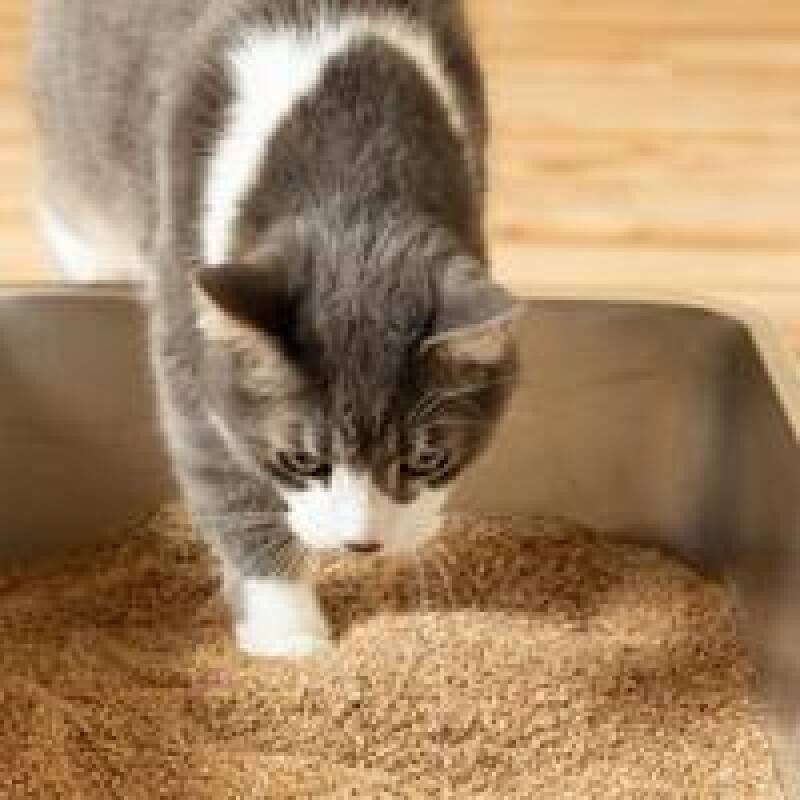
Traditional clay-based cat litter is often strip-mined and non-biodegradable, posing a significant environmental concern. Fortunately, there are numerous eco-friendly alternatives:
Switching to a sustainable cat litter option is a relatively easy way to reduce your cat's environmental impact and support companies committed to environmentally friendly practices.
Instead of constantly buying new toys, consider:
Donating gently used toys to animal shelters is also a great way to give them a second life. Reducing consumption and focusing on quality over quantity will minimize waste.
While not directly related to carbon emissions, spaying or neutering your cat is a crucial step in responsible pet ownership. It helps control the cat population, reducing the strain on resources and shelters. An overpopulation of cats can lead to the spread of disease, and increased demand on already limited resources.
Choosing to adopt a cat from a shelter or rescue organization is an incredibly sustainable choice. You're giving a deserving animal a loving home and reducing the demand for breeding, which can have negative environmental consequences. Shelters are full of amazing cats waiting for their forever homes.
The collective impact of millions of cats worldwide on the environment is significant. By making small, conscious choices, cat owners can collectively reduce this impact. Focusing on sustainable practices can help preserve the planet for future generations, including those of the feline persuasion.
The increasing availability of eco-friendly cat products signals a growing awareness of the environmental impact of pet ownership. Companies are responding to consumer demand by offering more sustainable options. The key now is for more cat owners to actively seek out and support these businesses, driving further innovation and accessibility.
We anticipate that sustainable pet care will continue to gain momentum. We believe that increased consumer awareness, coupled with advancements in sustainable materials and production methods, will lead to even more eco-friendly options becoming available. Government regulations and industry standards could also play a role in promoting sustainable practices within the pet industry. This could impact what products are available and reduce costs for sustainable options.