Raven Software Co-Founder Brian Raffel Retires: Legacy and Future of the Studio
Brian Raffel, co-founder of Raven Software, retires after 36 years. Explore his impact on gaming and what this means for the future of Call of Duty and the studio.
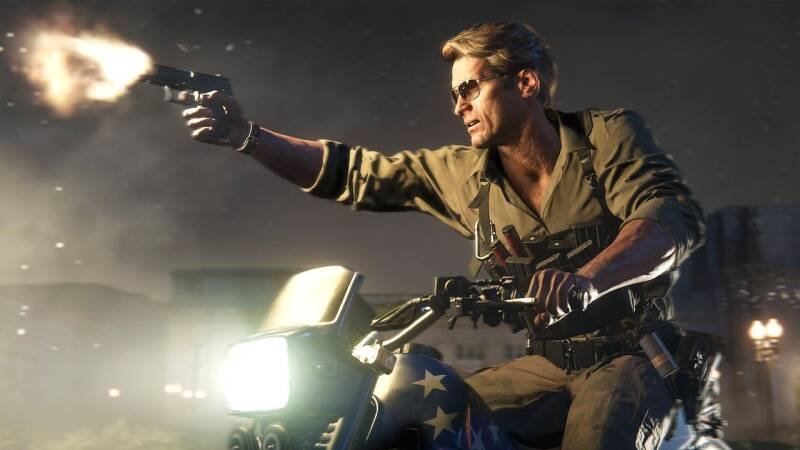



Brian Raffel, co-founder of Raven Software, retires after 36 years. Explore his impact on gaming and what this means for the future of Call of Duty and the studio.
Brian Raffel, a legend in the gaming world and co-founder of Raven Software, is retiring after an incredible 36-year career. He co-founded the studio with his brother Steve back in 1990. Since then, he's been instrumental in shaping Raven Software into the powerhouse it is today, leaving an indelible mark on the industry.
Before Raven became synonymous with Call of Duty, they were known for a diverse portfolio of games based on major pop culture franchises. Think back to classics like Heretic, Hexen, Star Wars Jedi Knight: Jedi Outcast, Star Trek: Voyager - Elite Force, and even Marvel properties. Raffel's leadership helped guide these projects to success, establishing Raven as a versatile and talented developer.
Raffel's journey at Raven Software involved working on titles that defined genres and captivated audiences. From fantasy RPGs to action-packed shooters, he was at the forefront of innovation. His dedication and vision contributed significantly to the success of each project.
In more recent years, Raven Software has been a key partner for Activision in the Call of Duty franchise. They've played a crucial role in developing various Call of Duty titles, contributing to the series' immense popularity and success. Raffel's leadership during this era helped ensure Raven's continued relevance in the ever-evolving gaming landscape.
Brian Raffel's retirement marks the end of an era for Raven Software and the gaming industry as a whole. His departure raises questions about the future direction of the studio, especially considering their close involvement with the Call of Duty franchise. The loss of such an experienced leader could impact the development process and the overall vision for upcoming projects.
It is important to recognise the wealth of knowledge and experience that is exiting the company. Raffel's mentorship to younger developers is something that will be missed.
In our opinion, Raffel's retirement is a significant loss for Raven Software. While the studio undoubtedly has talented individuals in place, his leadership and experience will be difficult to replace. We anticipate that Activision will need to carefully consider the studio's future direction and ensure a smooth transition period.
The impact on Call of Duty development remains to be seen. Raven Software's contributions have been crucial to the franchise's success, and a change in leadership could potentially affect the quality and innovation of future titles. However, Activision's resources and the talent within Raven may mean any negative effects will be mitigated.
Looking ahead, it will be interesting to see how Raven Software adapts to Raffel's departure. The studio has a strong foundation and a history of innovation, so we are optimistic about its future. However, the gaming industry is constantly evolving, and Raven will need to continue adapting to stay ahead of the curve.
Several potential scenarios could unfold:
Ultimately, the success of Raven Software will depend on its ability to adapt to change and continue delivering high-quality gaming experiences. We wish Brian Raffel all the best in his retirement and look forward to seeing what Raven Software accomplishes in the years to come. This could impact the gaming landscape for years to come, so this is something to look forward to.