Rabies Vaccination Drive Protects Pets in Kerr County: Why It Matters
Learn about the recent rabies vaccination drive in Kerr County, Texas, following confirmed rabies cases. Understand the importance of pet vaccinations, microchipping, and preventive care. Our analysis and future outlook.
Rabies Vaccination Drive Protects Pets in Kerr County: Why It Matters
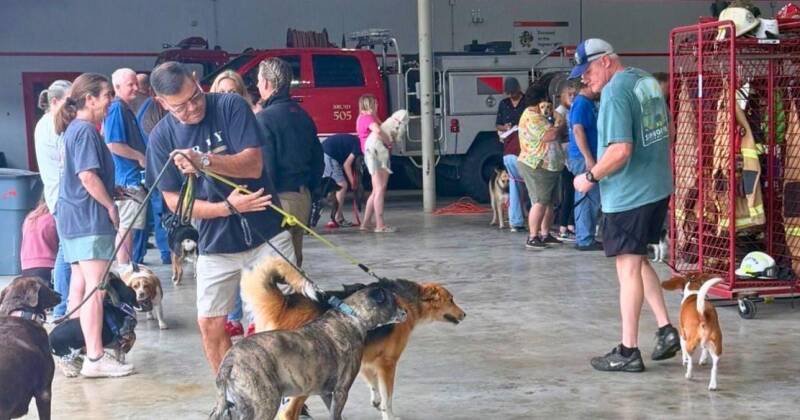
Following the confirmation of three rabies cases in Kerr County, Texas, local pet owners responded proactively by bringing their animals to county-sponsored rabies clinics on Saturday, April 11th. The clinics offered rabies vaccinations, microchipping services, and other essential preventive care for pets.
Responding to a Public Health Threat
The recent rabies cases triggered heightened concern among residents about the health and safety of their beloved pets. Rabies is a serious viral disease that affects the central nervous system and is almost always fatal if left untreated. It can be transmitted to humans through the bite or scratch of an infected animal, making proactive vaccination efforts crucial for both animal and human health.
These clinics play a vital role in preventing the spread of this dangerous disease within the community. By providing accessible and affordable vaccination options, Kerr County made it easier for pet owners to protect their animals and reduce the risk of rabies transmission.
What Services Were Offered?
- Rabies Vaccinations: The primary focus was administering rabies vaccines to dogs and cats, providing them with immunity against the virus.
- Microchipping: Microchipping is a simple procedure that involves implanting a small electronic chip under the pet's skin, containing a unique identification number. This helps reunite lost pets with their owners.
- Preventive Care Information: Clinic staff provided valuable information about other preventive care measures, such as parasite control and regular veterinary checkups, promoting overall pet health and well-being.
Why This News Matters
This event highlights the critical importance of regular pet vaccinations and preventive care. Rabies is a preventable disease, and vaccination is the most effective way to protect animals and humans from its devastating effects. Microchipping offers a lifeline for lost pets, ensuring their safe return home. The Kerr County initiative serves as a reminder of the responsibility we have to care for our animal companions and safeguard public health.
Our Analysis
In our opinion, Kerr County's swift response to the rabies outbreak is commendable. By organizing these clinics, they demonstrated a commitment to protecting their community's pets and residents. The inclusion of microchipping services is a welcome addition, as it greatly increases the chances of reuniting lost pets with their families. This proactive approach not only addresses the immediate threat but also promotes responsible pet ownership within the community.
It's important to note that the success of these clinics hinges on community participation. The willingness of pet owners to bring their animals for vaccination is crucial in achieving herd immunity and preventing further outbreaks. Continuous education and outreach efforts are also essential to ensure that all pet owners are aware of the risks of rabies and the importance of preventive care.
Future Outlook
Moving forward, it is likely that Kerr County will continue to monitor the situation closely and conduct similar vaccination drives if necessary. The success of this initiative could serve as a model for other communities facing similar public health challenges. This could impact neighboring counties, encouraging them to implement similar preventative measures. Continued investment in public health infrastructure and animal control services will be crucial in maintaining a rabies-free environment. Furthermore, ongoing public education campaigns will play a vital role in raising awareness about responsible pet ownership and the importance of regular vaccinations.
The long-term goal should be to achieve and maintain high vaccination rates among pet populations to prevent future outbreaks. This requires a collaborative effort between local government, veterinary professionals, and responsible pet owners. By working together, we can create a safer and healthier environment for both animals and humans.













![Karapadi Health Camp: A Lifeline After Months of Need | [Your Publication Name]](https://www.globalnewstoday.live/uploads/news/news_1777234516_Lb87XY.jpg)