Prisoners Find Purpose Through Tattoo Art: A Second Chance Behind Bars
Explore how inmates are using tattoo art as a form of rehabilitation and skill development, offering a path to a new life beyond prison walls. Learn about the challenges and opportunities this unique program presents.
Prisoners Find Purpose Through Tattoo Art: A Second Chance Behind Bars
Imagine turning prison time into an opportunity to learn a valuable skill, express creativity, and even honor loved ones. That's exactly what's happening in some correctional facilities, where inmates are finding purpose and a potential path to a new life through the art of tattooing.
The Art of Transformation
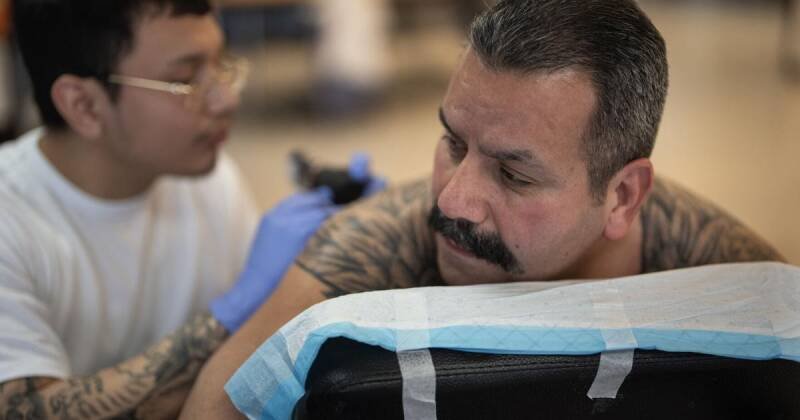
Daniel Gonzales, an inmate, meticulously pressed a tattoo needle against Israel Ray Gaitan's skin. He was creating an intricate Mayan calendar across Gaitan's back. This elaborate design was dedicated to Gaitan's mother, a project that had already consumed 30 hours of Gonzales' time. The depth of dedication is clear in this art.
This isn't just idle time being filled. For Gonzales and others, tattooing has become a way to channel energy, develop patience, and acquire a marketable skill. It represents a form of redemption and a potential ticket to a different future upon release.
Why This News Matters
This story highlights a crucial aspect of prison reform: rehabilitation. Instead of simply warehousing individuals, these programs aim to equip inmates with skills and a sense of purpose that can help them reintegrate into society successfully. This benefits not only the individuals involved but also the community as a whole, potentially reducing recidivism rates and creating safer environments.
The impact is profound. Learning a trade can significantly reduce the likelihood of re-offending. Giving inmates a way to be productive and creative fosters self-esteem and a sense of worth that is often absent in their lives.
Our Analysis
In our opinion, these types of initiatives are a crucial investment in the future. Traditional correctional methods often focus on punishment and containment, neglecting the underlying issues that contribute to criminal behavior. By offering opportunities for skill development and personal growth, programs like this address those root causes and create a more sustainable path to rehabilitation.
It’s important to acknowledge that this kind of initiative will have its challenges. Ensuring hygiene and safety standards are met, providing proper training, and navigating the complex legal and ethical considerations surrounding tattooing are all crucial. But the potential benefits far outweigh the risks.
It also begs the question - is tattoo artistry the right choice? We need to carefully consider the perception of offering such skills to prisoners. Will the public be receptive? Will it create more problems than solutions?
Future Outlook
The success of these programs hinges on several factors, including continued funding, community support, and the willingness of employers to hire individuals with a criminal record. This could impact the lives of many. It requires a shift in mindset from punishment to rehabilitation, and a recognition that everyone deserves a second chance.
We believe that expanding access to vocational training and educational opportunities within correctional facilities is essential. Investing in these programs now can lead to significant long-term savings by reducing recidivism and increasing the likelihood of successful reintegration. Further research is needed to determine the most effective approaches to rehabilitation, and to measure the long-term impact of programs like this on individuals and communities.
Challenges and Considerations
- Hygiene and Safety: Maintaining a sterile environment and providing proper training is paramount.
- Regulation and Oversight: Clear guidelines and monitoring are needed to prevent abuse and ensure ethical practices.
- Public Perception: Addressing concerns and promoting understanding is crucial for gaining community support.
- Post-Release Opportunities: Connecting graduates with employment resources and opportunities is essential for long-term success.
In conclusion, the story of prisoners turning time into tattoos highlights the transformative power of art and the importance of rehabilitation within the correctional system. It's a reminder that even behind bars, individuals can find purpose, develop skills, and chart a course towards a brighter future. This could have a ripple effect throughout communities.